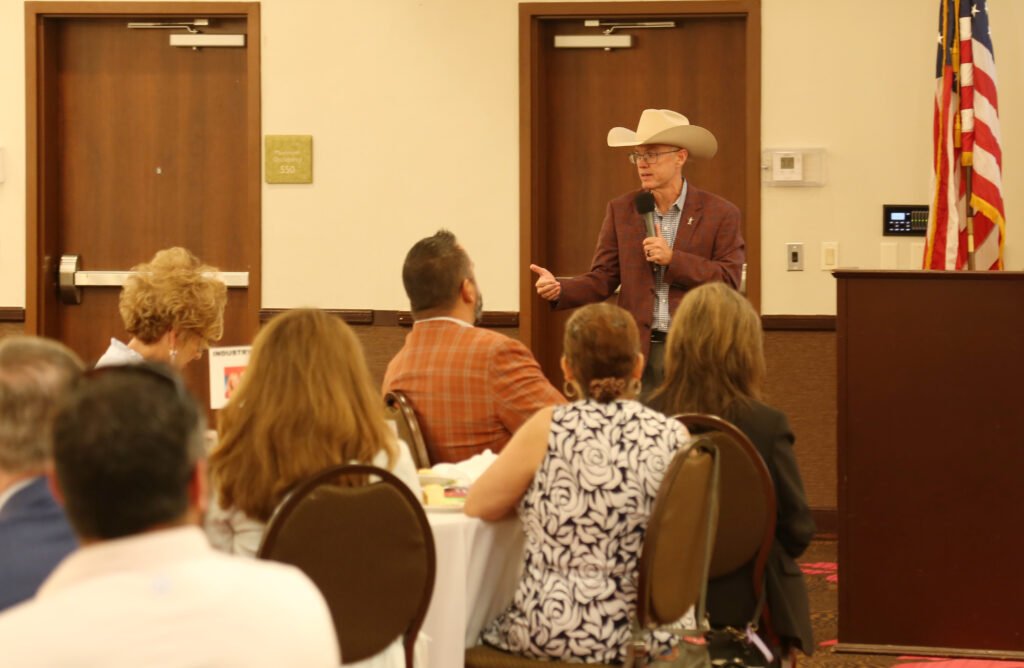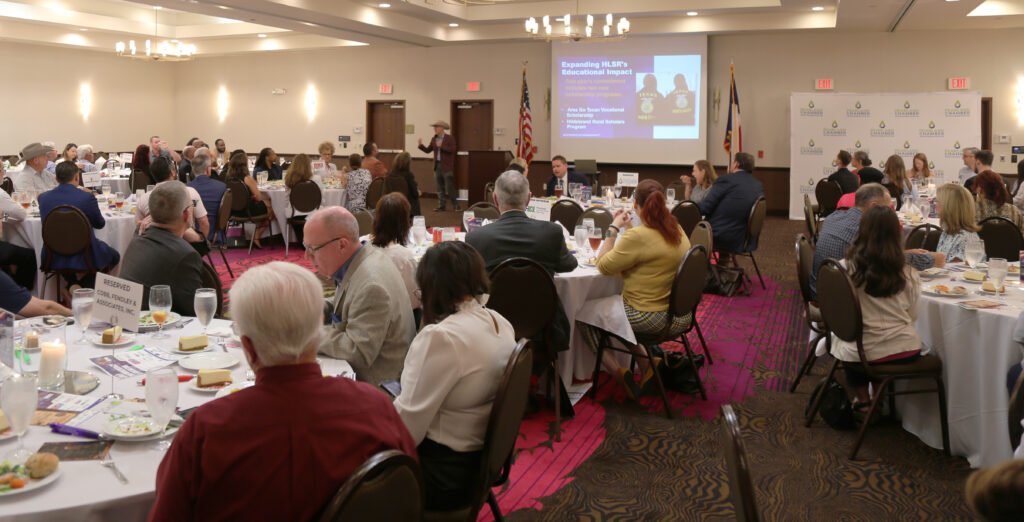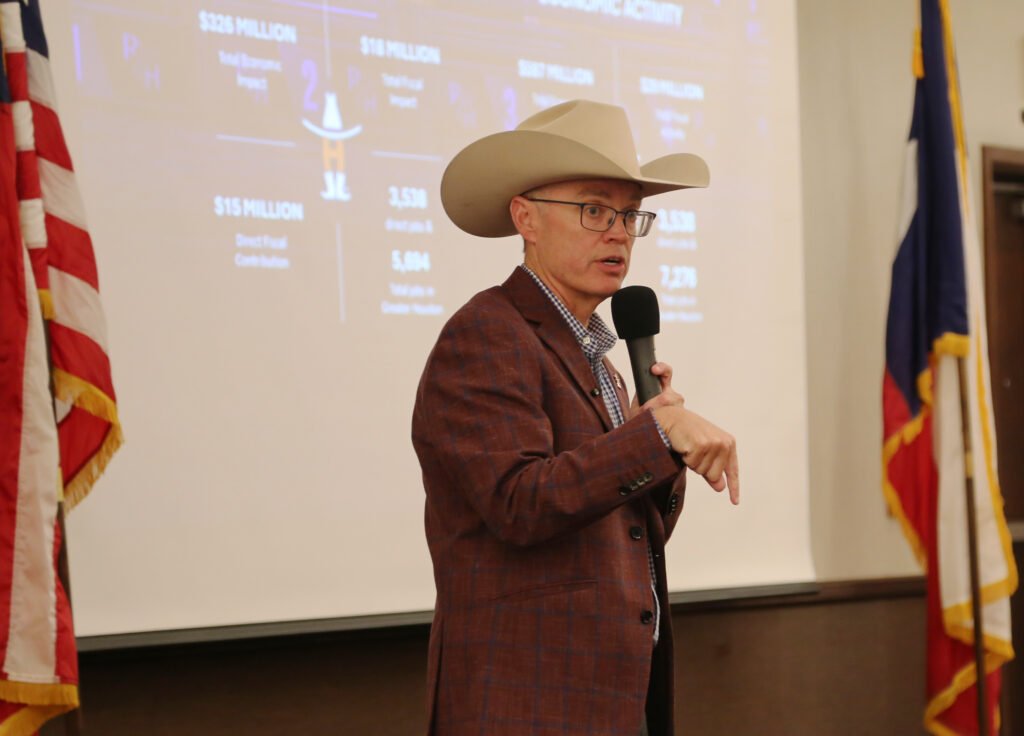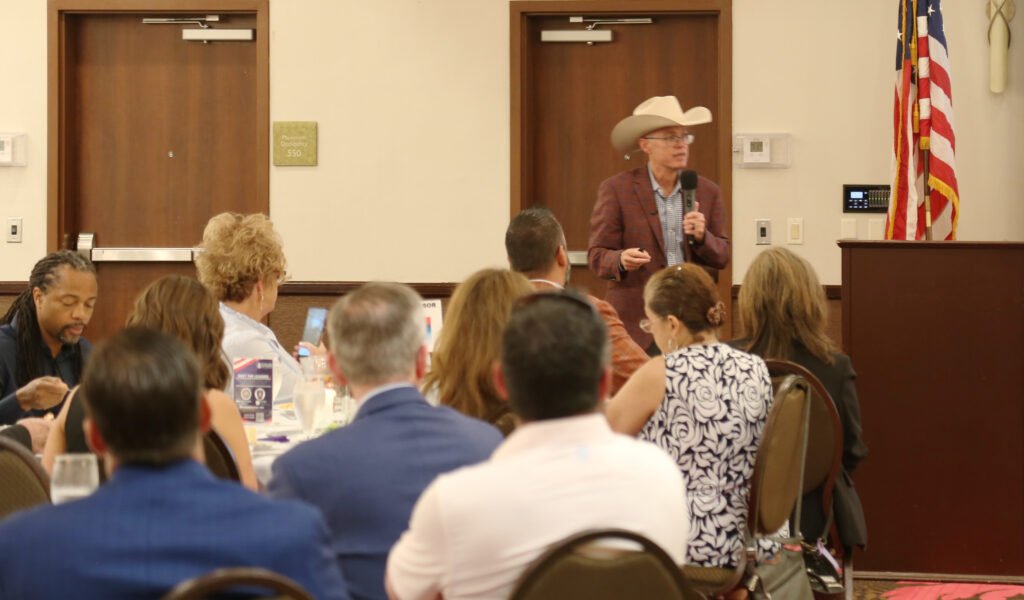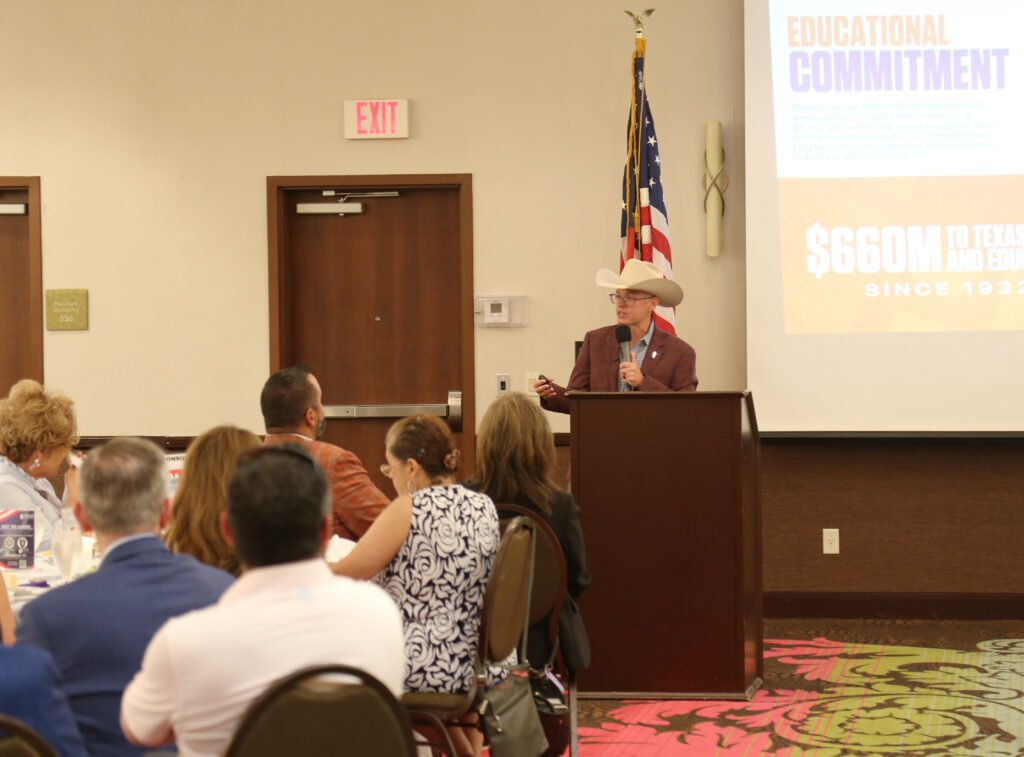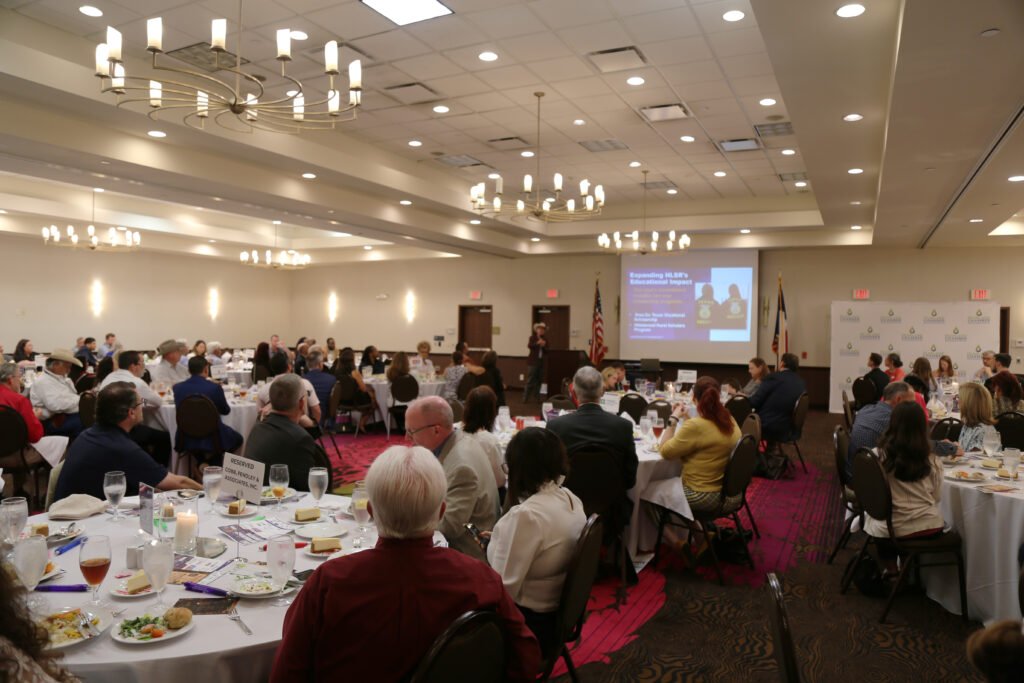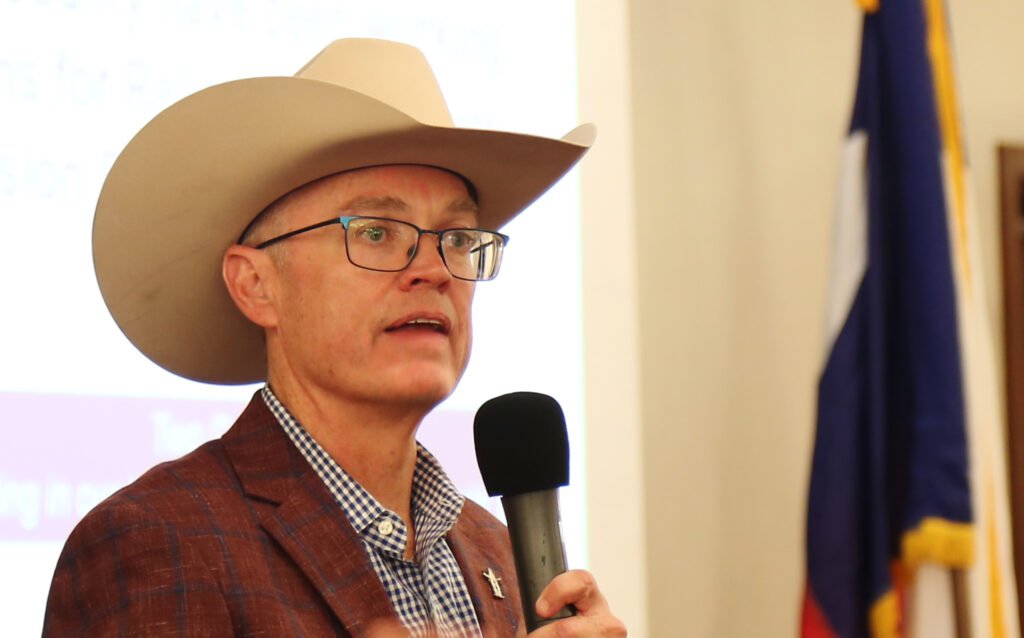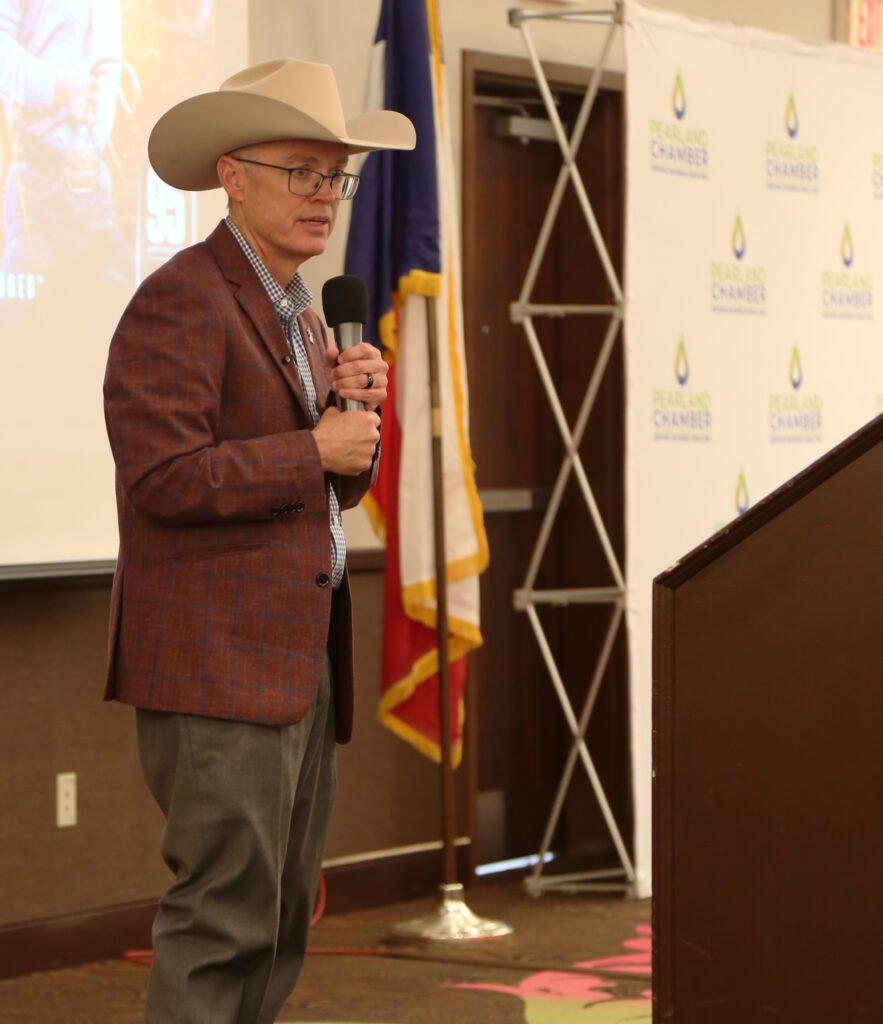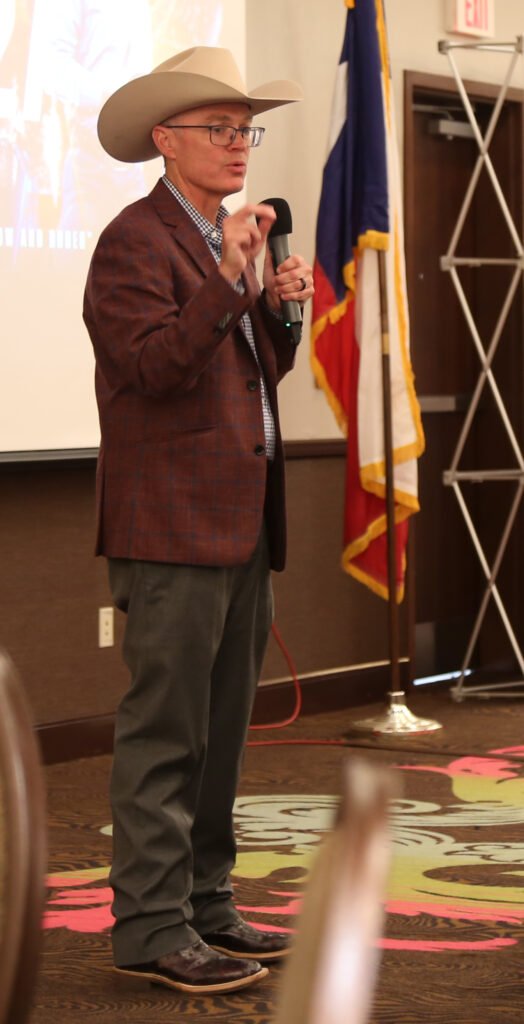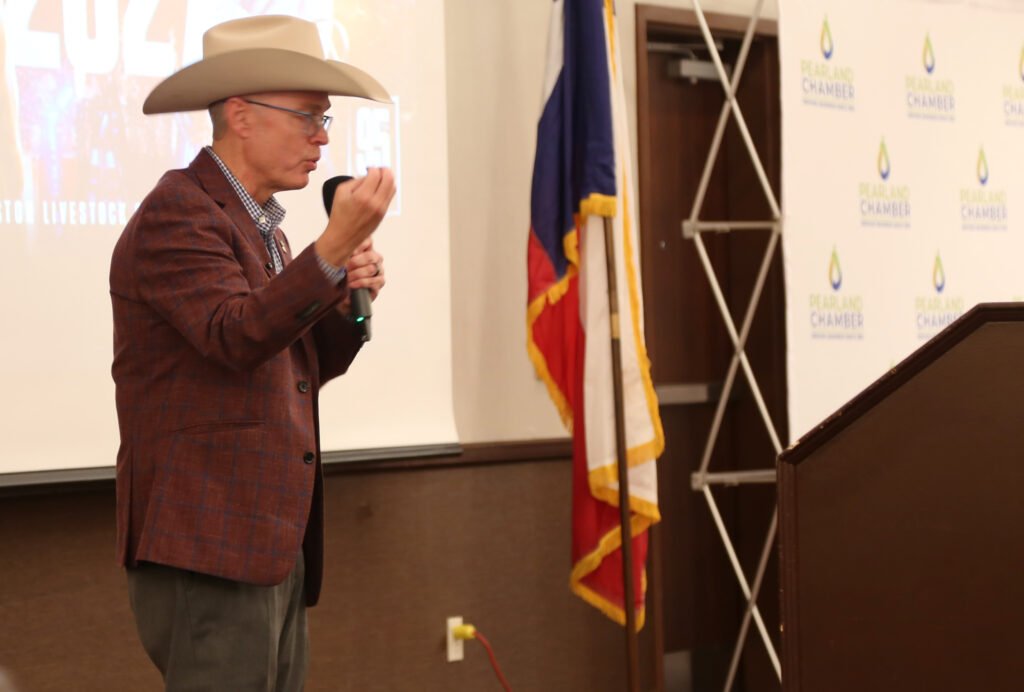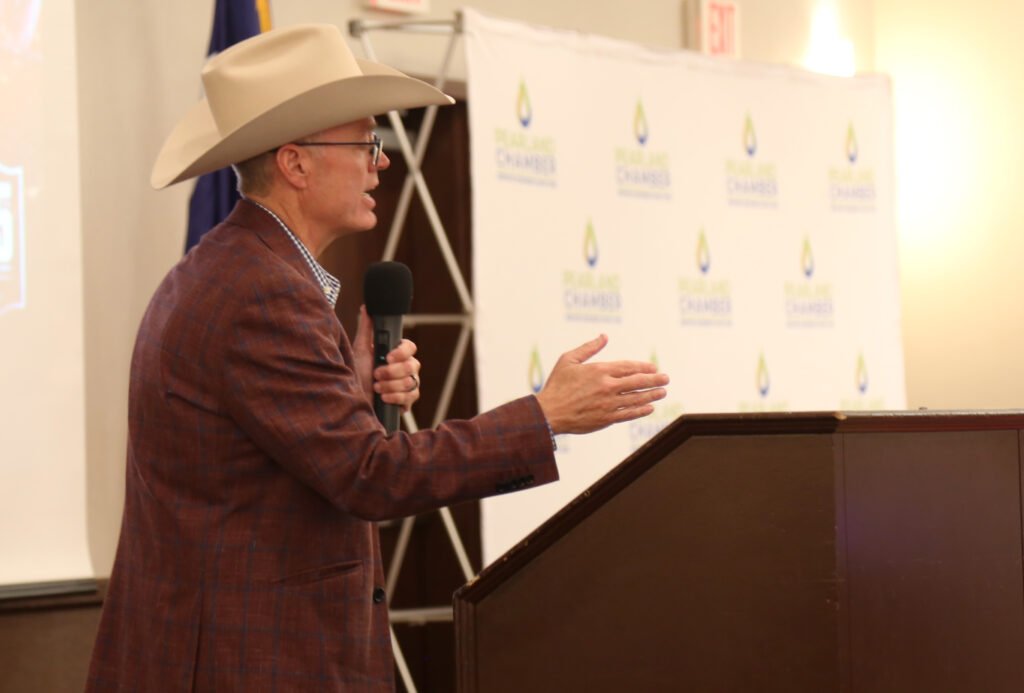
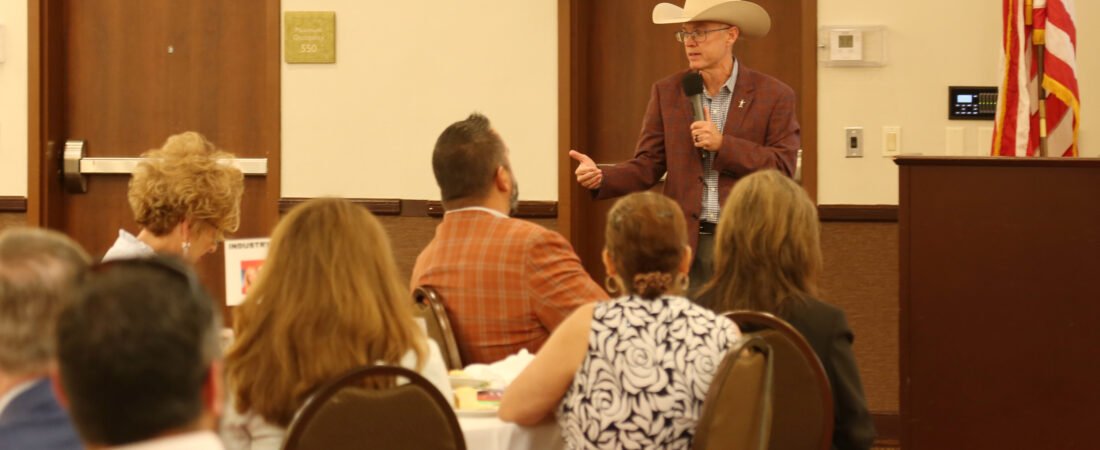
Speaking to the Pearland Chamber of Commerce during their monthly luncheon, Houston Livestock Show and Rodeo President and CEO Chris Boleman, Ph.D., outlined a 300 million dollar project on 350 acres along Highway 288. The site, which the rodeo already owns, is slated to add an arena and roughly one million square feet of exhibit space dedicated to livestock, horses, and related events, with a target opening in time for the 2029 show.
A New HSLR Campus Off 288
Boleman was clear with the Chamber audience that the rodeo is not relocating from NRG Park. The existing footprint at NRG will remain the core of the event, while the 288 property is being developed as a second campus that allows the organization to reconfigure how and where certain activities take place.
The centerpiece of the new site is a purpose built arena and large connected exhibition hall. The exhibit space alone will be about three times the size of the current horse arena at NRG, designed to improve the experience for exhibitors and families and to give the rodeo more flexibility in how it stages horse shows and portions of the livestock show.
The project will be financed by the rodeo and built on land the organization already controls, with no public incentives. Boleman framed it as a long term investment in Texas youth and agriculture, and as a way to modernize facilities that are currently housed in the aging NRG Arena.
What Will Happen There
The new complex will allow the rodeo to shift its horse show and parts of the livestock show onto the 288 property during the annual event. Exhibitors already stage trucks and trailers there before moving into NRG; under the new plan, more of that activity will occur on site, reducing back and forth travel and easing congestion at NRG.
Beyond rodeo season, Boleman described the 288 campus as a flexible platform for programming tied to the rodeo’s mission. Options under consideration include smaller scale concerts, fall festivals, farmers markets, and expanded opportunities for FFA chapters, 4 H clubs, and local school districts to use the facility for practices, competitions, and educational events.
He pointed to a current practice show for calf scramble participants that is held in Brenham because space is not available in November. The 288 complex is designed to bring that kind of activity closer to Houston and onto property the rodeo controls directly.
Mission, Education, and Scale
While the expansion plans were the headline, Boleman spent a significant portion of his talk on the rodeo’s purpose and impact. He reminded the audience that the organization is a nonprofit, despite drawing about 2.6 million visitors each year, and grounded its work in four pillars: education, Western heritage, entertainment, and promoting agriculture.
He shared that last year’s educational commitment exceeded 30 million dollars for the first time, bringing the total investment in students since 1932 to more than 660 million dollars. A growing share of that funding supports students pursuing technical and vocational paths, including HVAC, welding, and electrical trades, along with a new industrial craft competition that already involves schools in Angleton ISD and surrounding areas.
Boleman also noted that the rodeo now matches both academic and vocational scholarships across 68 Go Texan counties and highlighted a 2 million dollar commitment established with the Hildebrand Foundation to reach students in rural communities with limited access to educational opportunities.
The scale of the organization shows up in its people as well as its budget. He cited 36,000 volunteers and about 150 full time staff who work together year round to support the event and its programs. Sponsors, donors, and partners add further depth: more than 40 sponsors and over 2,000 donors contribute to the rodeo’s work, which includes approximately 4.45 million dollars in local grants to area organizations.
At one point, he summarized why this matters with a simple line: “the rodeo is a community event, and the strongest brand in the city,” not because of its staff alone, but because so many people across the region get behind the show.
Featured Acts
During the question and answer portion of the luncheon, Boleman walked the audience through how the rodeo selects its concert performers. He described the process as complicated and compared it to assembling a puzzle. The organization works with three long time agents who help identify which artists are available, are currently touring, and could be good fit for the show.
Because of timing, he noted that some major acts will use their Rodeo set as a warm-up before launching larger tours just weeks after playing the Rodeo. It helps that the stage and sound are already in place, and performers typically deliver one hour sets, which differs from their usual full length shows. Boleman added that the rodeo’s unique rotating stadium stage is itself a draw; it is a robotic structure that rolls out from behind the chutes and unfolds into a five point platform on the dirt. That’s something artists rarely experience elsewhere. And for many artists, specifically country singers, he said HLSR is a bucket-list show and they love to perform here.
Boleman added that the entertainer is the single biggest driver of first time attendance at the rodeo. Once those fans experience the event, data shows they are likely to return, even if they initially came only to see a particular performer.
What the 288 Campus Means for Pearland
For Pearland, the development represents a significant new presence just north of the city along Highway 288. It places a high profile regional institution within easy reach of local schools, businesses, and families, with clear potential for partnerships and shared events.
The campus also aligns with ongoing efforts to address traffic and access during the annual show. The rodeo already parks thousands of cars at the 288 site and moves guests to NRG by shuttle. Boleman told Chamber attendees that conversations are underway with city and transportation leaders to refine those logistics as the new facility comes online, including meetings with the mayor, METRO, and TxDOT.
During the luncheon, local leaders underscored how deeply the rodeo is already woven into the area. Representatives from a local Go Texan committee reminded the room about upcoming scholarship fundraisers that benefit Alvin and Brazoria County students, while another attendee thanked the rodeo for years of scholarships and grants supporting local schools and university programs. Boleman repeatedly directed the credit back to volunteers and donors, but the point was difficult to miss.
Pearland’s business community is used to viewing the rodeo as a major Houston event. It could now be seen as a growing presence along the 288 corridor, with a new campus bringing exhibitors, students, and families to Pearland for years to come.