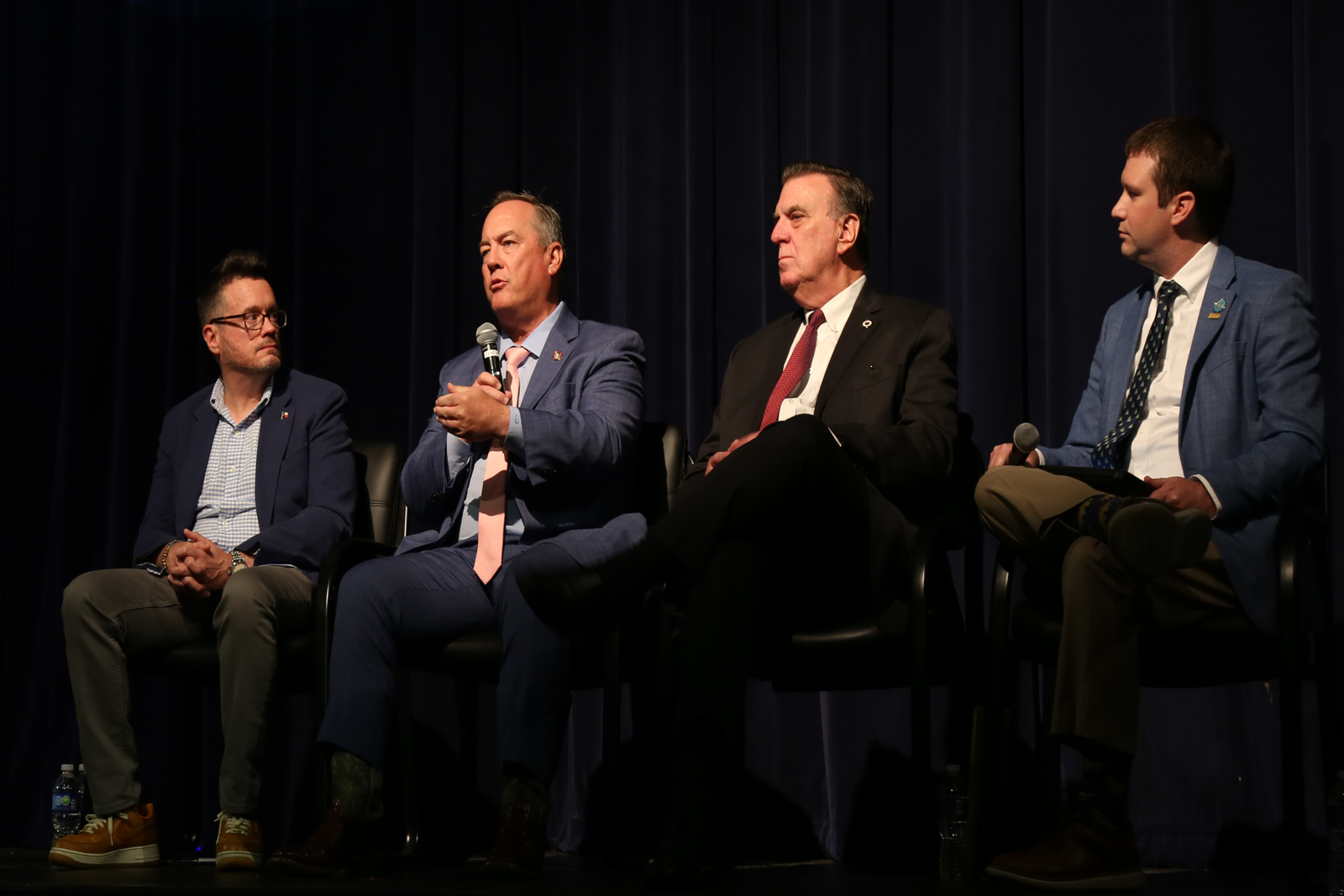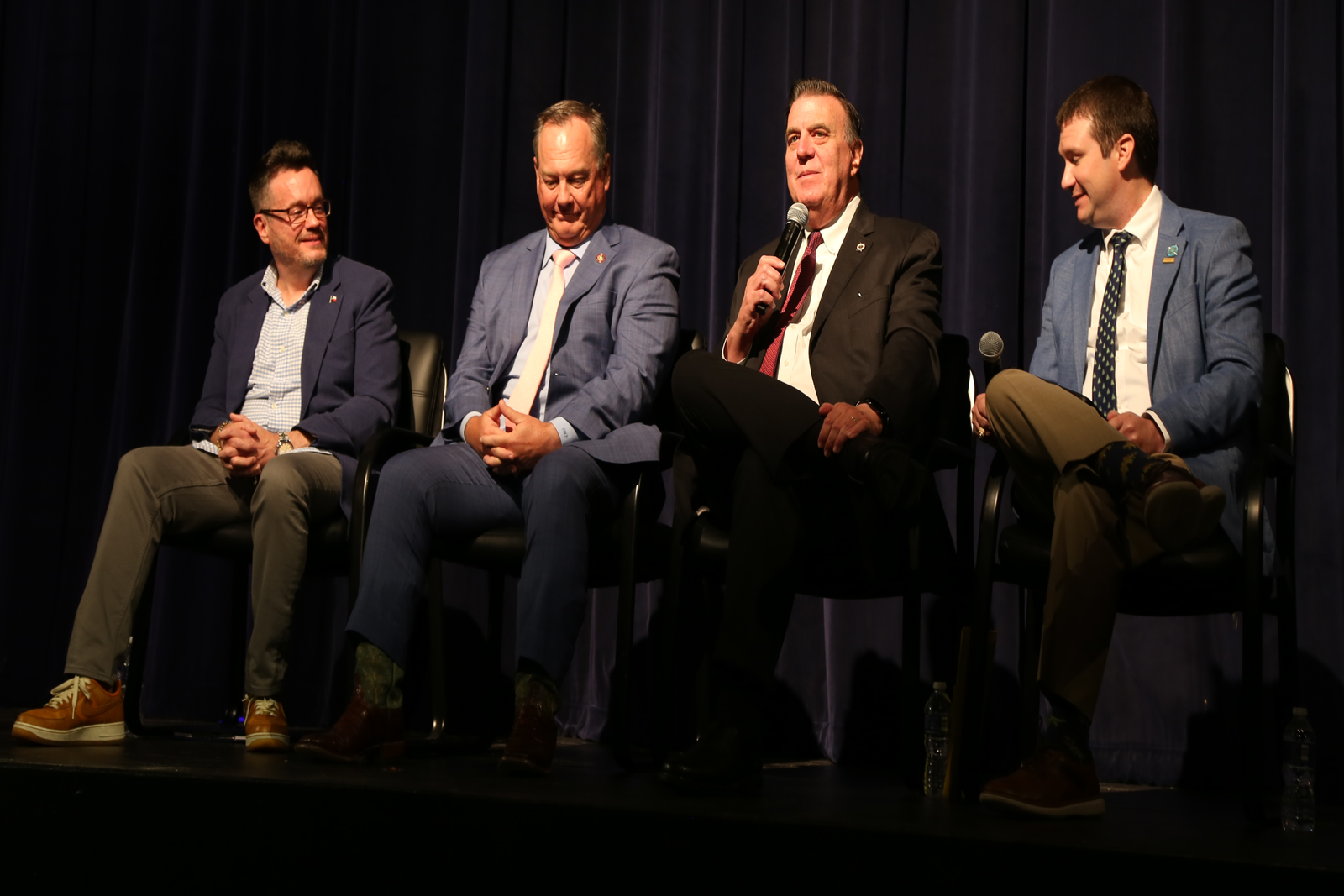
Pearland residents, city leaders, state representatives and housing-policy experts gathered Aug. 18 for a public forum examining two Texas housing laws that could eventually affect how the city manages growth: Senate Bill 15 and Senate Bill 840.
The forum was intended to explain the laws, outline their potential implications for local governments, and give residents an opportunity to learn about related concerns around housing development and infrastructure.
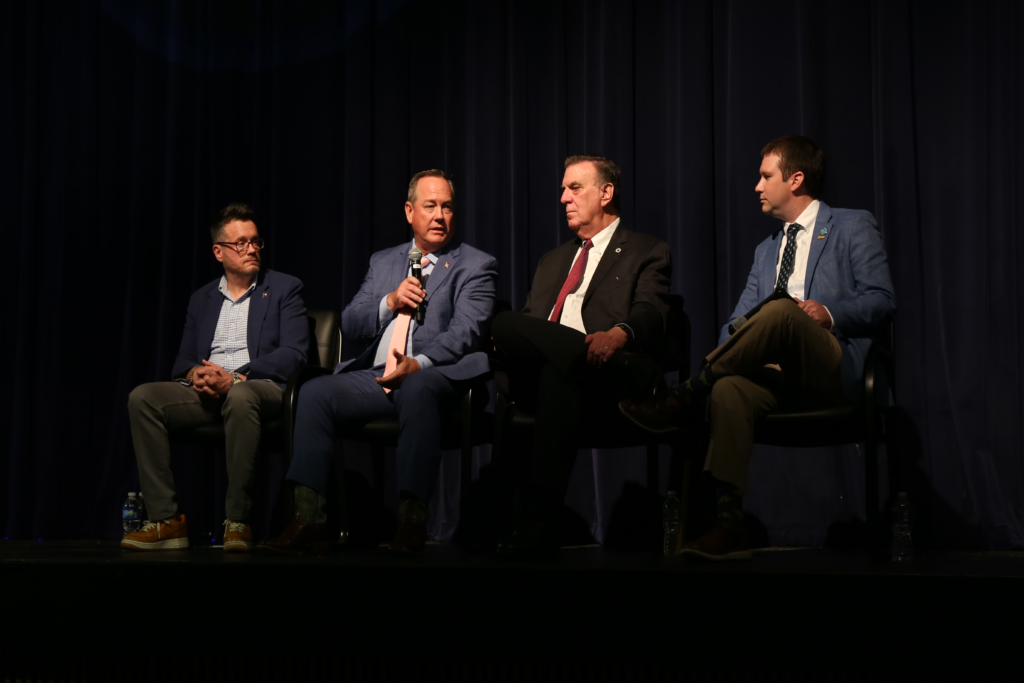
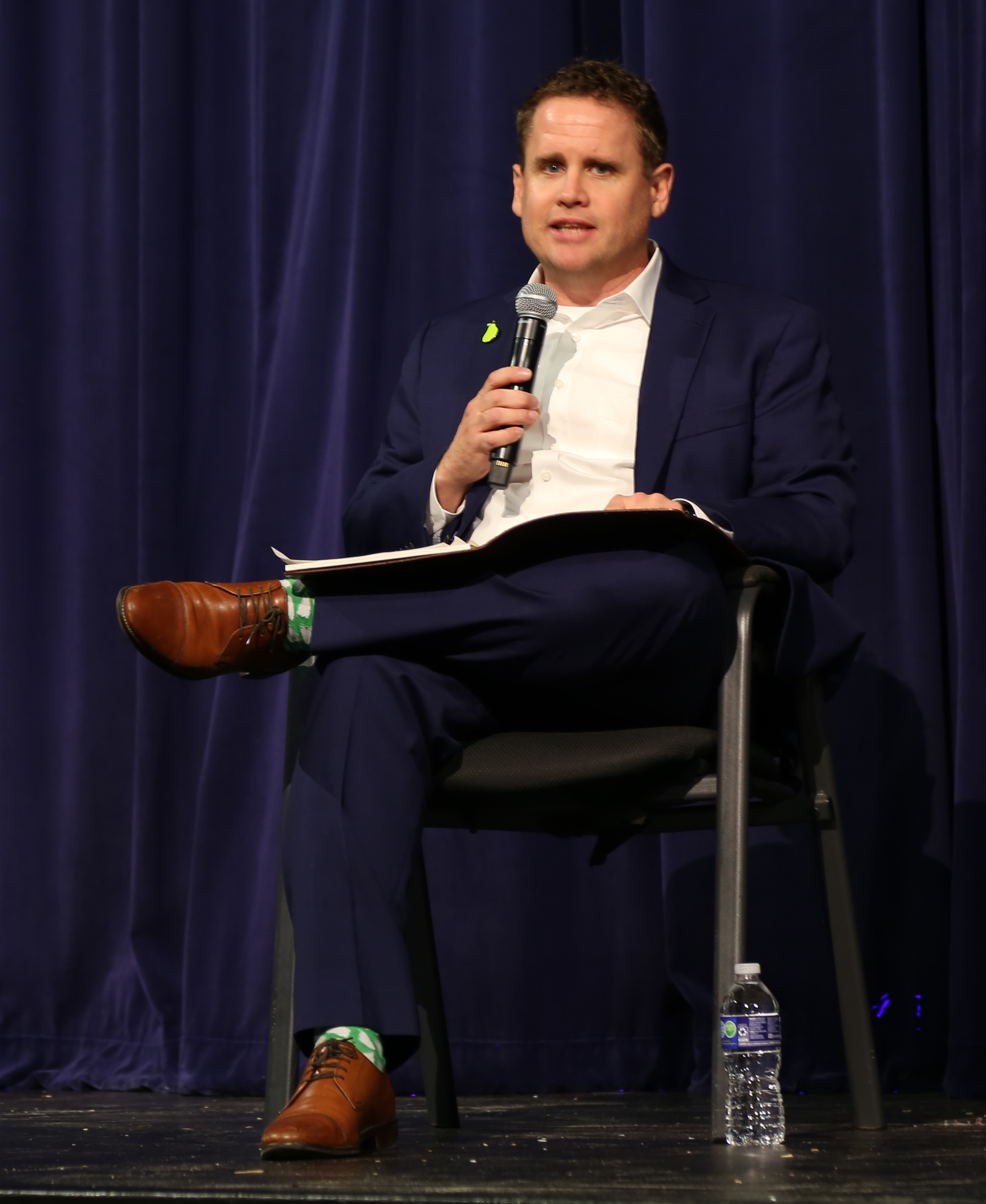
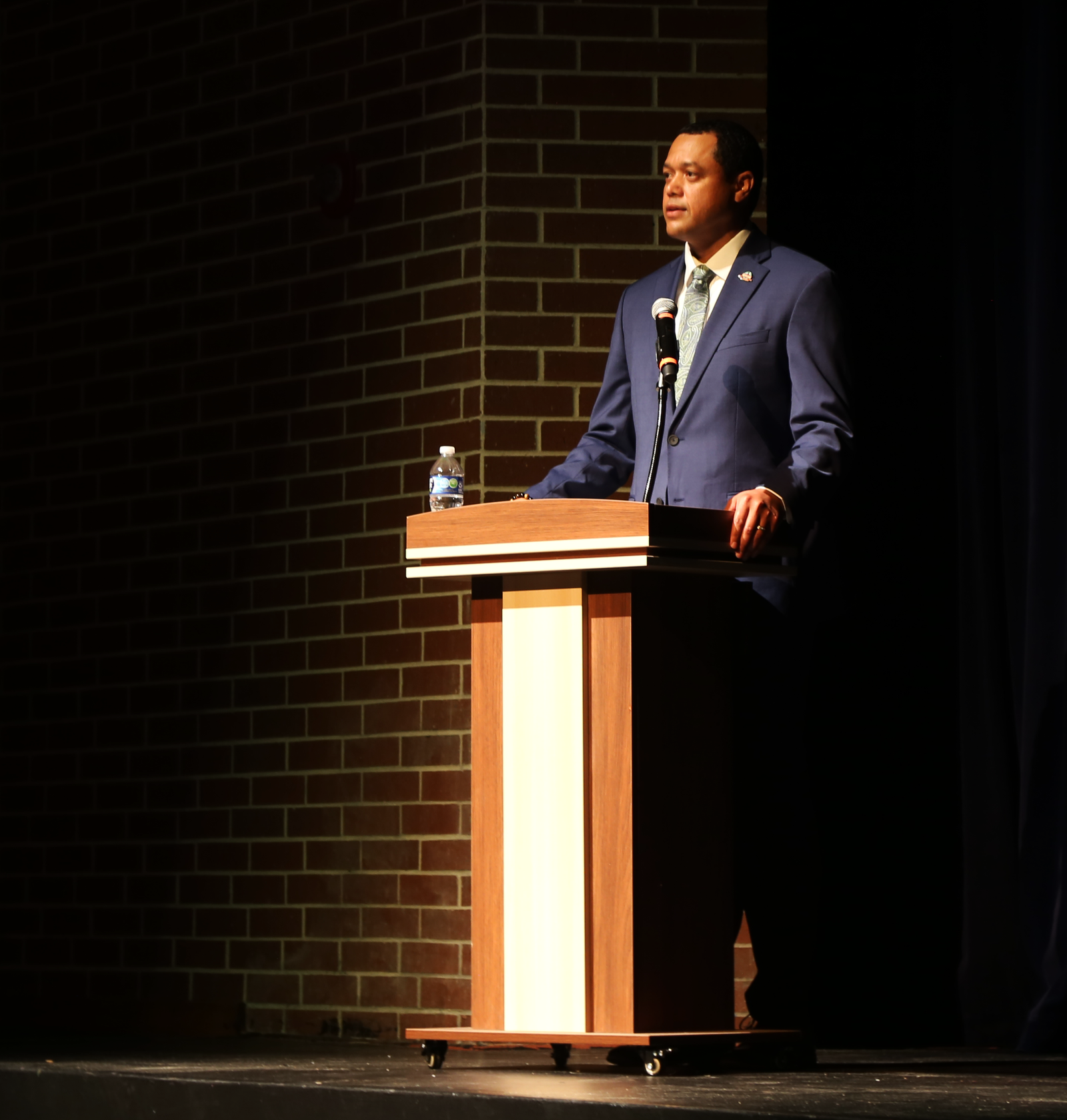
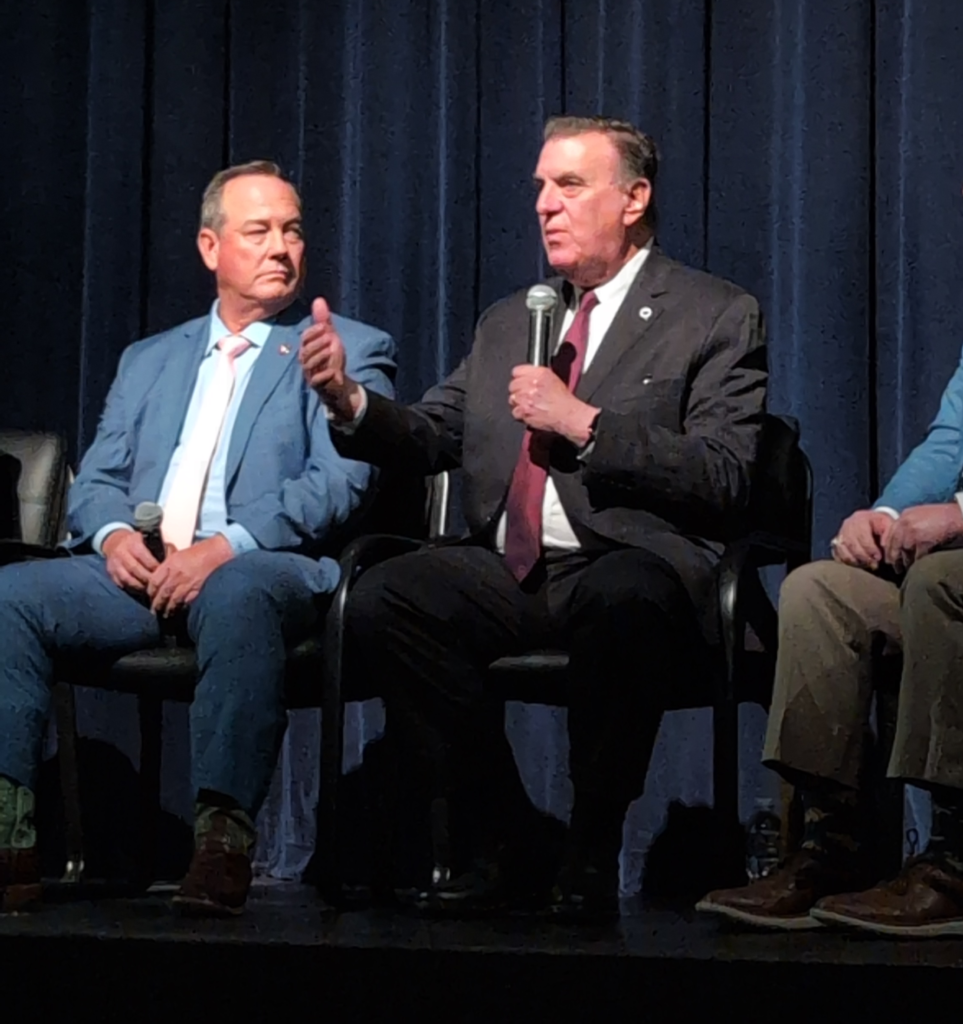
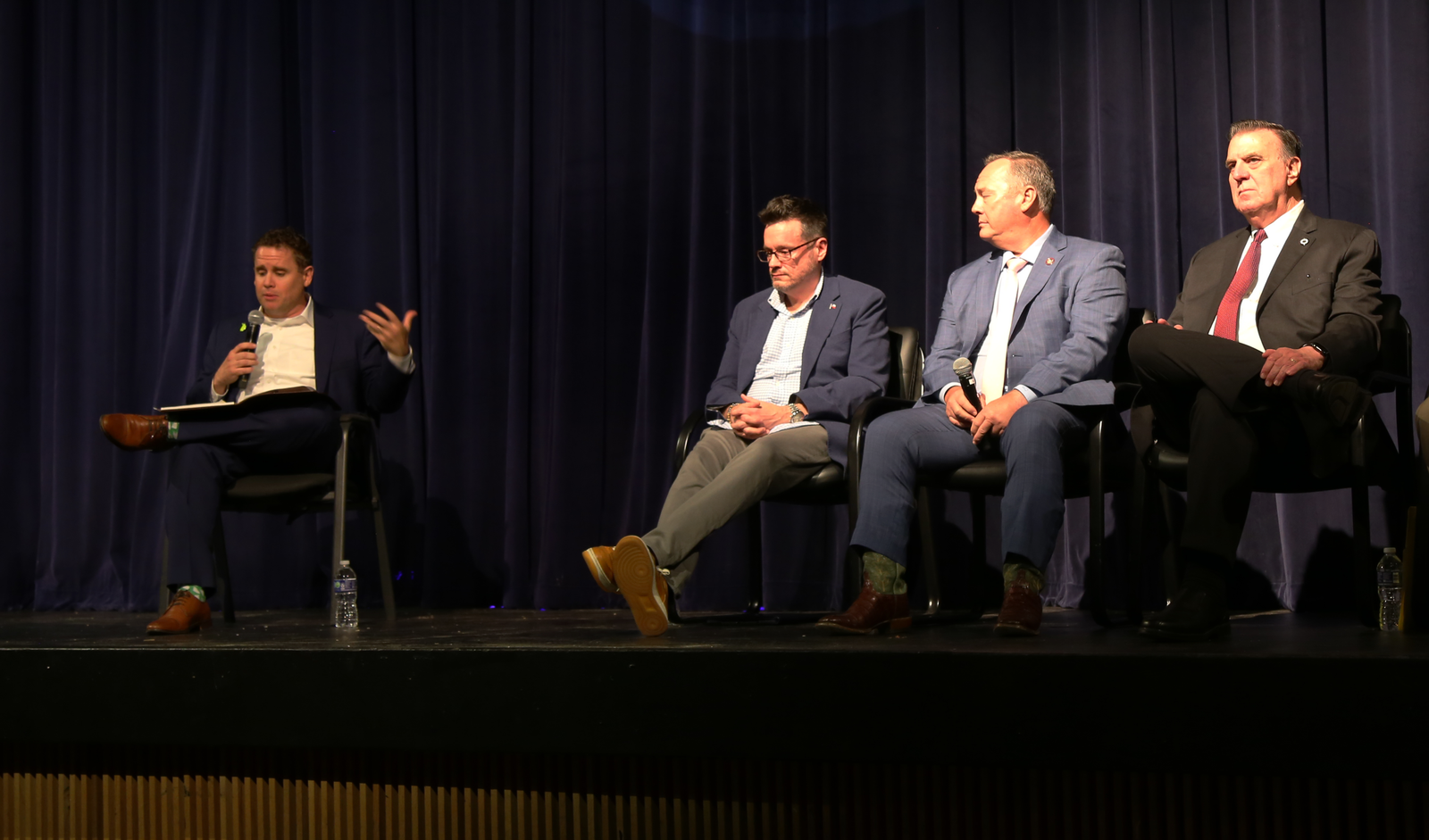
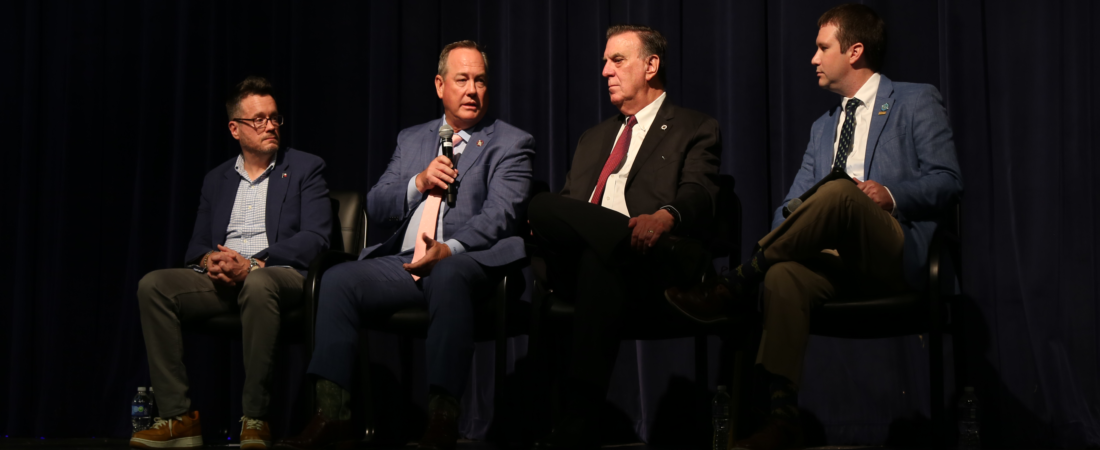
Pearland Mayor Quentin Wiltz opened the meeting. Participants included Texas Municipal League Legislative Counsel Mike Martin; State Rep. Jeff Barry, District 29; State Rep. Dennis Paul, District 129; State Rep. Cody Vasut, District 25; and Pearland Chamber of Commerce President and CEO Jim Johnson, who moderated the legislative panel. Pearland City Council members and city staff were also present.
The central issue: statewide housing policy and local planning
The forum revolved around a tension that the panel described in different ways: Texas faces pressure to expand housing supply, while cities must manage the local effects of development.
Texas Municipal League Legislative Counsel Mike Martin said Texas has added more than 4 million people during the past decade and cited a 2024 study estimating that the state was at least 300,000 housing units short of meeting its existing needs. The Legislature passed SB 15 and SB 840 as part of an effort to address that shortage.
The representatives described the policy goal as increasing housing access and supply, particularly for middle-income households and in denser urban areas. They also acknowledged that new development can bring local concerns involving water, sewer service, streets, parking, drainage, floodplain management and public safety.
The discussion did not express a singular view on where the balance should fall. Speakers shared arguments for both using state policy to remove some barriers to housing development and that cities should retain more authority over local development decisions.
Senate Bill 15: Smaller lots in new residential areas
SB 15 addresses minimum lot-size requirements for certain new single-family residential development.
According to Martin’s overview, the law prohibits covered cities from imposing a minimum lot-size requirement greater than 3,000 square feet for qualifying residential projects. The law applies only when several conditions are met:
• The development is on a tract of at least five acres.
• The property is already zoned for residential use.
• The property is undeveloped.
Martin explained that the Legislature narrowed the bill from an earlier proposal considered in 2023. That earlier version would have set a 1,400-square-foot cap, applied more broadly and included developed areas. Concerns from cities and community stakeholders about unplanned density and strain on existing infrastructure helped shape the version enacted in 2025.
The final law’s focus on undeveloped land was repeatedly identified as significant. In these situations, the developer must build infrastructure to support the new project rather than adding new density to an established area served by existing city systems.
That distinction matters in a community discussion because it separates future subdivision development from redevelopment within existing neighborhoods. It also does not settle whether smaller lots will make homes meaningfully more affordable. The panel discussed how land, materials, labor, financing, water, sewer and street construction all affect the final price of a home.
State Rep. Jeff Barry, District 29, said smaller homes do not automatically become inexpensive when construction, labor, materials, utilities and financing remain costly. He described affordability as a larger construction-cost and labor-market issue, rather than an issue that can be solved only by reducing lot sizes.
Senate Bill 840: Multifamily and mixed-use development
SB 840 is the law more directly tied to the forum’s multifamily-housing focus.
Martin explained that the law allows qualifying mixed-use or multifamily residential projects in certain nonresidential areas, including office, commercial and warehouse areas. The law applies to new construction and to certain conversions of existing buildings.
For a city covered by the law, a qualifying project can proceed without a zoning change. The law also sets limits on specific local development requirements. As described during the forum, those limits include:
• A city may not impose a building-height restriction below 45 feet.
• A city may not require a setback greater than 25 feet.
• A city may require no more than one parking space per residential unit.
• A city may not require a multilevel parking garage.
• A qualifying project may include at least 36 units per acre.
The law also includes provisions governing some conversions of existing structures. The forum explanation said that cities cannot require additional traffic-mitigation measures solely because an existing building is converted, cannot require additional parking beyond what is already present and cannot impose a new impact fee if the building has already been subject to an impact fee.
Martin described impact fees as one-time charges imposed on development to help cover infrastructure needed to support growth. He said the conversion provisions were intended to account for sites that had already been developed and previously paid those costs.
The panel also noted that SB 840 does not remove every local regulatory tool. Martin stated that qualifying projects remain subject to other city regulations applicable to commercial development and infrastructure. During the public question period, he also said both SB 15 and SB 840 expressly preserve city floodplain authority.
Different views on local control
The forum’s clearest policy disagreement involved how much authority the state should have over development decisions traditionally made by municipalities.
State Rep. Jeff Barry, District 29, expressed concern that SB 840 can limit a city’s ability to evaluate the local consequences of a major change in land use. He focused on scenarios in which a low-traffic commercial property could become a large apartment project, potentially creating new demands on infrastructure and parking without allowing the city to require additional impact fees or parking.
Barry argued that development decisions should be made as close to residents as possible, through city councils and local public participation. He said he opposed SB 840 because of its effect on local authority over matters such as parking requirements and impact fees.
State Rep. Cody Vasut, District 25, who previously served on Angleton City Council, said he supports local control while also recognizing the statewide rationale behind the legislation. He described the state’s interest as housing supply and property rights, while cities are responsible for managing the effects of development on nearby residents and local infrastructure.
Vasut’s remarks focused on the idea that more density in already urban areas can reduce development pressure in suburban and rural areas. He described the population threshold as one tool intended to target the bills toward larger, denser communities rather than applying them broadly across Texas.
State Rep. Dennis Paul, District 129, described the housing concern in terms of middle-income households and the ability of younger people and families to find housing. He also discussed the potential use of older or vacant commercial structures for residential redevelopment in larger urban centers.
The discussion focused on competing policy priorities: increasing housing supply and protecting the capacity of cities to plan for local conditions.
How the laws relate to Pearland
The immediate takeaway is that neither SB 15 nor SB 840 currently applies to Pearland.
Both laws apply to cities with populations above 150,000 that are located in counties with populations above 300,000. The applicable population determination is based on the most recent federal census.
Martin said Pearland’s 2020 Census population was about 125,000. As a result, the city does not fall within the current statutory threshold.
The next federal decennial census is scheduled for 2030. Martin noted that the laws would not apply to Pearland until after that census unless the Legislature changes the underlying law.
Forum participants discussed different assessments of whether Pearland will cross the 150,000 threshold by 2030. Some referenced more current local population estimates, while Vasut cited a lower estimate and said he did not believe Pearland would reach the threshold by the next census.
What was clear is that city and state leaders are aware and are considering potential concerns before the laws apply. If Pearland does meet the threshold in a future census and the statutes remain unchanged, SB 15 could affect minimum lot-size requirements in qualifying new residential subdivisions, while SB 840 could affect how the city handles qualifying multifamily and mixed-use projects in certain nonresidential zoning categories.
Public questions
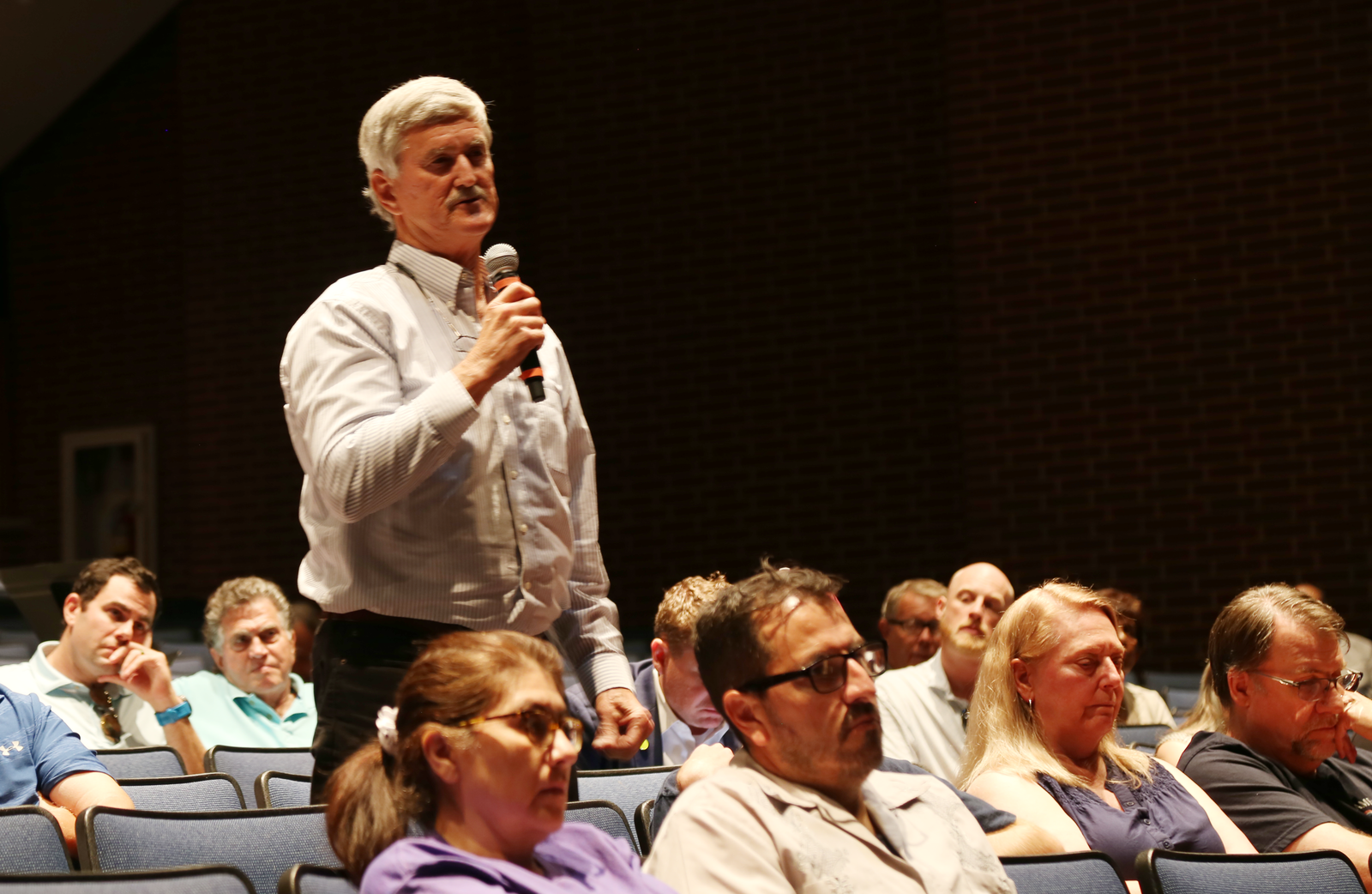
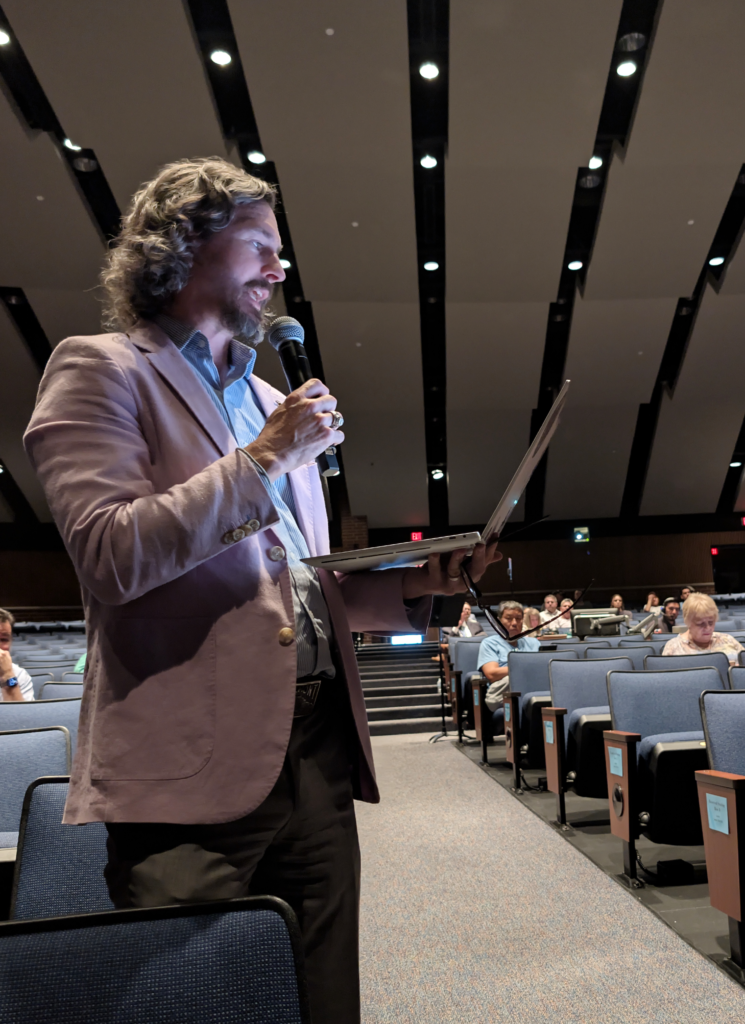
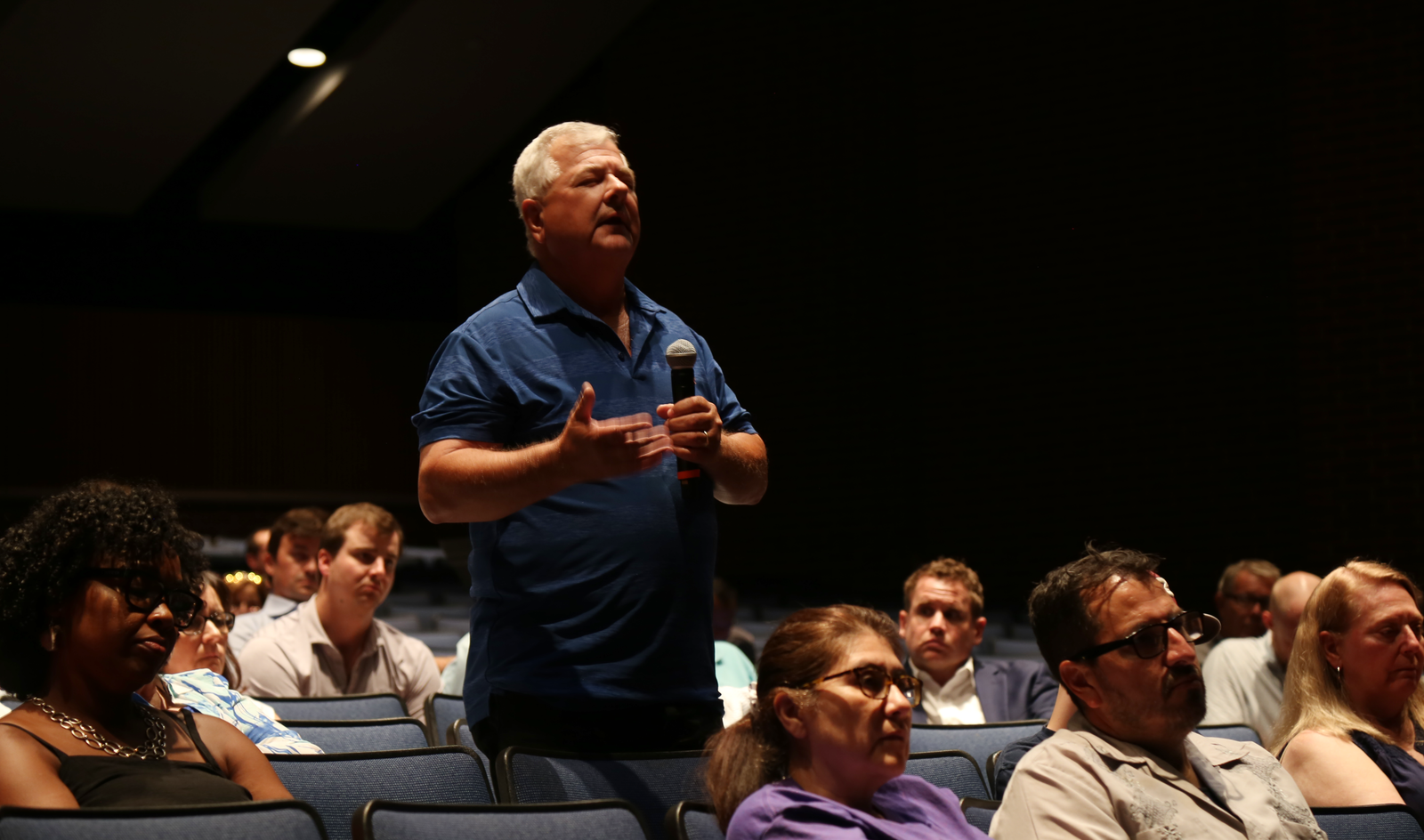
Residents used the question-and-answer period to raise concerns that went beyond the statutes themselves.
Question topics:
• Whether multifamily development could affect property taxes.
• Parking and infrastructure needs associated with apartment development.
• Flooding, detention and drainage capacity.
• The ability of the city to respond to specific development proposals.
• The prospect of future legislative changes to the population threshold.
• The broader shift of authority from local governments to the state.
What comes next
No action was taken at the forum. The event served as an educational discussion and a chance for residents to ask questions.
Pearland Mayor Quentin Wiltz encouraged residents to continue submitting questions and feedback through the city’s established channels, particularly if a question was not addressed during the public forum.
Resources:
Senate Bill 15, 89th Legislature, Regular Session, enrolled version
Senate Bill 840, 89th Legislature, Regular Session, enrolled version, PDF
Watch the livestream of the event: