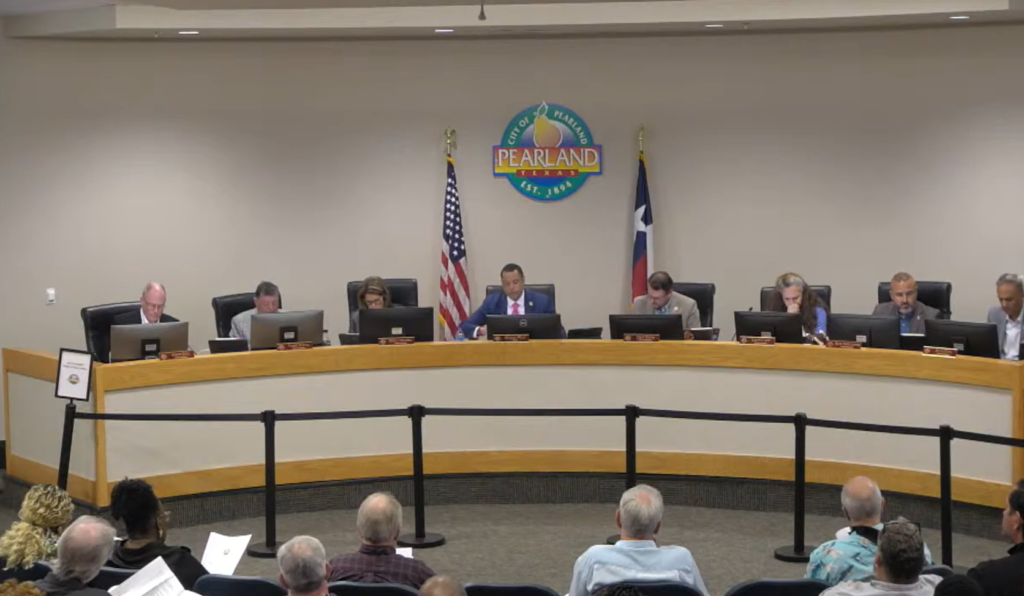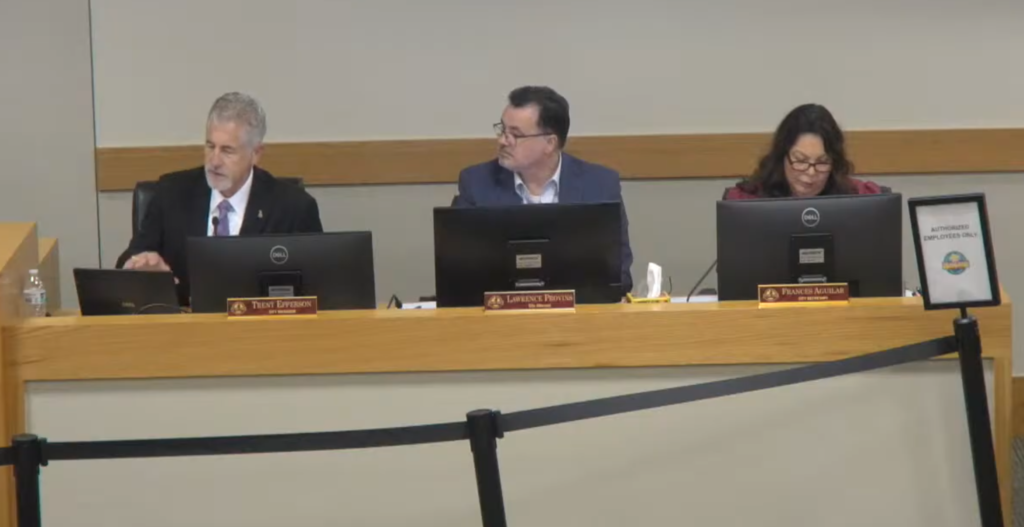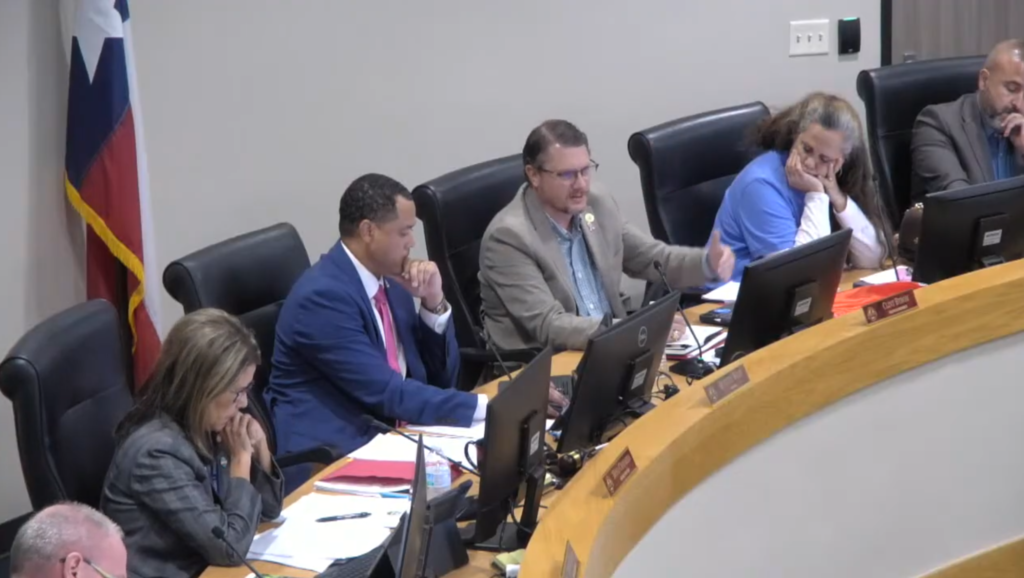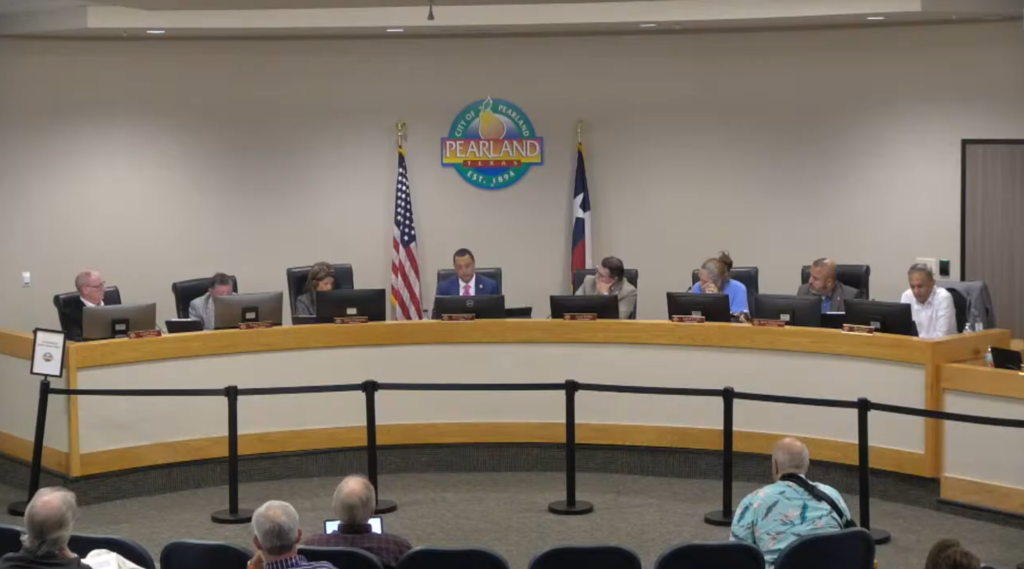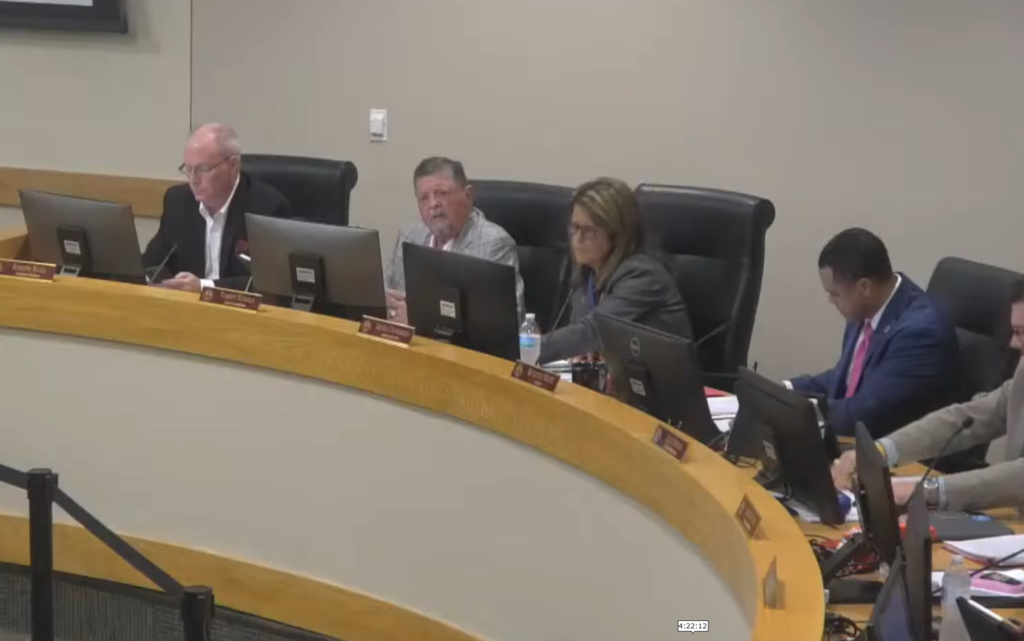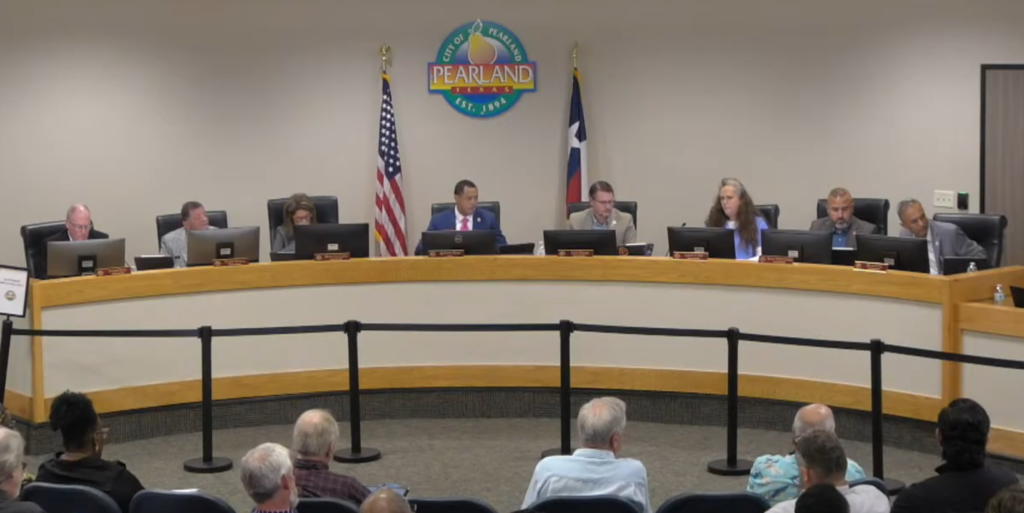
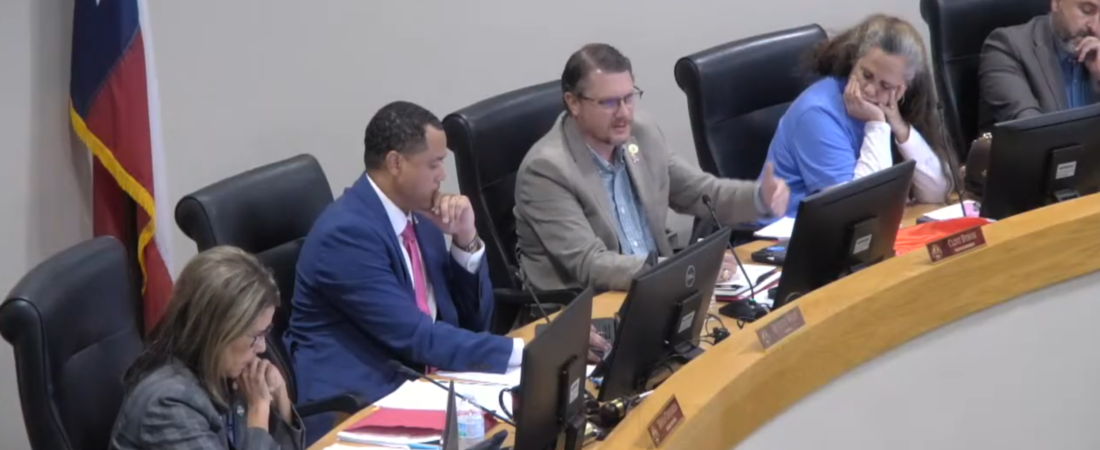
Pearland City Council voted 7–0 on October 26 to appoint councilmembers and city staff to the city’s 2027 Houston-Galveston Area Council positions following an extended debate that highlighted disagreements over the mayor’s qualifications and appointment authority.
The unanimous vote settled who would represent Pearland, but it did not resolve accounts of how the dispute developed. Mayor Quentin Wiltz argued that he was seeking the same opportunities afforded previous mayors. Councilmembers asserted their authority to select representatives and raised concerns ranging from municipal experience and availability to the handling of a boycott controversy involving local businesses.
At the center of the disagreement was representation: whether the mayor’s elected position made him the appropriate choice, or whether council should place those responsibilities with officials it considered better suited for the assignments.
Wiltz asks for consistency
Wiltz made his case around his professional background, community service, and relationships with regional officials. He argued that those qualifications should be considered alongside his responsibilities as mayor rather than discounted because he was new to municipal office.
“If experience remains a concern, I ask that council identify the specific competencies being evaluated and apply those criteria consistently,” Wiltz said. He described his background and preparation as making him the strongest choice among the city’s elected officials for the assignments.
His argument extended beyond the appointments themselves. Wiltz said he had sought the privileges and authority associated with the mayor’s office and connected the regional board dispute to earlier changes in council procedures that he believed had diminished his role.
Councilmembers distinguish professional experience from municipal experience
Councilmember Clint Byrom offered the most direct response to Wiltz’s qualifications argument. He said previous mayors who served in the regional roles had substantial municipal experience before becoming mayor, including council service and involvement with regional boards and committees. In his view, those backgrounds made the comparison with Wiltz different.
Byrom said he had previously encouraged Wiltz to spend his first year learning the mayor’s role and becoming accustomed to municipal governance before adding more responsibilities.
“I just don’t think now is the right time,” Byrom said. He maintained that other capable representatives could handle the assignments while Wiltz developed experience in his current office.
Councilmember Tommy Echols questioned whether additional appointments would create scheduling difficulties, citing events he said Wiltz had missed. Mayor Pro Tem Mona Chavarria clarified one part of that discussion noting she had delivered 10 proclamations for the mayor when he was unavailable.
Councilmember Rushi Patel acknowledged Wiltz’s business experience but argued that appointment discretion belonged to the council. He compared the decision with the mayor’s own choices for the finance and audit committee, saying councilmembers should respect the mayor’s authority in that setting just as the mayor should respect council’s authority over the regional appointments.
Councilmember Joseph Koza also challenged Wiltz’s earlier effort to obtain a Transportation Policy Council seat through direct correspondence with H-GAC staff.
According to emails discussed during the meeting, Wiltz sought information about filling the vacancy left by the previous mayor, received appointment paperwork from regional staff and asked to nominate himself to the vacancy. City Manager Trent Epperson subsequently asked H-GAC to await action by Pearland’s governing body, noting that council had postponed consideration of the appointments until October.
Koza argued that Wiltz’s submission conflicted with the city charter and council’s prior postponement. He maintained that the regional organization’s bylaws did not independently authorize the mayor to bypass the city’s appointment process.
Wiltz, meanwhile, framed his outreach and preparation as part of his effort to serve the city regionally. By the end of the discussion, he expressly recognized council’s role in deciding who would receive the appointments.
In responding to Koza’s timeline, Wiltz said it omitted an August 10 meeting, when council considered changes to its procedural rules. He argued that additional proposed changes affecting the mayor had not been disclosed to him before that meeting.
Wiltz said that experience was central to understanding frustration surrounding his office. He objected to proposed language concerning the mayor’s ability to call a special meeting, a power he said was protected by the charter.
Byrom rejected the characterization that council had tried to circumvent the charter. He said that once the referenced charter provision was identified during the earlier meeting, and they moved past the conflicting proposal at the time. The city attorney explained during the discussion that any council rules contrary to the charter would not be enforceable.
Unanimous Vote Decides H-GAC Representation
Councilmember Rushi Patel proposed the slate, with Councilmember Tommy Echols seconding the motion. After a change to one alternate position, all seven councilmembers voted. The appointments covered H-GAC’s General Assembly, Board of Directors and Transportation Policy Council.
The vote was unanimous among the seven councilmembers as they selected their representatives.
| Regional body | Representative or delegate | Alternate |
| H-GAC General Assembly, Position 1 | Clint Byrom | Joseph Koza |
| H-GAC General Assembly, Position 2 | Rick Fernandez | Mona Chavarria |
| H-GAC Board of Directors | Clint Byrom | Rick Fernandez |
| Transportation Policy Council | Trent Epperson | Lorenzo Wingate |
Watch the city council discussion online at: