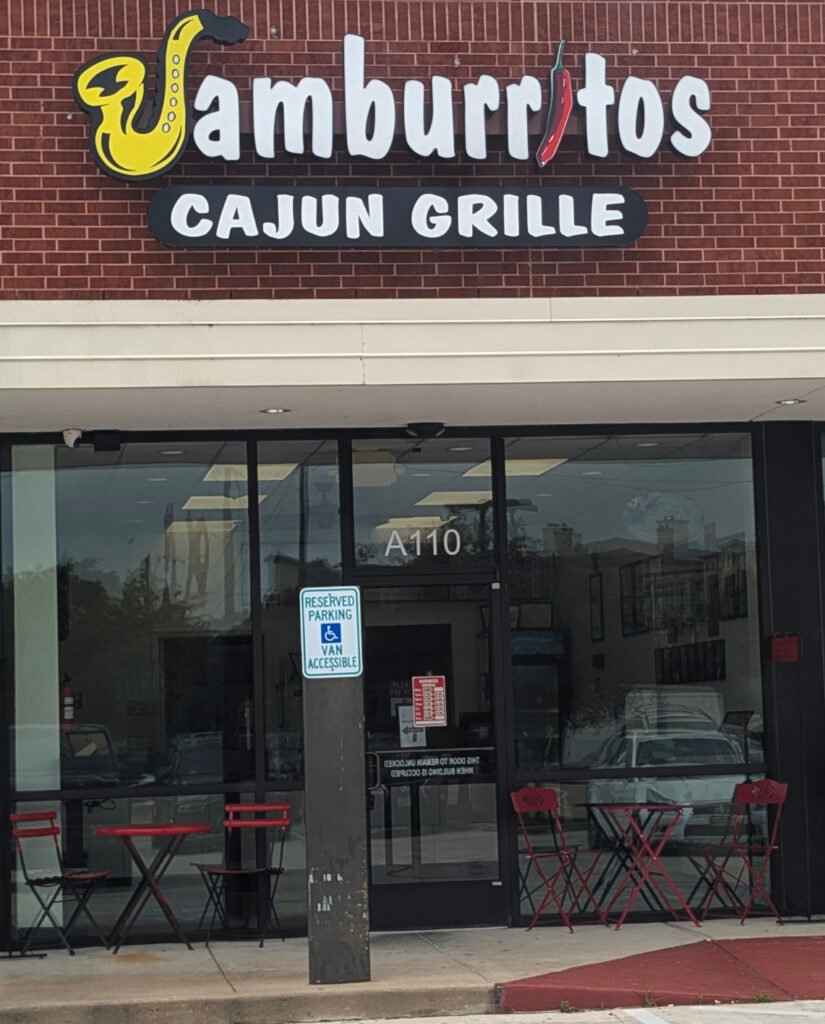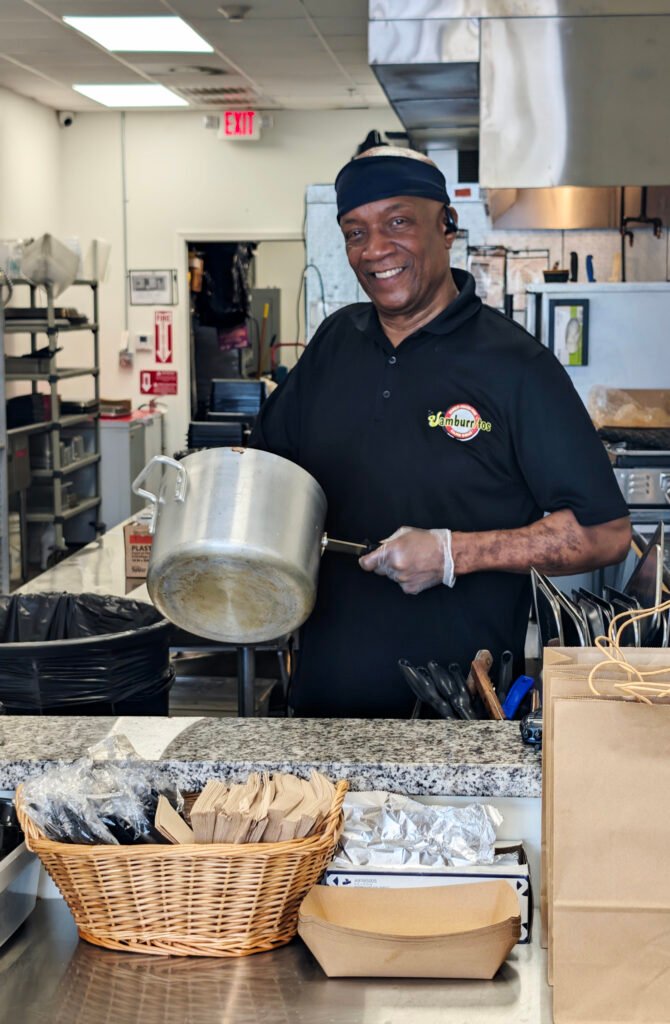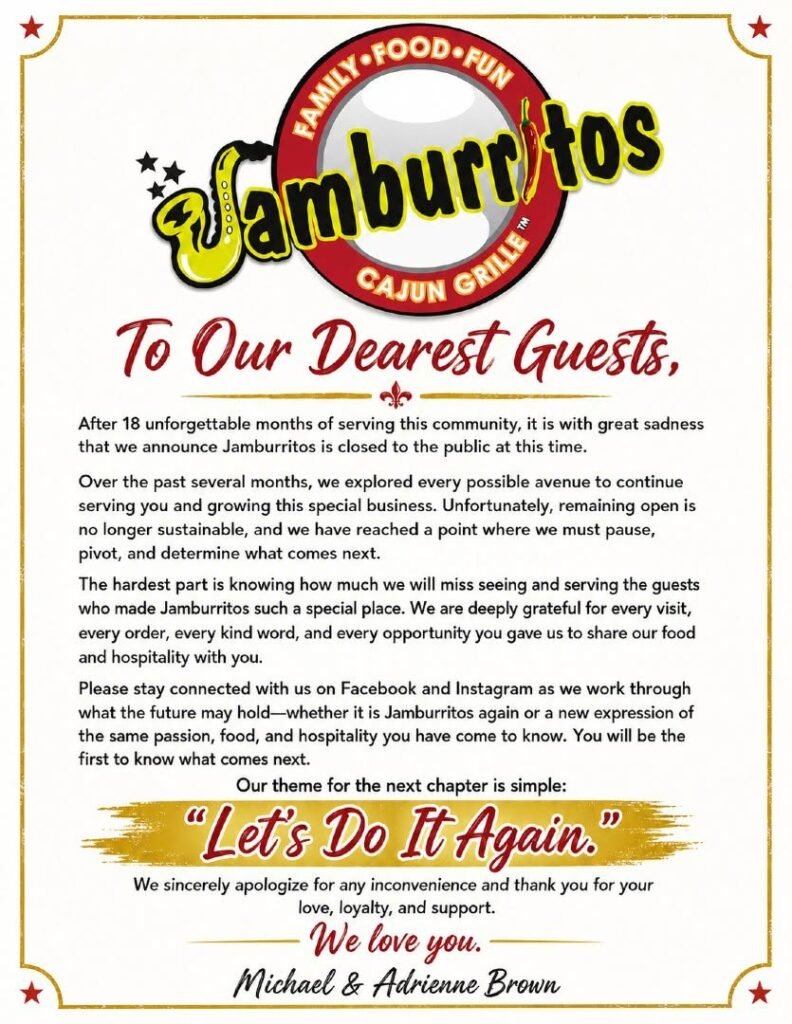
Chef Michael Brown’s Jamburritos had food people loved, a loyal customer base, strong systems, and decades of experience behind it. Still, the Pearland restaurant didn’t consistently reach the volume needed to sustain the business. Its closure is not just a story about what ended, but about the hard lessons in between optimism and a responsible decision to stop funding losses.
When Jamburritos opened in Pearland, Chef Michael Brown believed he had built something meant to last.
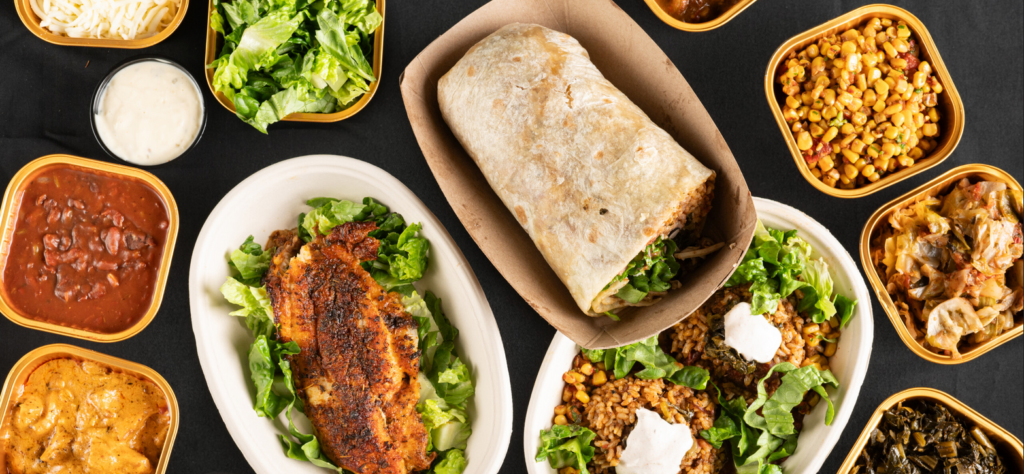
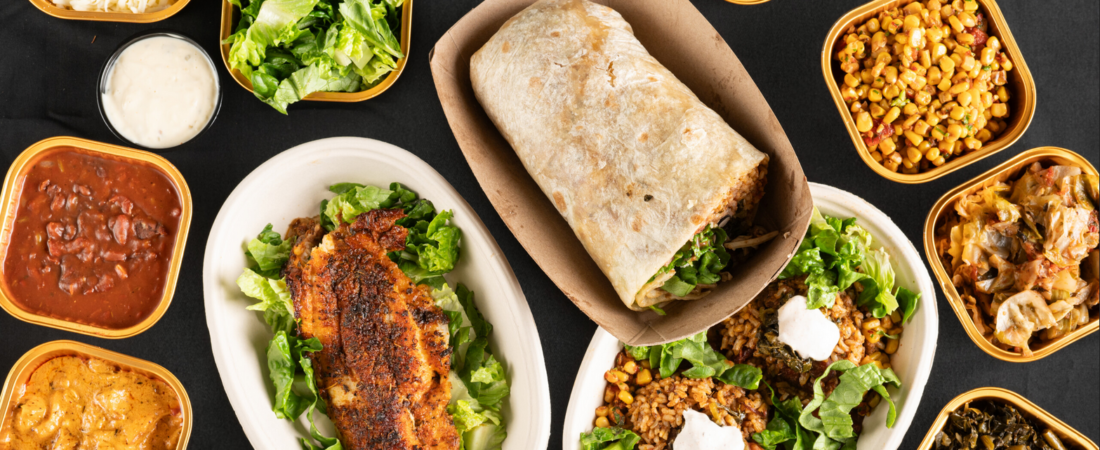
The food was personal and distinctive: Creole flavors delivered through burritos, bowls, tacos, and plates. The operation was carefully designed for fast-casual volume. Brown brought decades of restaurant experience, a developed training system, a signature seasoning called Miracle Dust, and a vision centered on what he calls “Xtreme Hospitality.”
Customers responded.
They came back for blackened catfish, jambalaya rice, bayou cream shrimp, and the familiar flavors that reminded some guests of home. Brown heard from people who had traveled from outside Pearland to try the food. He heard from guests who said they had been planning to come for months. The restaurant earned goodwill, loyal regulars, and encouraging feedback.
But a restaurant can be loved and still not be sustainable.
The hard math behind the closing
Jamburritos was built to handle far more business than it received. Brown estimated the location was operating at roughly 25 percent of the customer volume it was designed to serve. He believed that if the restaurant had reached full capacity, it could have thrived.
The issue was not the average check. In fact, customers often spent more than projected. Brown expected an average check of about $17, but it regularly rose above $25 as guests added sides and optional items. But there wasn’t consistent traffic.
Today, restaurants operate with ever thinning margins with rising food costs, demanding labor needs, high overhead, and an increasingly crowded marketplace. A strong product is essential, but it is only the starting point. A business also needs enough guests to cover operational costs, some that aren’t obvious for non-business owners.
Brown and his wife gave the business time. After a strong February, they increased spending on marketing and social media, hoping awareness would turn into additional sustained sales. The outreach improved engagement, but it did not produce enough immediate business to overcome the losses.
“We had done a great job initially outfitting the place,” Brown said. “The space is designed to do high volume, no problem. But we were only utilizing that from a customer standpoint by about 25 percent.”
Eventually, Brown and his wife set a go-or-no-go date. They had to decide whether their belief in the concept justified continuing to use family resources to cover monthly losses. It did not.
Perseverance also needs limits
Brown describes the decision as a conflict between two necessary mindsets.
One was the entrepreneur who believed in the product, saw potential, and wanted to keep investing. The other was the financial decision-maker who had to recognize that the risk had become too great.
For many small business owners, that tension is familiar. Perseverance is celebrated. Giving up too early can end a business before it has the chance to find its footing. But he cautioned that there is a difference between perseverance and continuing to fund losses without a realistic path to sustainability.
Brown said the decision was not made quickly. The team monitored income, cash reserves, expenses, equipment, payroll, and obligations. They pursued financing. They sought greater media and influencer attention. They increased marketing.
Still, the numbers did not move enough.
Good ideas must scale
Jamburritos also reinforced a lesson Brown believes restaurant owners need to remember: listen to customers, but measure change carefully.
Guests may ask for a menu item, compliment a sample, or suggest a new dish. That does not always mean the item can support itself in a fast-casual operation.
Brown offered chicken and sausage gumbo. People liked it, but it did not sell consistently enough as a main item. Too much product was going to waste, so he had to pull it back.
“That is one of the things restauranteurs fall prey to,” Brown said. “Operators should always listen to their customers but measure implementation based on popular demand, making sure it is scalable, sustainable and profitable.”
He explained that discipline matters because every menu addition creates a new demand on inventory, labor, training, food holding, and food costs. In a business with narrow margins, a popular suggestion can become an expensive problem if it does not generate steady demand.
Closing responsibly
Brown says closing a business responsibly can be almost as difficult as opening one.
The goal was not simply to close the doors. It was to make sure employees were paid, credit cards and obligations were handled, insurance and security were managed, and the space remained protected for a future operator.
“We didn’t want to just walk away and leave people hanging,” he said.
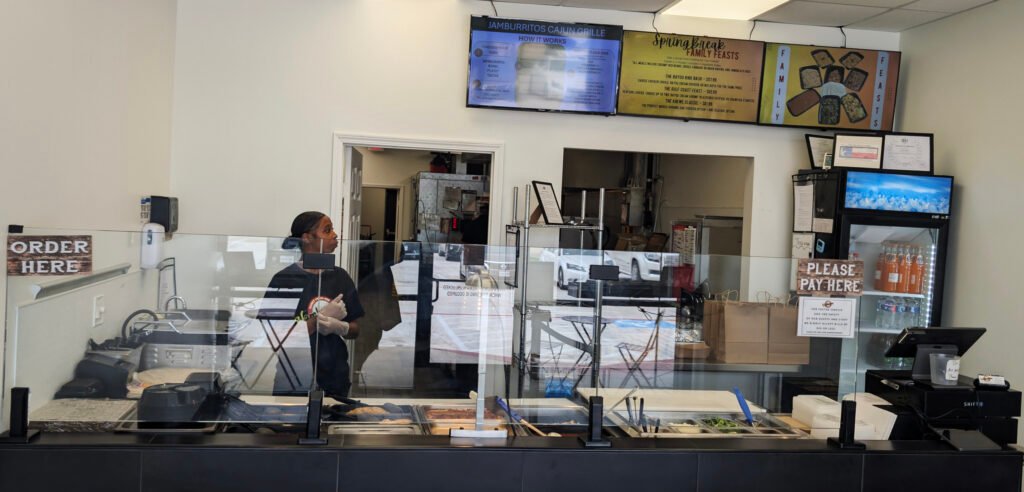
The result is a turnkey asset sale rather than a stripped-down closure. The location includes a nearly new, high-capacity kitchen that Brown designed himself, with a walk-in cooler, griddle, ovens, refrigeration, steam tables, prep space, ventilation, and other equipment that could support many kinds of food concepts.
The kitchen represents one of the things Brown knows he built well. So did the operating systems, visual training tools, staff coaching, and culture around hospitality. And he noted those assets still matter.
What remains
The final weeks made clear that Jamburritos had created a real connection with guests.
Brown says customers shared stories, praise, and disappointment when they learned about the closure. The reaction was meaningful because the restaurant had never been only about selling food. Brown viewed every service as a chance to make someone feel seen.
He often told his team that opening the restaurant was like preparing for a Broadway performance. “The curtains are down,” he would say as the team prepared. “But when the curtains go up, it’s showtime, baby!”
That spirit will not disappear when this location closes.
Brown said he doesn’t know exactly what comes next, and he is not pretending to. But the Jamburritos story is not necessarily over.
The food remains. Miracle Dust remains. The systems remain. The lessons remain. So does Brown’s desire to improve hospitality, whether through a future location, retail seasoning sales, consulting, training, or his Living Xtreme Hospitality concept.
This was not the outcome Brown hoped for when he opened in Pearland. But it is an honest reminder that a restaurant can have great food, strong reviews, loyal guests, a dedicated team, and real potential, yet still be unable to survive the economics in a given context.
For Brown, the closing is painful. It is the end of one version of Jamburritos, and the beginning of a more experienced next chapter.
The Jamburritos space is now available for someone ready to move in and take over. Opportunities to acquire a professionally built second-generation restaurant in one of Pearland’s premier retail corridors are rare. This asset sale allows an experienced operator to bring their own concept into an established restaurant space without the delays associated with a ground-up build or complete interior renovation.
Information at: https://www.bizbuysell.com/business-asset/turnkey-2nd-gen-restaurant-catering-fully-equipped-bring-your-own/2524394/