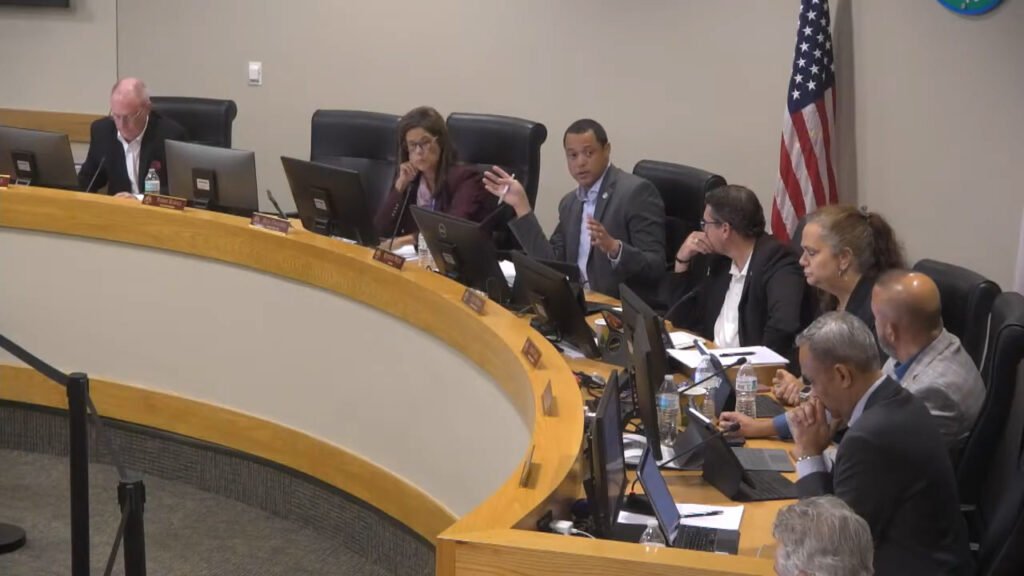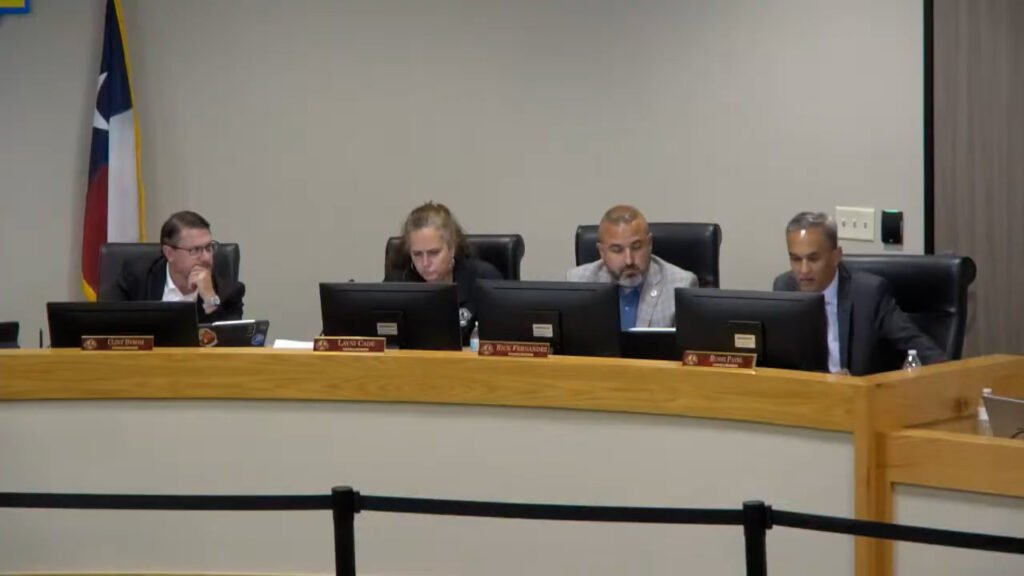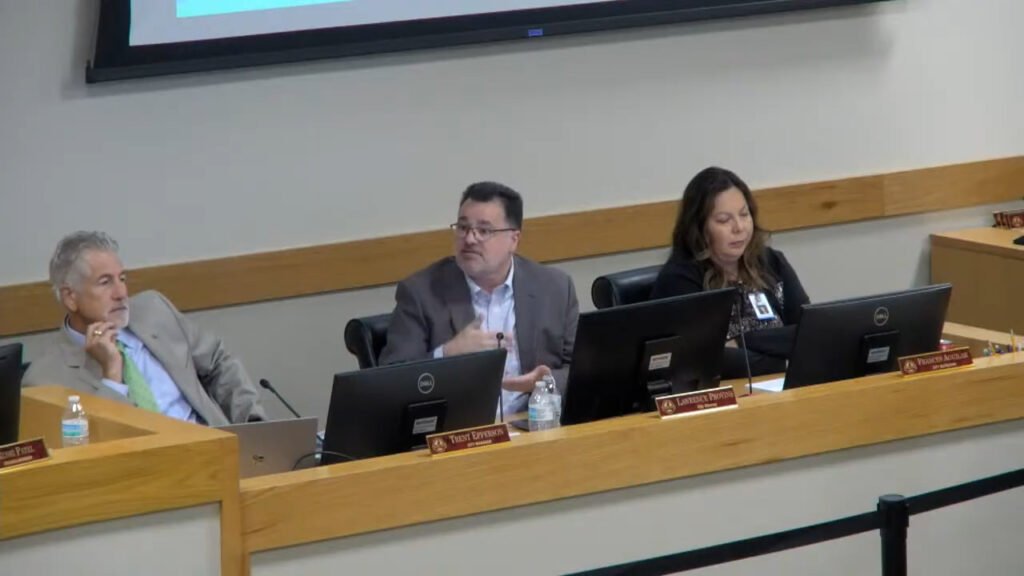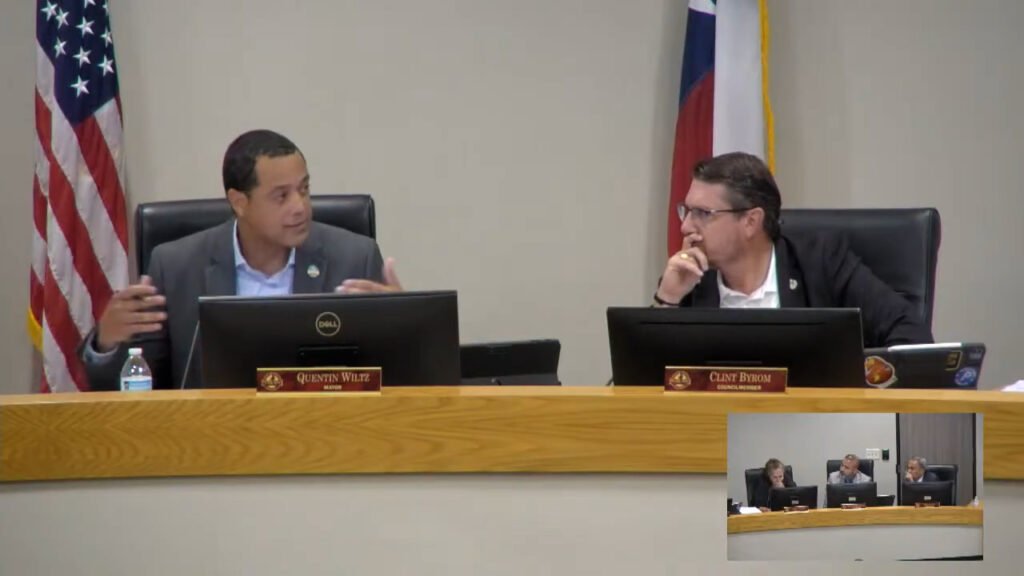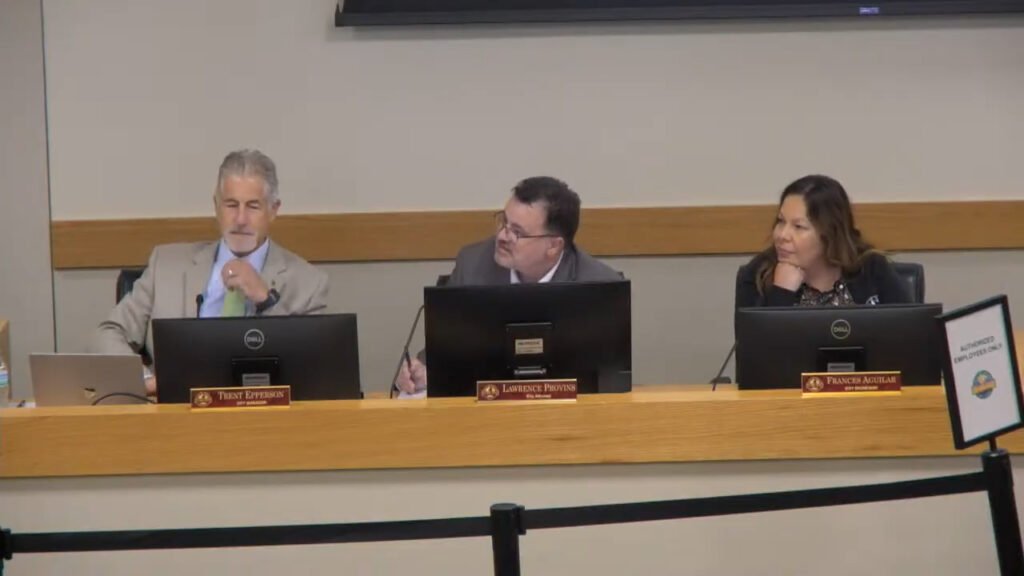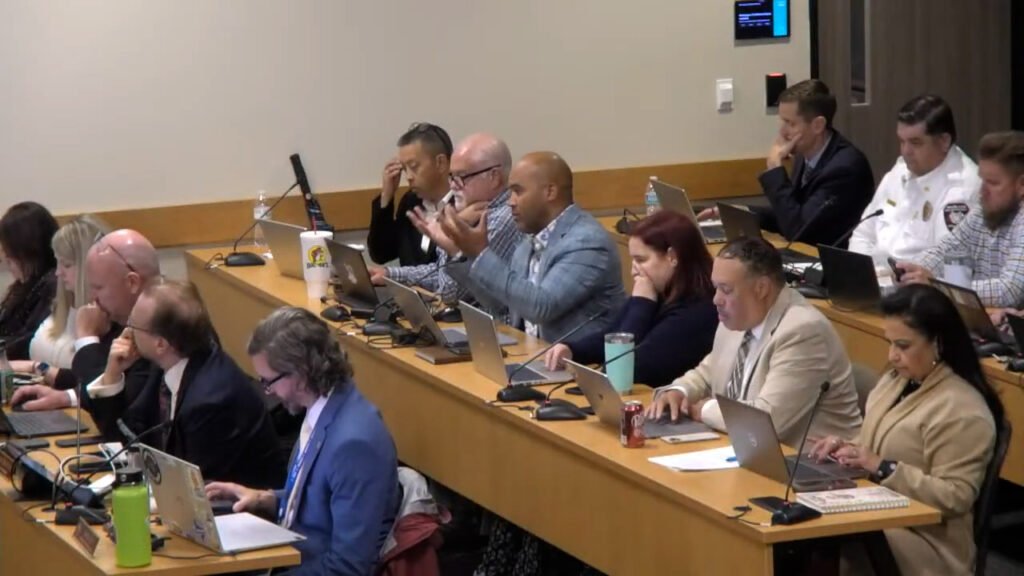
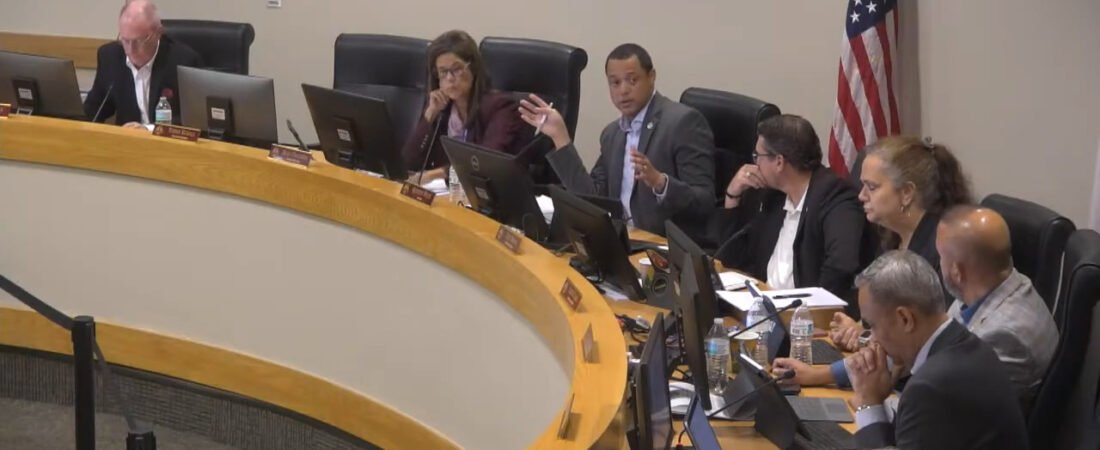
Pearland City Council voted 6-0 on August 10 to amend its rules, adopting a package of changes that alters how items reach the council agenda and how special meetings can be called, while stripping out one proposed change identified as conflicting with the City Charter.
What the Council Changed
The council was presented with the amendments in two parts: a set of staff-recommended changes and a longer list of council-requested changes compiled from input given at a prior meeting. The staff changes proposed moving the deadline for council supplemental submissions from noon to 10 a.m., adjusted the deadline for council agenda requests to align with a 2025 change to the Texas Open Meetings Act’s public-notice timeline, extended public comment time to accommodate translation services under state law, and updated a cross-reference in the rules.
The council-driven changes went further. They set a uniform 10 a.m. deadline for all submissions instead of mixed noon and 10 a.m. deadlines, established criteria for what counts as “best interest of the city” when weighing late agenda requests (legal, fiscal or public-safety risk, or council-directed priority), and required any two council members, rather than a single member, to request that an item be placed on the agenda.
The Special-Meeting Provision and the Charter Conflict
One proposed change would have amended the rule on calling special meetings from “the mayor or any two members of city council” to simply “any two members of city council,” effectively removing the mayor’s unilateral ability to call one. During discussion, the city attorney noted that City Charter Section 3.08 explicitly grants the mayor authority to call a special meeting, meaning the proposed rule change would conflict with the charter itself. Council agreed that because the charter already governs this authority, it should be handled by removing the topic from the council rules entirely rather than rewriting it in a way that contradicted the charter, and the council excluded this specific item from the final vote.
Council’s Rationale
Several council members described the changes as procedural consistency and “good governance,” arguing that requiring a second member’s support for agenda items reduces ambiguity and confusion that had arisen from prior meetings. Council Member Clint Byrom pointed to two recent examples as evidence that the existing rules had caused real problems for residents.
One was an HGAC-related item that led to a lengthy debate but no action, a decision being postponed until October. The other was an ETJ (extra territorial jurisdiction)/MUD (municipal utility district)/ESD (emergency services district) item placed on a recent agenda that led to confusion among residents outside city limits, some of whom believed they were being considered for annexation. Those residents showed up and spoke during public comment under that impression, when the item was actually about emergency services district agreements, not annexation.
Byrom and other council members pointed to that miscommunication as an example of why a single member placing an item on the agenda, without another member’s input or a second, can create confusion for the public before an item is even fully vetted. Council Member Patel added that requiring a second on any agenda item “is a matter of good governance across the board,” reflecting distributed oversight among the seven-member body.
Mayor Wiltz objected to the changes, saying they specifically targeted the mayor’s role and altered “the intent of the charter” without a broader strategic discussion about how the city should move forward. He argued that the items he placed on recent agendas were discussion items, not action items, and said he had consulted council members and staff beforehand, including the city manager and city attorney on the HGAC workshop and the ETJ/MUD/ESD item, and that neither required prior council consensus under existing rules. He characterized the overall package as “overreach” and said he felt the changes were being made without clarity on how they would better serve residents. Wiltz then suggested the council table the vote for further discussion at a later date.
Final Vote
After further debate, council approved a motion to amend the rules to include the council-proposed changes with the exception of the special-meeting provision flagged as conflicting with the charter, passing 6-0, and then adopted the full amended rules package by the same 6-0 margin. Council Member Echols was absent for the meeting.
The agenda and full video of the meeting is available online through the City of Pearland’s website at: https://pearlandtx.civicweb.net/Portal/MeetingInformation.aspx?Org=Cal&Id=13456