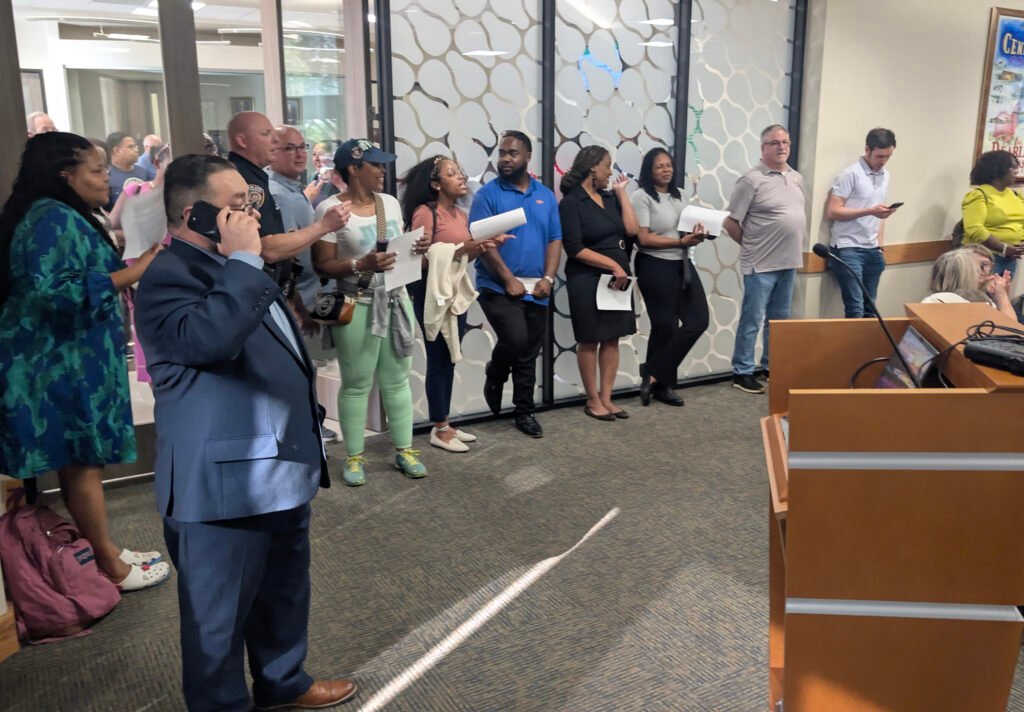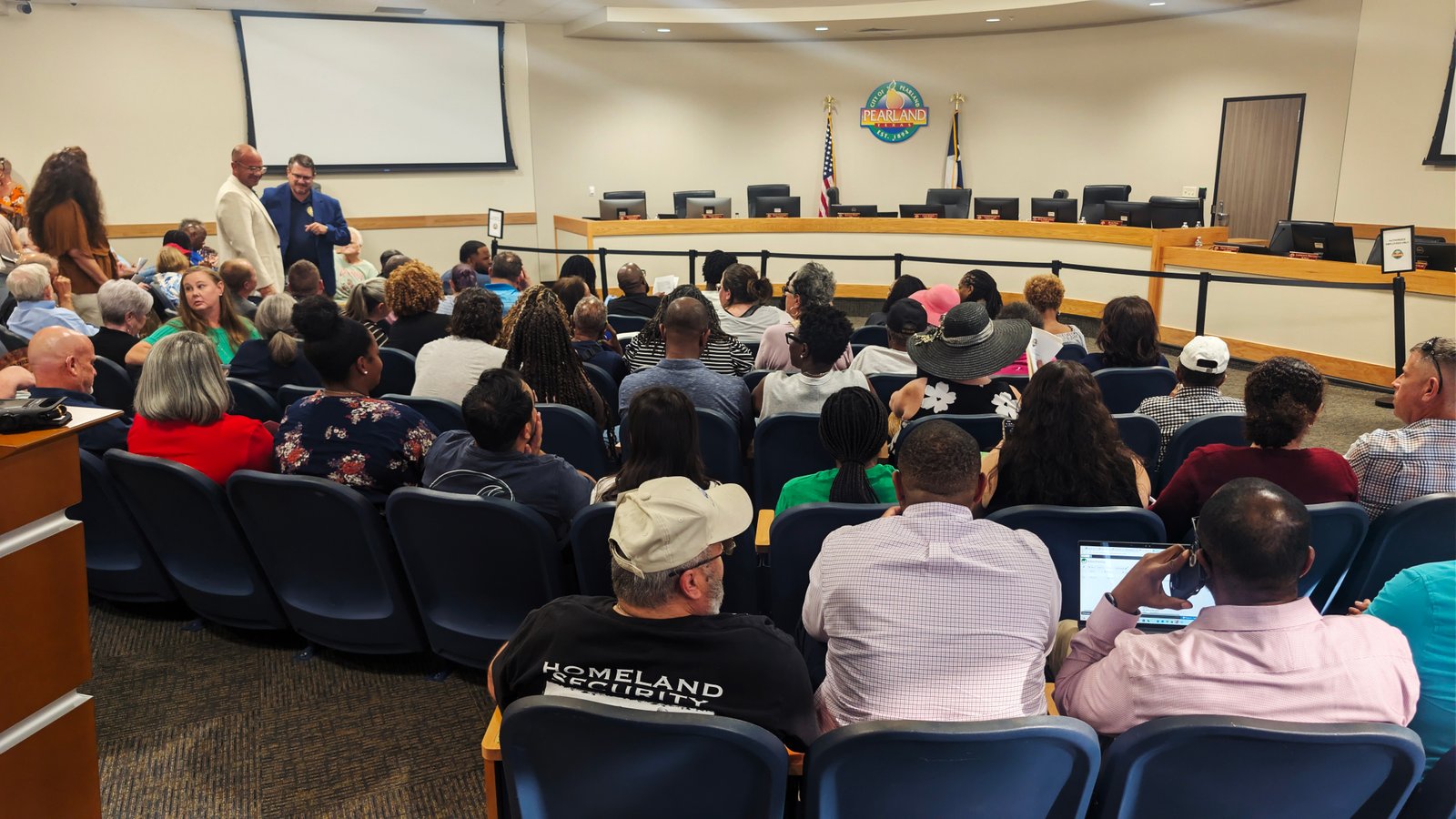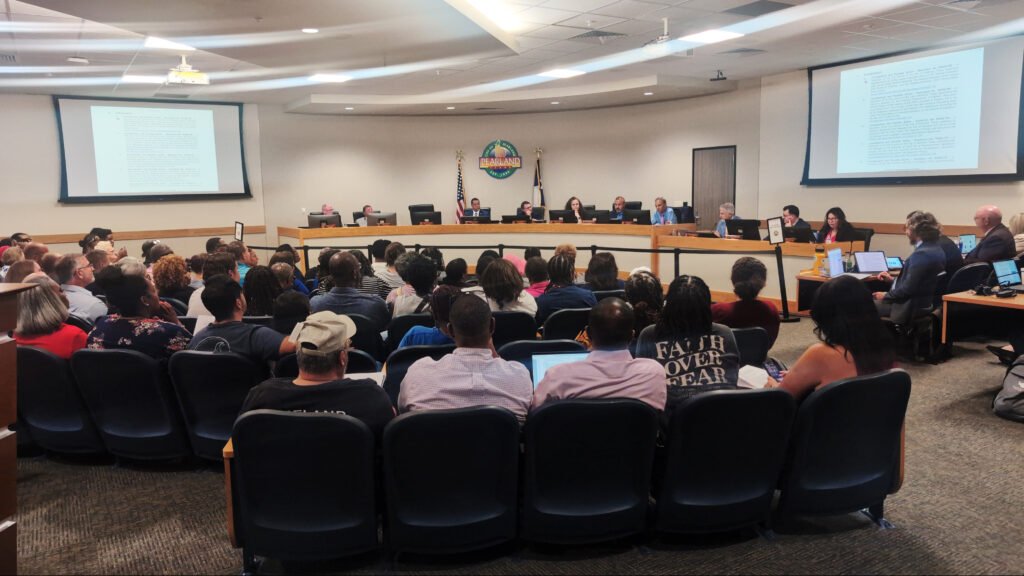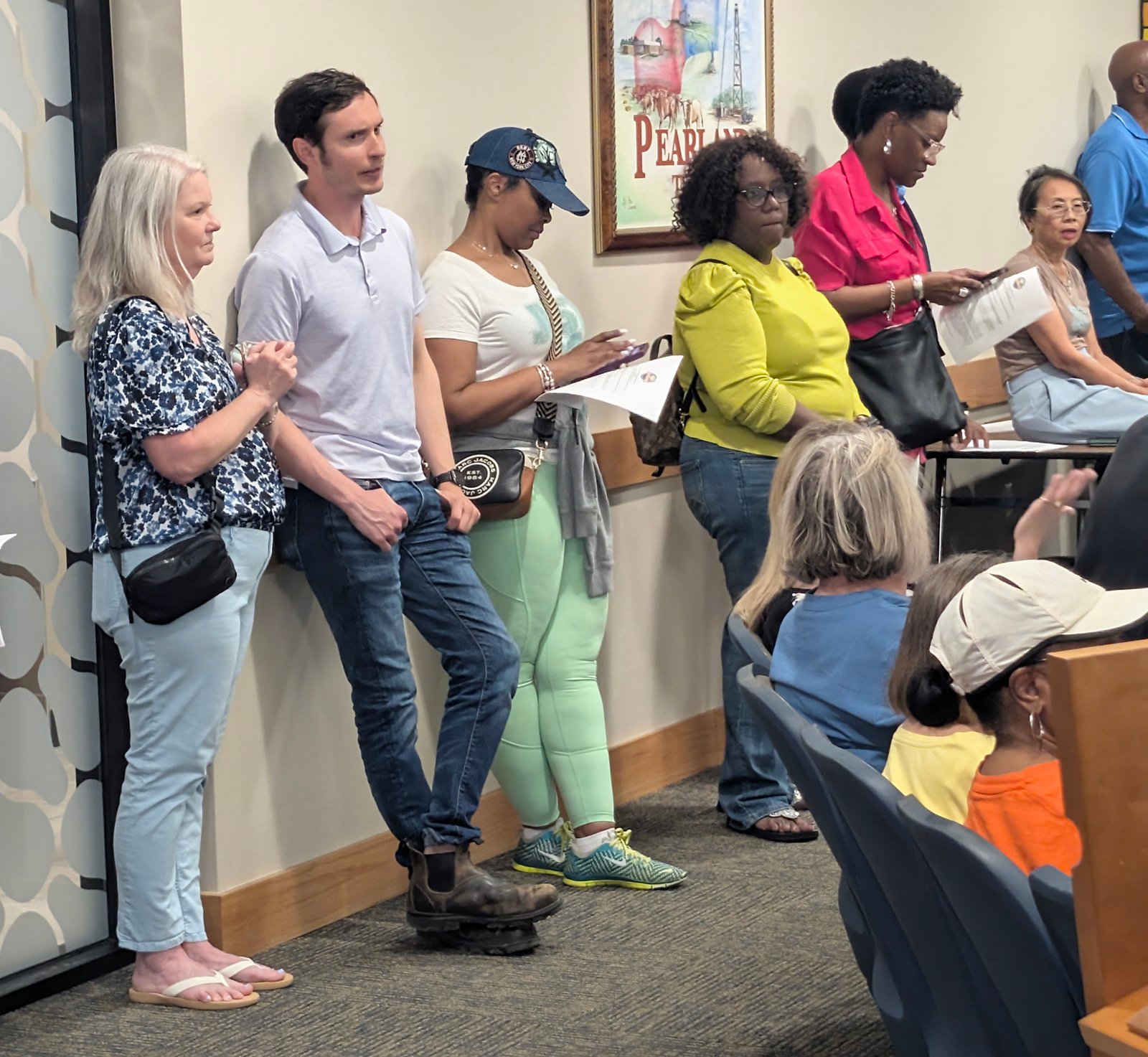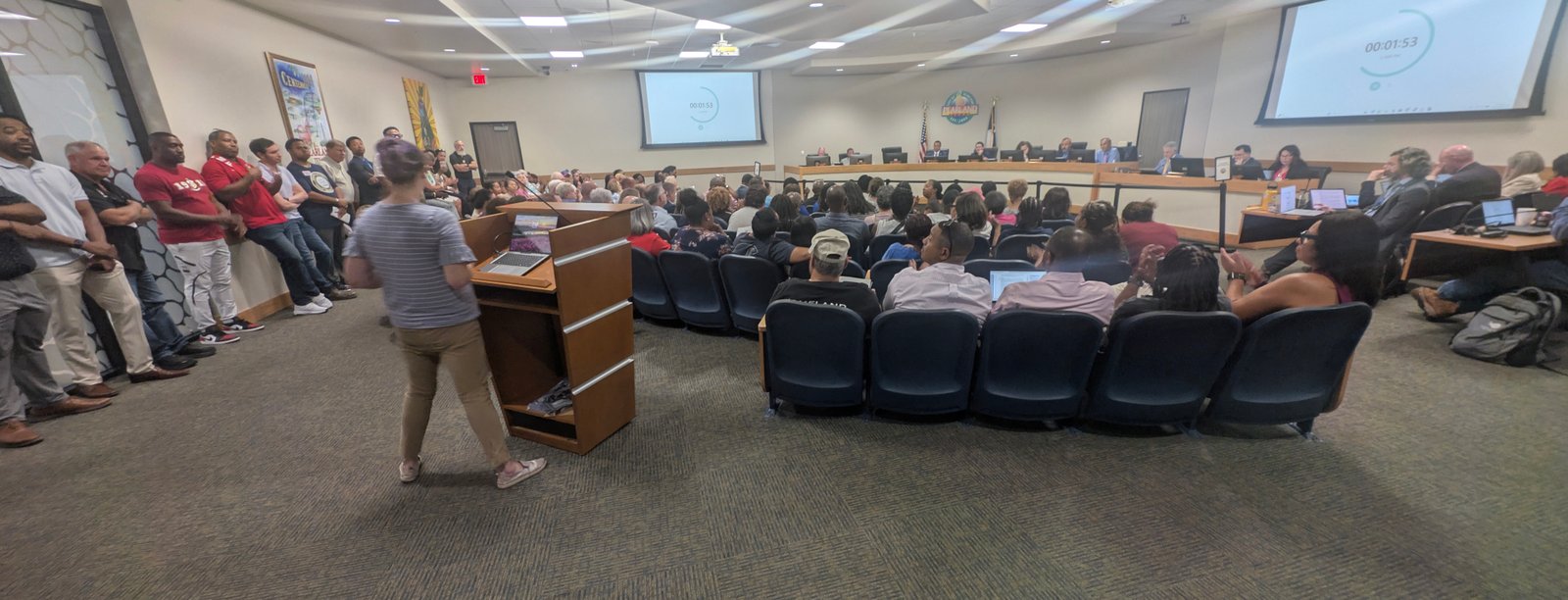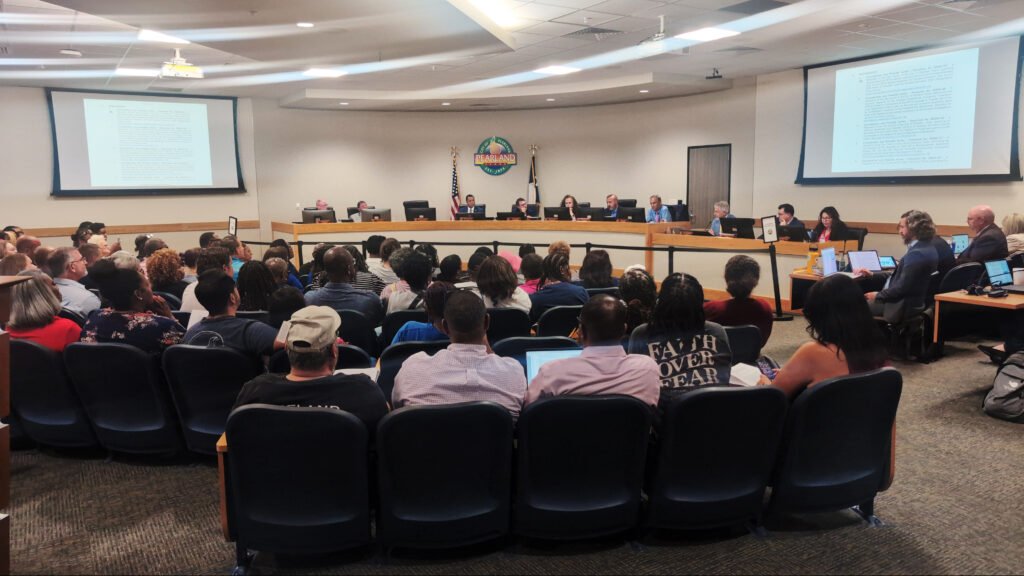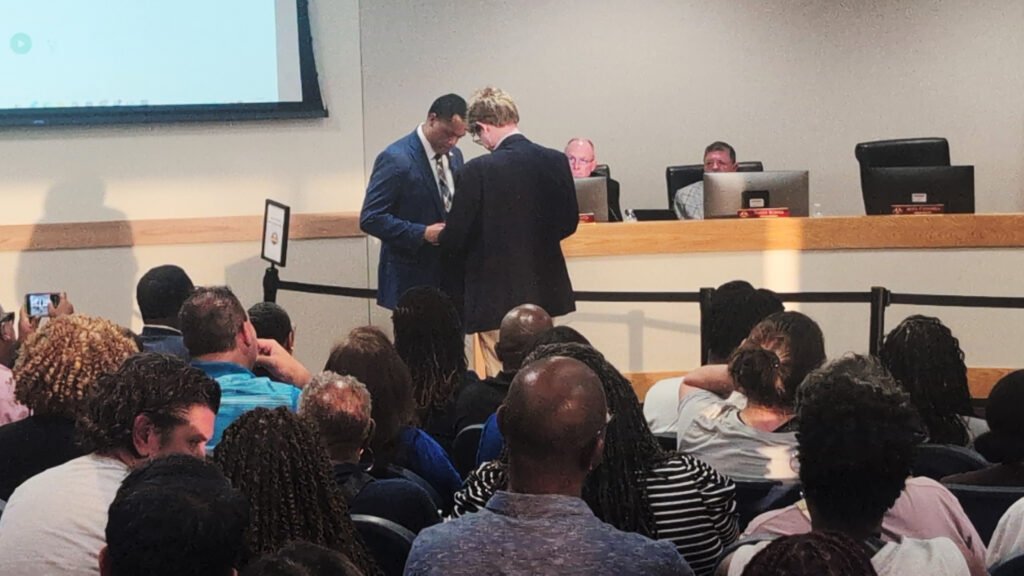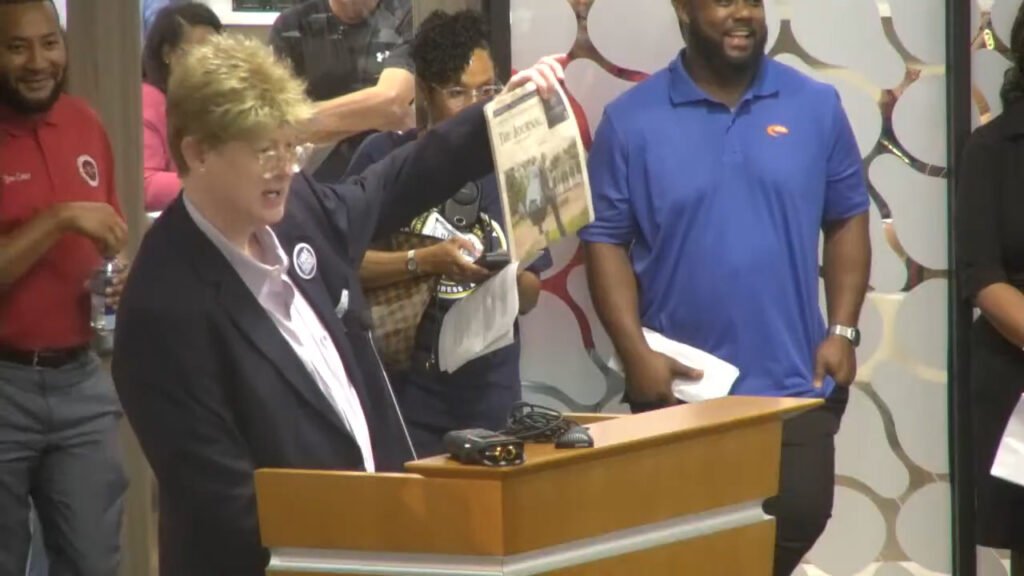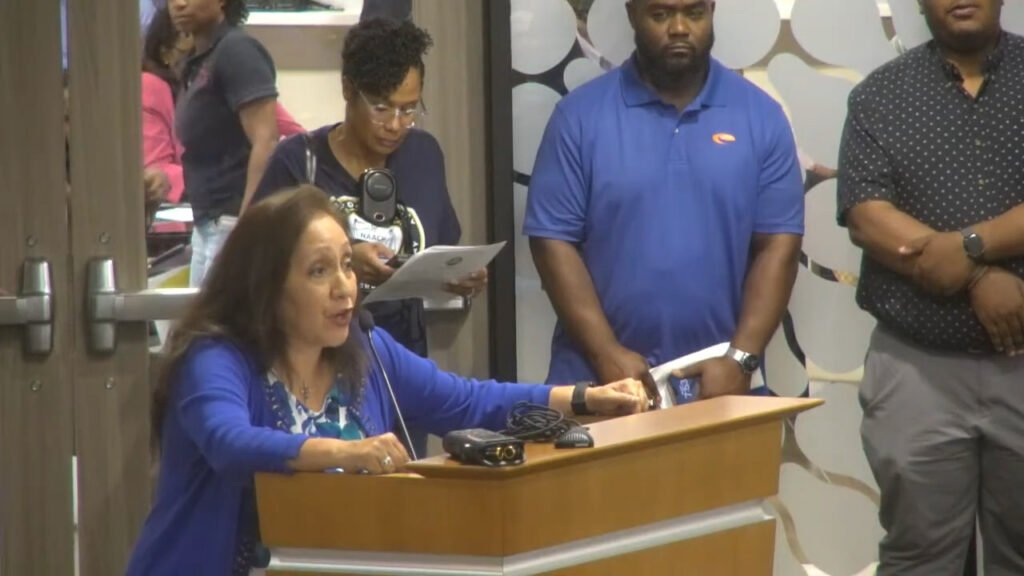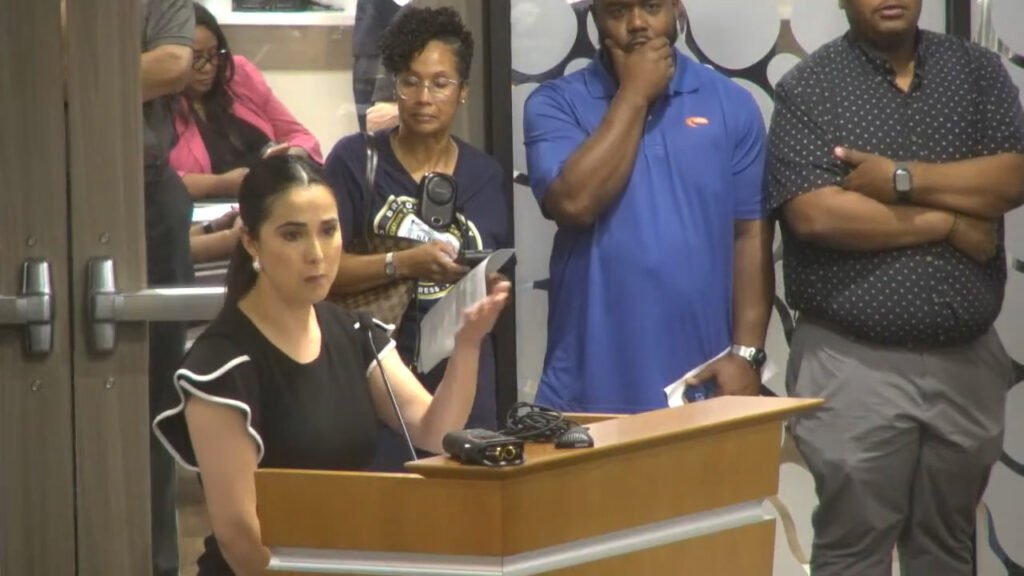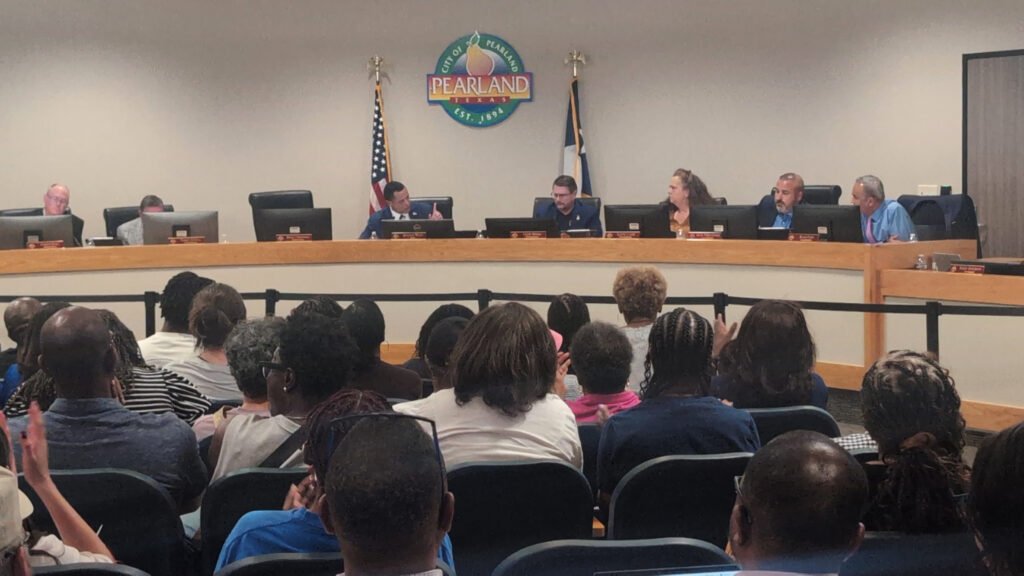
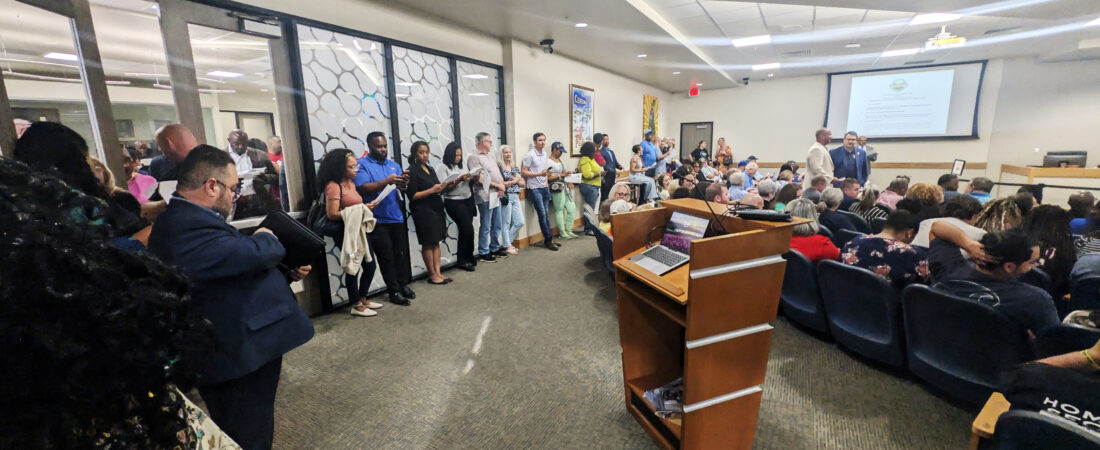
At Monday’s City Council meeting the room was packed, with every seat filled and people lining the walls. Even more residents crowded into the lobby to watch on overflow screens. The air felt warm and close, the low buzz of conversation giving way to quiet tension as neighbors waited to see how the council would handle the decision about Pearland’s voice in regional planning.
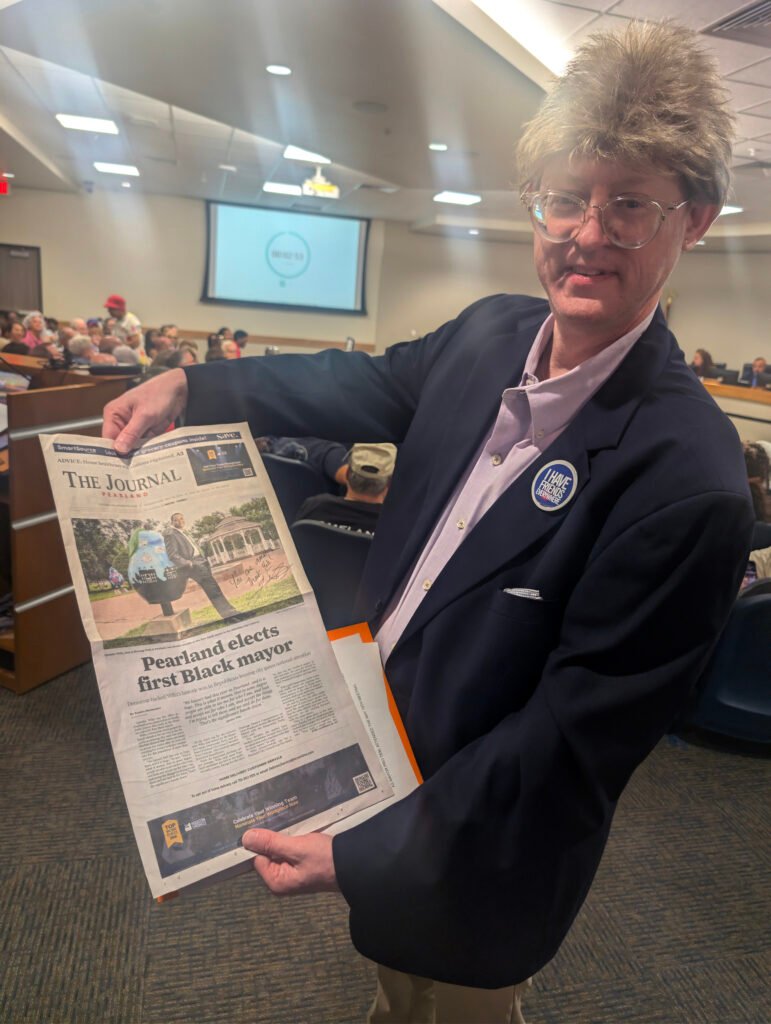
From the opening gavel, it was clear this would not be a typical Monday night meeting. Residents, community leaders, and supporters of Mayor Quentin Wiltz turned out in large numbers. Many had signed up to speak or came simply to watch local government at work on a question that, while procedural on paper, carried real weight.
At the center of the evening was a vacancy tied to the Houston Galveston Area Council, commonly known as H-GAC, and its Transportation Policy Council. These regional bodies bring together cities and counties from across the area to coordinate on transportation, infrastructure, economic development, and long term planning. For years, Pearland has been represented there by its sitting mayor, a tradition many in the room urged the council to continue.
What’s at Stake
The vacant seat opened when former Mayor Kevin Cole concluded his service as mayor. Under previous councils, Pearland’s mayor has typically served as the city’s primary representative at H-GAC and on the Transportation Policy Council, with another council member designated as an alternate. Speakers throughout the night argued that practice gives residents a clear, recognizable voice in regional decisions.
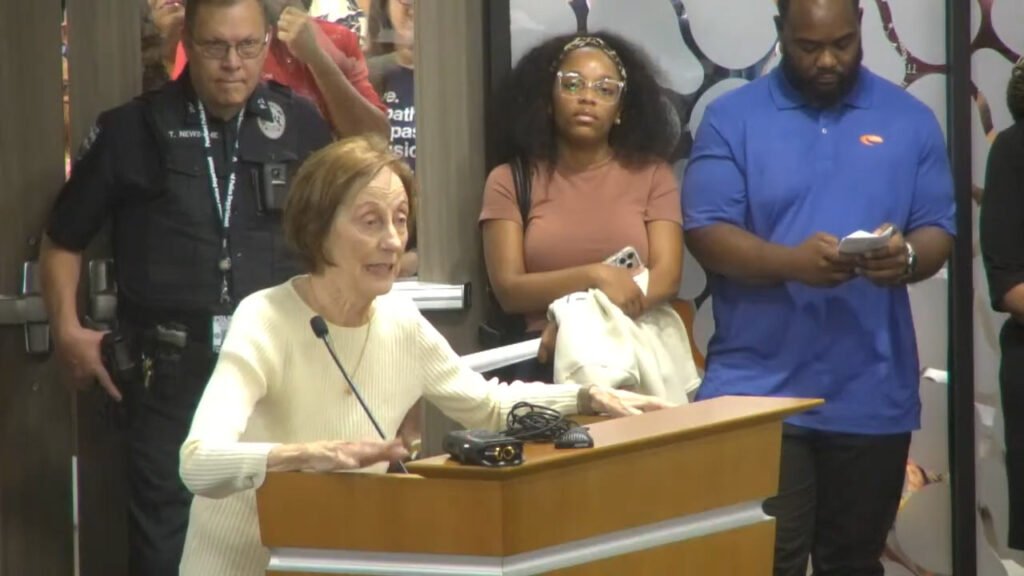
“Just a few weeks ago, the voters of Pearland elected a mayor to represent our city,” resident Adrienne Bell told council. She asked members to appoint Mayor Wiltz to fill the unexpired terms on the H-GAC General Assembly, the H-GAC Board of Directors, and the Transportation Policy Council, calling those posts “opportunities for Pearland to have a strong voice in regional decisions that affect our roads, our mobility, our growth and our quality of life.”
Others echoed that theme and pointed to continuity noting that longtime former mayor Tom Reid represented home rule cities at H-GAC for decades, and former Mayor Kevin Cole continued that pattern during his tenure. One speaker, Mateo Tobin, noted that Cole’s last Transportation Policy Council meeting was April 21, with then Mayor Pro-Tem Clint Byrom served as alternate at the May meeting, and urged council to keep the “upright noble tradition” of having the mayor and mayor pro-tem in those roles.


Residents Speak in Support of the Mayor
One after another, residents and regional partners stepped to the podium to ask council to appoint the current mayor.
“In Pearland, when regional tables for transportation, infrastructure, economic development and long term planning discussions are held, it makes absolute sense that our highest elected official should be the person speaking on behalf of Pearland,” Bell said, adding that the mayor “was elected citywide and carries a mandate from the voters to represent Pearland’s interests.” She closed with a direct request: “The mayor should not have to pass a litmus test from council. He already passed ours.”
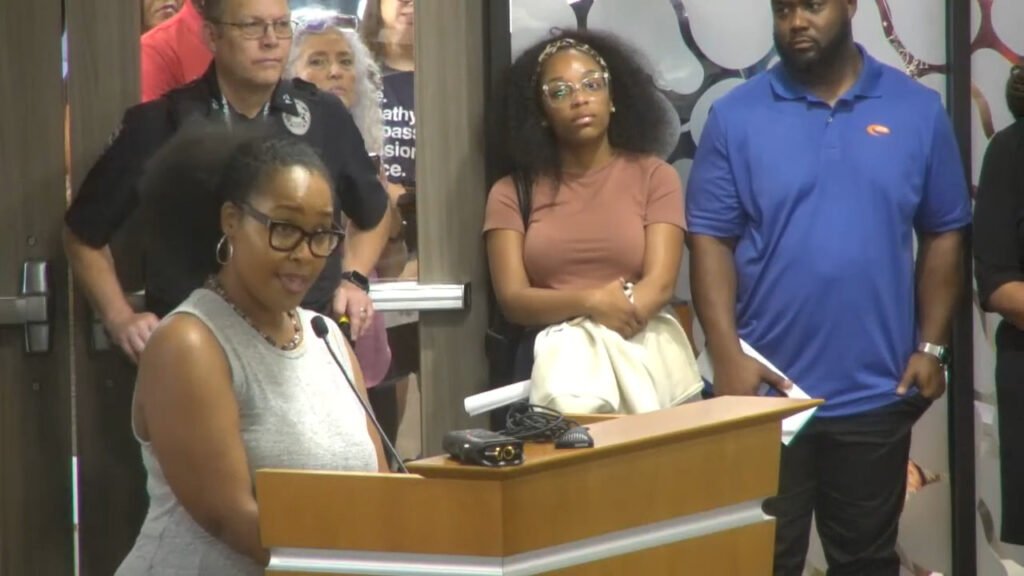
Tobin, a Southdown resident, framed his request as both practical and rooted in precedent. He reminded council that former mayors had “historically and typically” served on these regional bodies and asked members to continue that pattern by naming Mayor Wiltz as representative and the mayor pro-tem as alternate.
Support also came from outside city limits. Mercedes Sanchez, speaking on behalf of Harris County Precinct 2 Commissioner Adrian Garcia, read a letter into the record urging Pearland to appoint Mayor Wiltz to both H-GAC and the Transportation Policy Council. Garcia’s letter described it as “customary for cities to be represented on the TPC by their mayor, ensuring that the community’s chief elected official has a direct voice in shaping transportation policy and investment decisions” and praised the value mayors bring to regional collaboration.
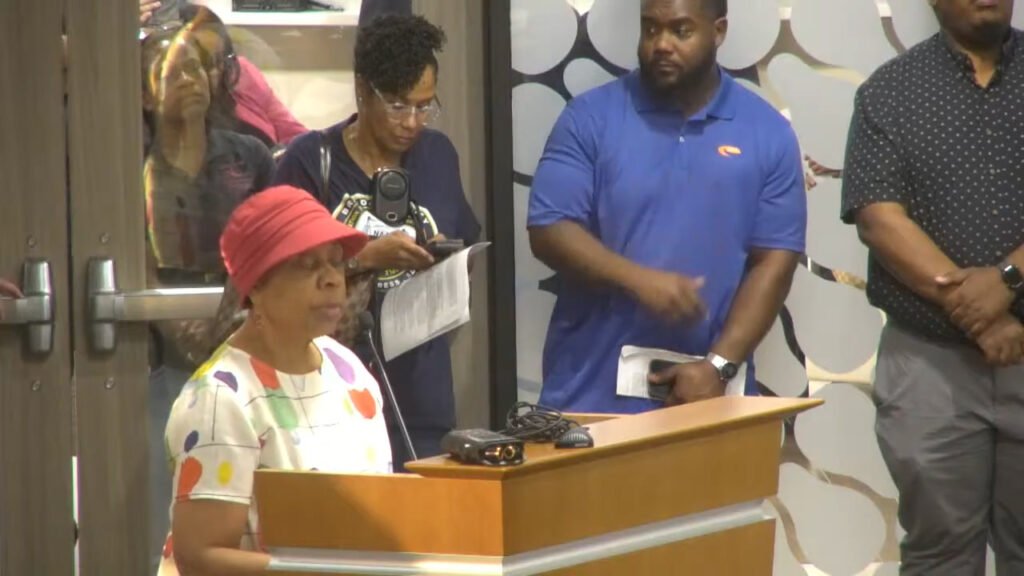
Several residents focused on both experience and history. Demetria Watson told council she supported having the mayor and mayor pro-tem serve because “it has always been this way” for roughly 30 years and said she saw “no reason to change” given the mayor’s qualifications and leadership background.
Council Discussion and a Decision to Wait
After public comment, council turned to its own discussion of the appointments. While the evening’s testimony pressed for a decision that night, the dais conversation centered on timing, process, and the wider set of board and committee assignments council makes each year.
The debate on the dais mirrored the energy in the room and at times grew heated, with pointed exchanges and personal frustration surfacing as members laid out competing views on how and when the appointment should be made. Some argued that following past practice and naming the mayor now would honor the recent citywide vote and provide clear representation at the regional table. Others pressed for waiting until the usual October cycle, framing the delay as a matter of process, workload, and reviewing all board and committee assignments together. What emerged was less a disagreement over whether Pearland should be fully represented at H-GAC and more a public dispute over timing, precedent, and who should ultimately carry the city’s voice in those regional discussions.
Council members noted that these regional positions are typically considered as part of a broader slate of appointments in October. Rather than making a single appointment in the middle of that annual cycle, discussion favored revisiting the H-GAC and Transportation Policy Council seats when all committee assignments are normally reviewed.
In the end, council chose not to break with its usual appointment calendar. The vote left the H-GAC seat unresolved for now, with members agreeing to take up the question again in October. For residents in the chamber and in the lobby, that meant going home without a clear answer on who will represent Pearland at the regional table, but with a public record of both the strong support voiced for the mayor and the council’s decision to keep the timing of appointments aligned with prior practice.
In Their Own Words
The following are quotes from residents and regional leaders who spoke at the meeting. Their full comments are in the video above.
“Just a few weeks ago, the voters of Pearland elected a mayor to represent our city. When Pearland sits at regional tables for transportation, infrastructure, economic development and long term planning, it makes absolute sense that our highest elected official should be the person speaking on behalf of Pearland. These appointments are opportunities for Pearland to have a strong voice in regional decisions that affect our roads, our mobility, our growth and our quality of life. The mayor was elected citywide and carries a mandate from the voters to represent Pearland’s interests. The mayor should not have to pass a litmus test from council. He already passed ours. The voters of Pearland elected him to represent this city, and I ask that you honor that choice by appointing Mayor Quinton Wiltz to these positions.”
– Adrienne Bell, Pearland resident
“Pearland has historically and typically selected its mayor to serve on these bodies. Long time former mayor Tom Reid represented home rule cities there for decades, and former Mayor Kevin Cole continued doing that during his tenure. With respect for your honors, I ask two things tonight: that council maintain the upright noble tradition Pearland has long held, if they are so willing, our mayor and mayor pro-tem to serve as our representative delegates and alternates to these regional bodies.”
– Mateo Tobin, Pearland resident
“I am writing to respectfully encourage the City Council to appoint Mayor Quinton Wiltz to represent the City of Pearland on the Houston Galveston Area Council and to the Transportation Policy Council. It has long been customary for cities to be represented on the TPC by their mayor, ensuring that the community’s chief elected official has a direct voice in shaping transportation policy and investment decisions. Regional collaboration is essential as we work to address growing infrastructure and mobility needs across the Houston Galveston region. Mayor Wiltz brings significant professional and leadership experience to the role. His background in managing complex projects, budgets and strategic initiatives, combined with his commitment to public service, would provide a valuable perspective to the council’s transportation planning efforts. I respectfully ask the Pearland City Council to appoint Mayor Wiltz so that Pearland may continue to have strong executive level representation in the regional decisions that will shape the future of transportation and infrastructure in our region.”
– Excerpt from a letter by Harris County Precinct 2 Commissioner Adrian Garcia, read by Mercedes Sanchez
“The reason that I think we should go forward with our mayor and the pro-tem being on these councils is because it has always been this way, has been this way for how many years, I think about 30. And our mayor is qualified. Our mayor has experience. Why would we change now? I strongly urge you to continue as we have done historically for these positions. I see no reason to change.”
– Demetria Watson, Pearland resident
Town Halls, Listening Sessions, and Residents Being Heard
Beyond the H-GAC appointments, council also spent time discussing how and when the city gathers input from residents on complex issues. In a separate portion of the meeting, members talked through the pros and cons of large, city hosted events versus smaller listening sessions spread out over time.
Several council members expressed concern about relying on a single, large town hall near the start of the school year, noting that families, working parents, and others might struggle to attend at one set time and place. Others spoke in favor of scheduling multiple, smaller gatherings where residents could share feedback, paired with a larger meeting later in the year once that input has been collected and key panelists confirmed.
City staff outlined a possible framework in which an initial event would focus on specific legislative issues if key regional representatives could attend, with additional sessions to capture questions and concerns from residents who could not be present. Staff also emphasized the importance of collecting unanswered questions, responding after the fact, and sharing information broadly, not only with those in the room.
Throughout the discussion one theme was consistent: there is strong demand from residents to be heard with more than the standard, legally required notice in the newspaper of record. The debate on town halls and listening sessions reflected a shared goal of expanding access to those conversations, even as council and staff work to determine the most practical ways to move forward.