Big changes are coming to Food Truck operations in Texas on July 1, 2026. Texas House Bill 2844 created a single statewide operating permit to be issued by The Texas Department of State Health Services (DSHS). Instead of getting separate health permits in each city or county, food truck owners will be able to operate anywhere in Texas with one state-issued license, though local fire codes and zoning still apply.
For two owners in the Pearland and Houston area, the outlook is mostly positive. Jessica Garay, owner of Snowie Texas, and Brittany Hindman, owner of Houston’s Pink Box, run similar mobile food service businesses. And both describe the current system as expensive, repetitive, and difficult to manage.
Snowie Texas Sees More Freedom Ahead
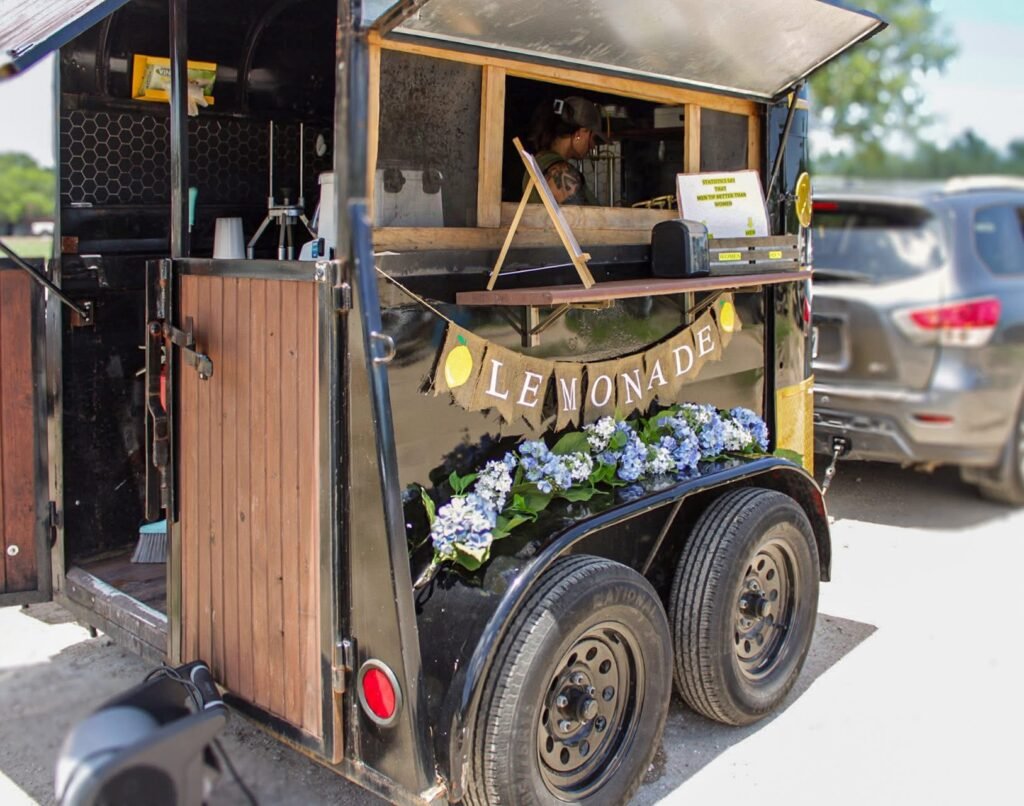
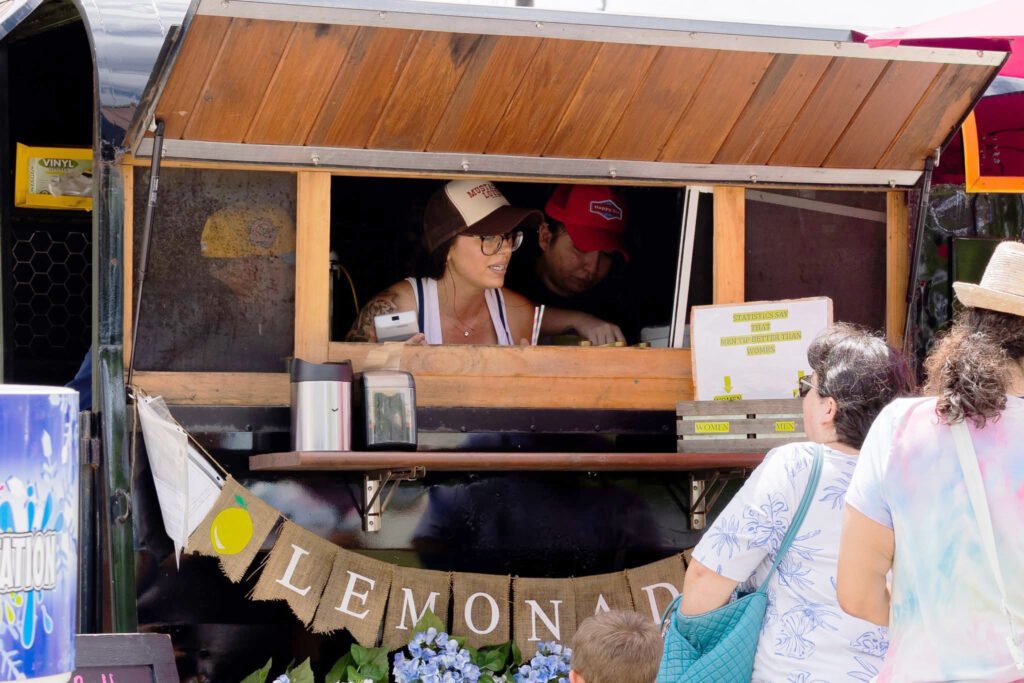
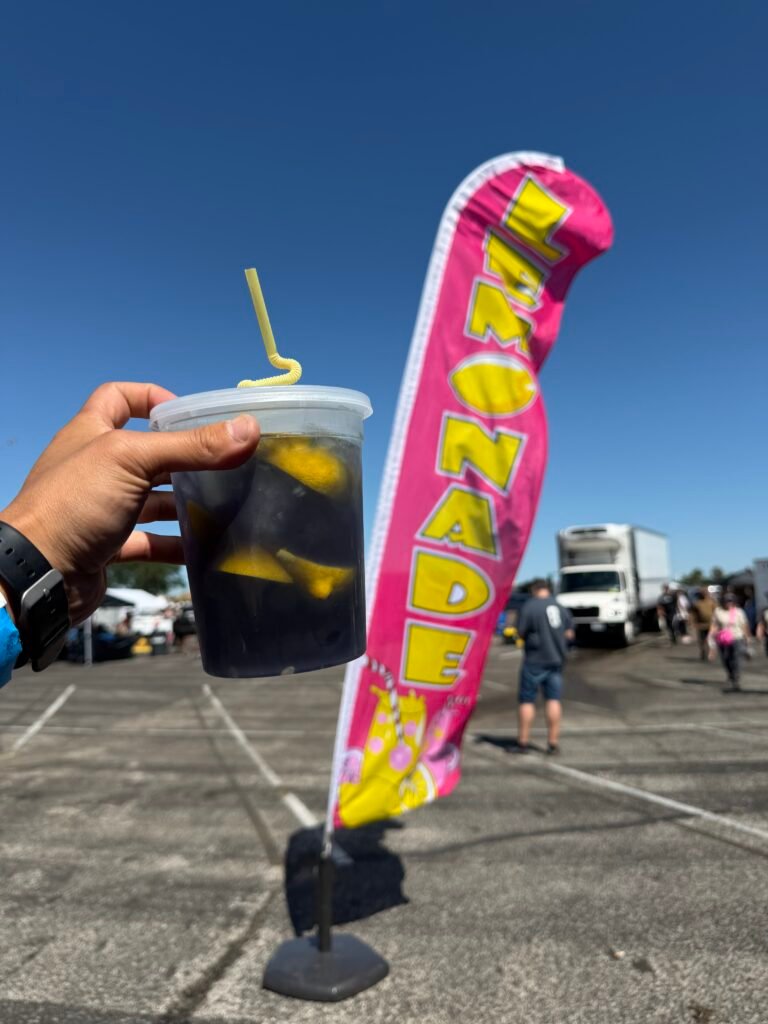
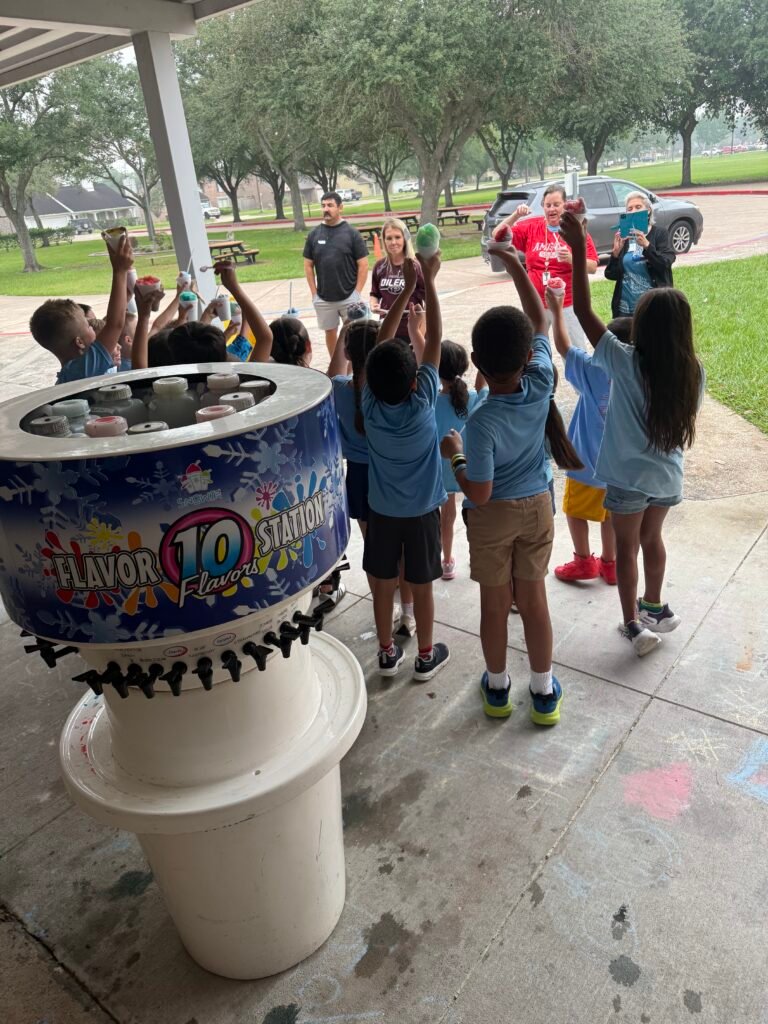
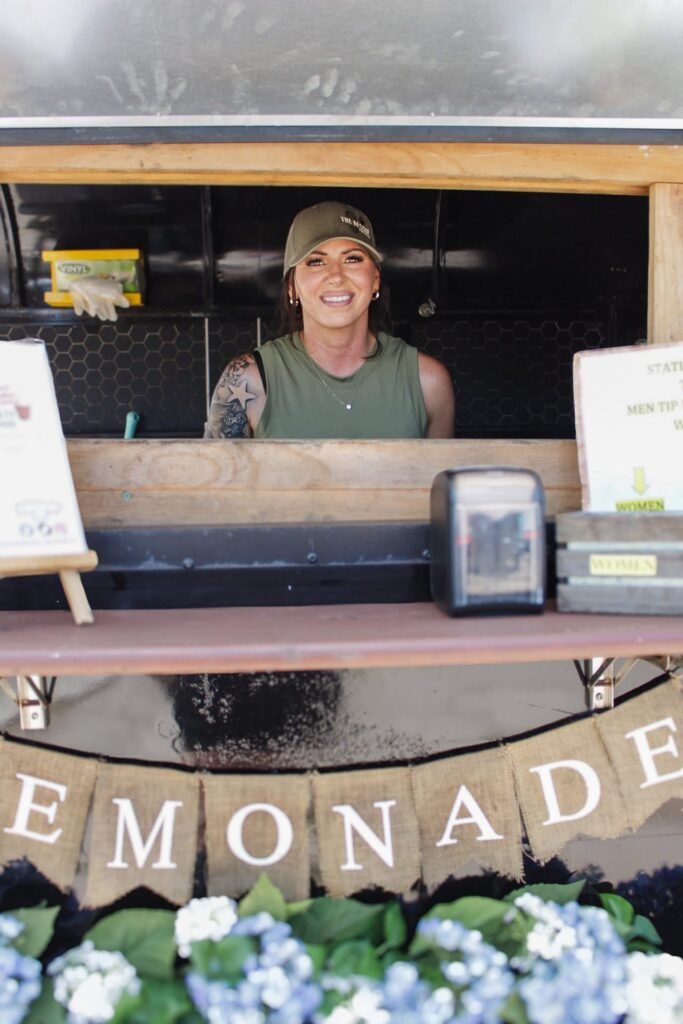
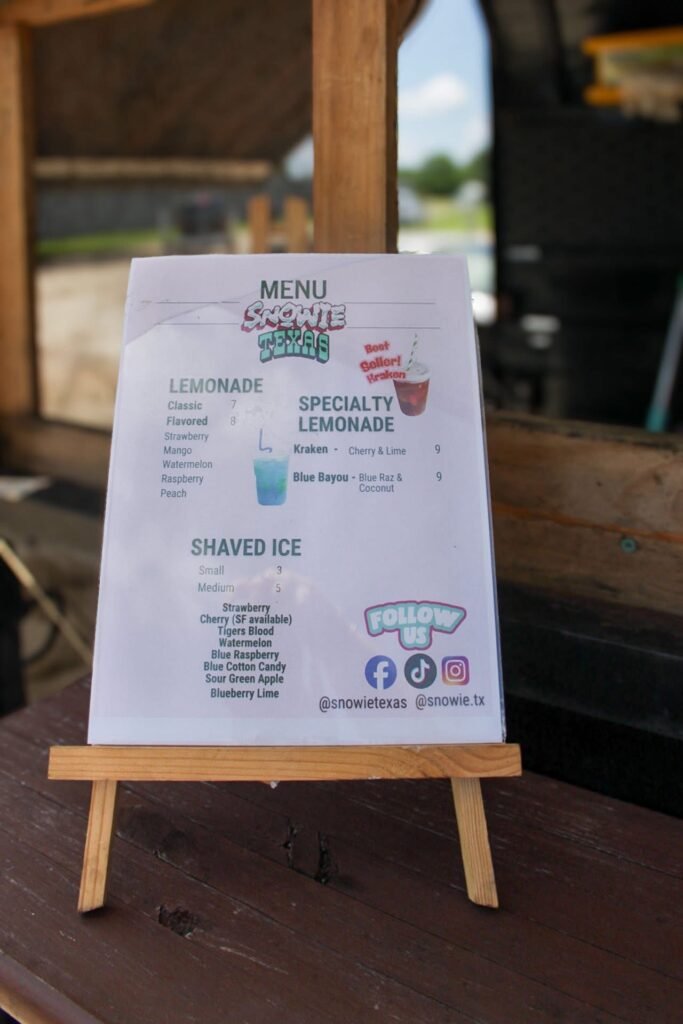
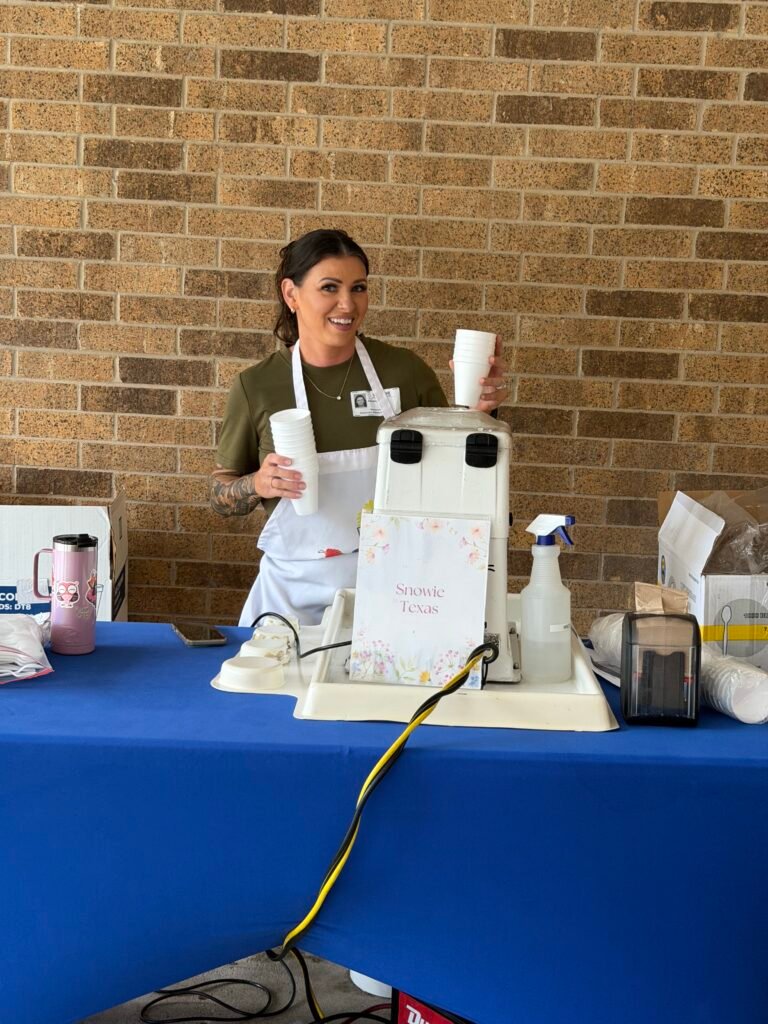
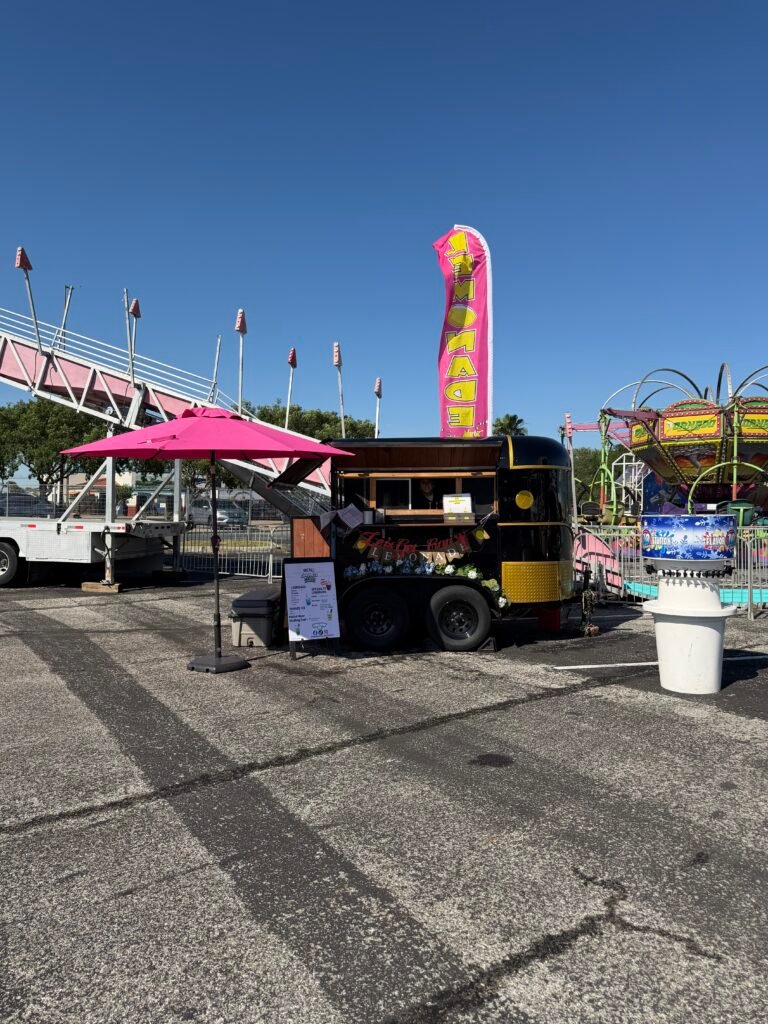
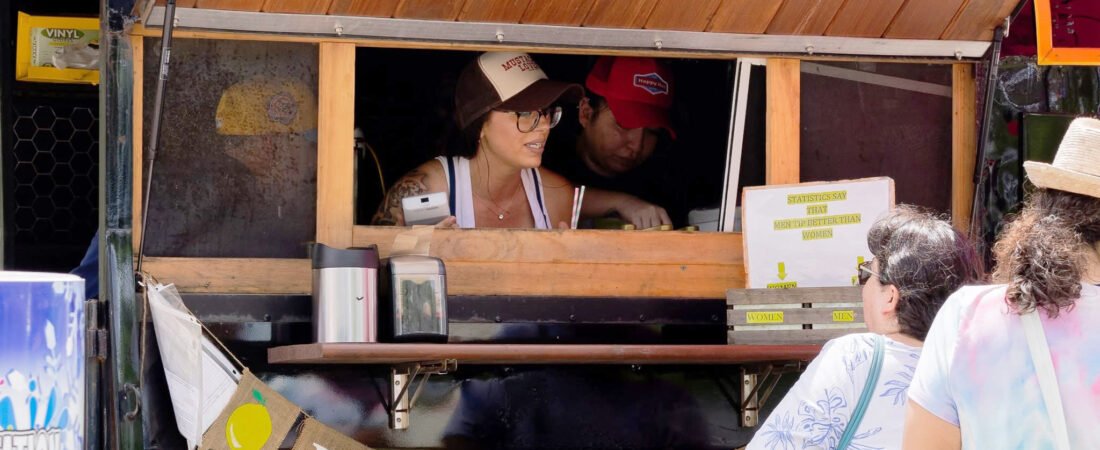
Snowie Texas is a mobile drink and dessert business that started with shaved ice and later added fresh lemonade and dirty sodas. The company began as a tent set-up and grew into a trailer. Much of Garay’s business revolves around showing up to regularly at area events. When she first heard about the new law, she exclaimed, “I couldn’t wait!”
Garay said her trailer is currently permitted for Pearland only. If she wants to work events outside Pearland she has to get a temporary permit in each place she goes, and those permits vary by city or county, and by the length of the event. The cheapest she has paid is $35 dollars and the highest has been $75 dollars per event, just for the temporary local permit for a few days at most. Her annual Pearland permit cost is just $250 dollars. But there are often additional vendor fees in addition to application costs and a patchwork of local regulations and requirements to understand before applying. Some you have to apply for in person, by advance appointment.
Her frustration shapes how she looks at the new system. Garay said the state now offers three license tiers, and she expects Snowie Texas to land in the middle tier. She described that category as covering businesses like fresh lemonade, coffee, hot dogs, and shaved ice that prepare items for immediate consumption. According to Garay, that tier carries a $618 dollar application fee and about $400 dollars in pre-licensing costs.
But she sees the change as worth it because it could create more flexibility. Rather than being tied so closely to one city, Garay said she has been thinking about finding a more regular setup in another community. Pearland does not allow that kind of setup unless it is tied to a special event, so any more permanent arrangement would likely have to happen somewhere else.
That does not mean every problem goes away. Garay said local zoning, parking rules, and approved locations will still matter. She also expects inspections to continue for each event, with local officials regularly inspecting trucks wherever they are operating.
What she wants most is consistency. “I do hope the local health departments will have a standard requirement for every truck, that is well communicated and streamlined” Garay expressed.
Beyond her own operation, she said the feedback she hears from other vendors is mixed, but leaning positive. “Some people don’t want to do it,” she said. “But I think for the most part, what I’ve came across is that people are excited for it and want this.”
Her view is optimistic. “I’m really excited,” Garay said. “When I heard about it a little over a year ago, I was really excited for it. I’ve been waiting anxiously since then, and now it’s coming up. And so I’m ready for it!”
Old System Cost Time and Money
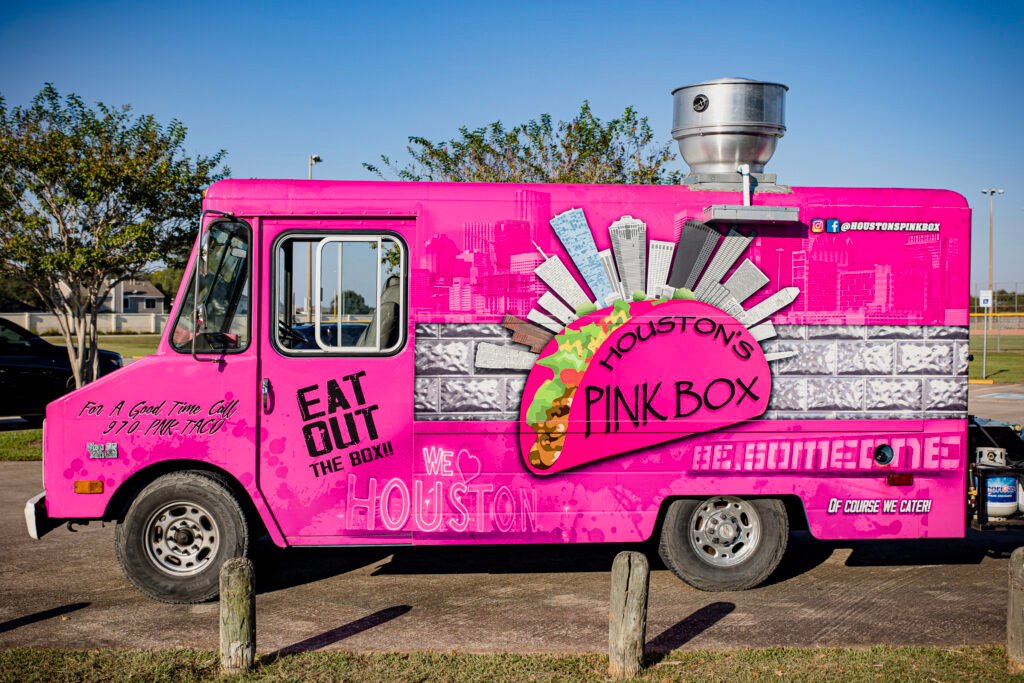
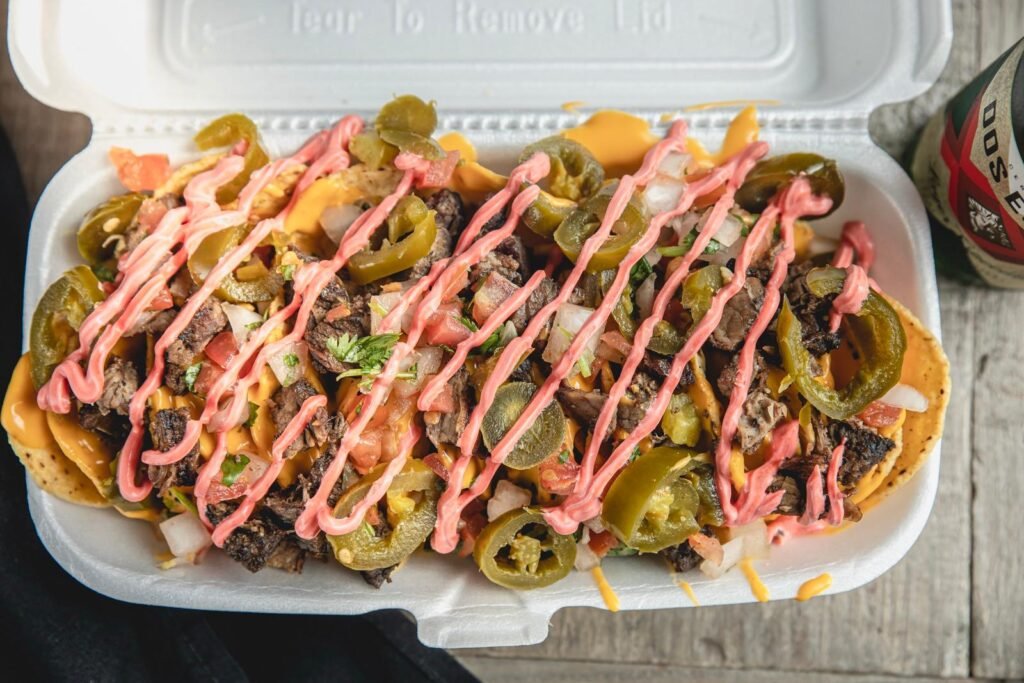
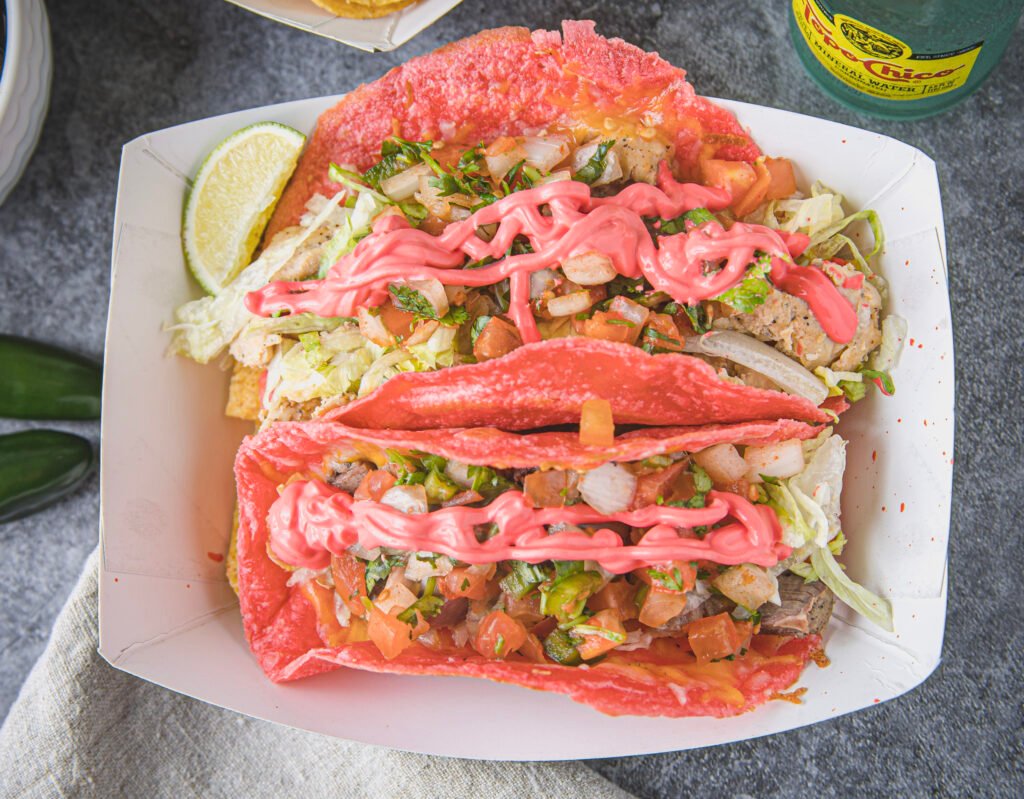
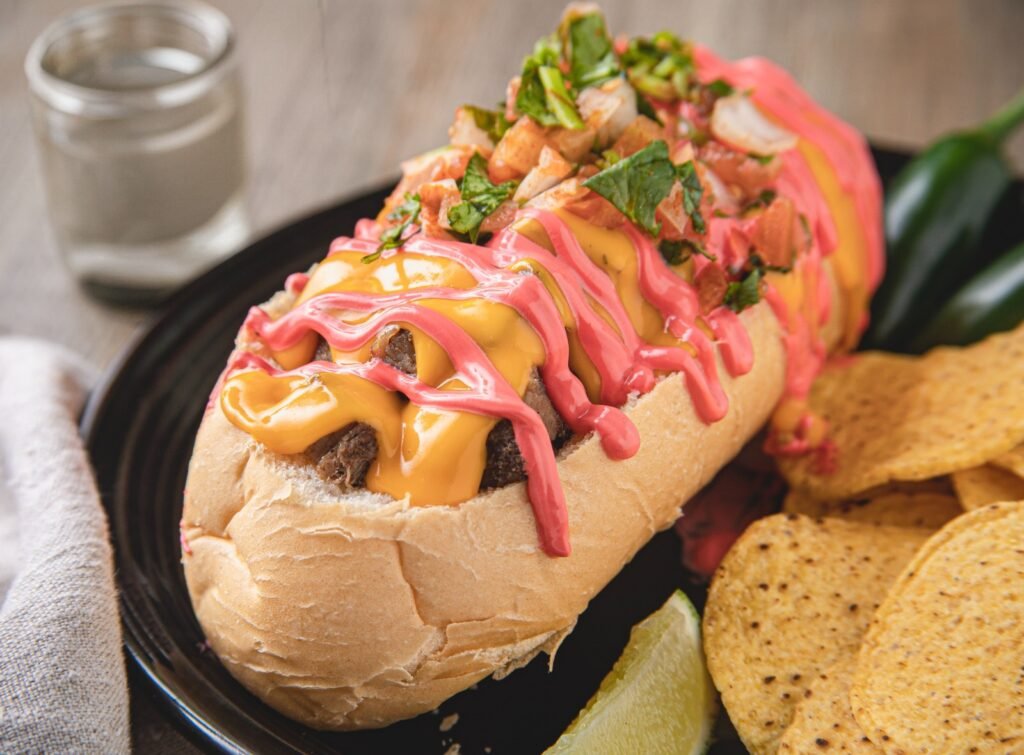
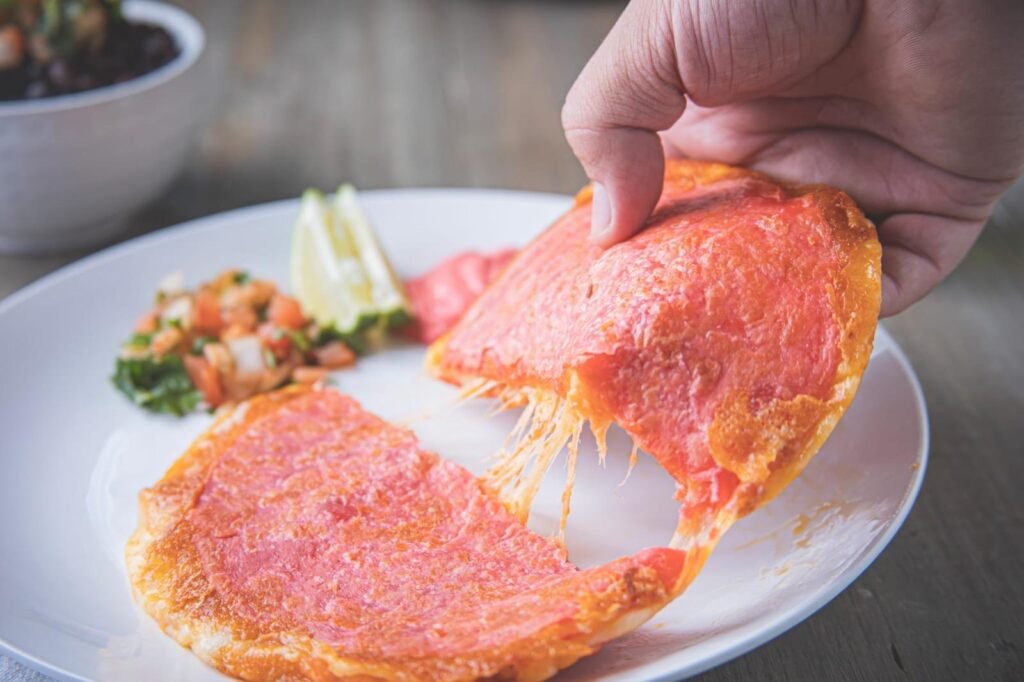
Houston’s Pink Box, a pink Tex-Mex food truck that has been in business since 2011, is owned and operated by Brittany Hindman. What began as a part time business became full time after she and her husband lost their jobs during Covid. She runs the truck full time.
Unlike Snowie Texas, Houston’s Pink Box works across a broad stretch of the Houston area. Hindman said the truck serves customers from Conroe to Bolivar Peninsula and from Columbus across the eastern side of the region. Because the truck moves through so many jurisdictions, she said the biggest challenge has been dealing with a different permit process almost everywhere she goes.
In her telling, the problem is not just the fees. It is the lack of any common system. Some cities want applications online. Others require them in person. Some require separate usernames, logins, and payment systems. Hindman said Conroe offers a simple process with a short form submitted by email and online payment. The city of Houston, she noted, has been far challenging to navigate.
She said the city requires a six-page application, a letter from the property owner or venue giving permission for the truck to be there, and now a separate fire permit for propane. That new LP permit began this year, and Hindman said it caught her off guard.
The cost was not theoretical. “I literally lost a $6,000 dollar event because of this,” Hindman said, referring to the temporary propane permit. She said the permit cost $250 dollars and had to be paid each time she pulled a temporary permit in Houston.
From her perspective, the current system has become hard to justify and she argued that the temporary inspections are not thorough enough to match the repeated expense. She added that the process often feels more like revenue collection than practical oversight.
For that reason, Hindman strongly supports the new statewide system. “I am very, very, very, happy,” she said, adding that if food truck owners had a long term goal, this would have been it.
She has already completed the new application and is waiting for the inspection. More than anything, Hindman wants the new process to be “one and done.” She said she would much rather pay one larger amount each year than keep navigating a different system in every city.
The financial difference matters too. Hindman said her new state permit cost about $1,576 up front, and she expects it to be about $1,000 dollars per year going forward. By contrast, she estimated that her permitting costs last year were around $5,000.
“It will be incredibly helpful,” Hindman said.
Just as important, she sees the law as a chance to grow and noted she would be more open to traveling more and adding another truck. In that scenario, she said, one truck could work the north side and another could stay in the south without forcing her to manage a different permit process in every place.
Still, she is not ready to declare victory yet. Hindman said the real test will come after owners have been through the full process. “As long as it’s true and we can travel all over Texas and utilize this one permit to serve to where we need to be, then absolutely I think it’ll be a positive,” she said.
Both Garay and Hindman see the statewide permit as a positive offering more freedom, less time dealing with researching and navigating one-off permits, and hopefully, they say it could mean lower annual permitting costs and a simpler path to expansion.
Both owners said they will know soon, as both have already applied to be permitted by the State of Texas under the new system. They remain hopeful and look forward to the possibility of attending new events and setting up in other jurisdictions outside the current restrictions.