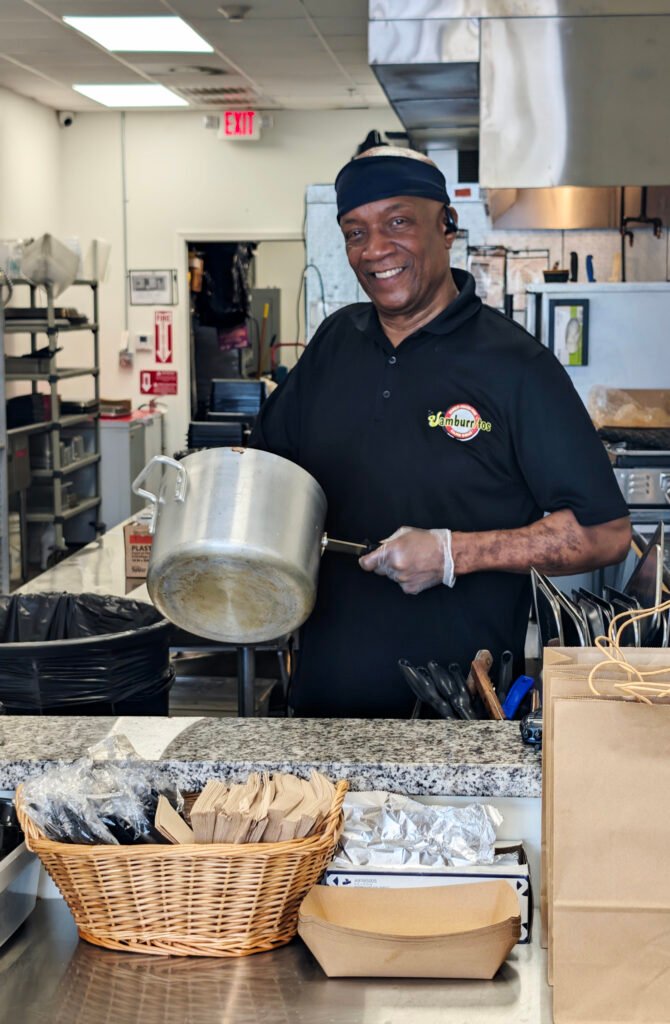
From his earliest days in the dish pit to leading kitchens and then owning restaurants, Chef Michael Brown isn’t just building a business. He’s re-defining and owning a culinary category and creating dining experiences shaped by discipline, vision, and years of earned trust.
Chef Brown still remembers the moment a restaurant kitchen first imprinted itself on his future. As a teenager washing dishes to help his mom make ends meet, he looked up one day to find he was no longer just the kid in the back. He was leading a line, trusted with the operation, and feeling something settle into place. Years later, he sees that moment as more than ambition. It was, as he puts it, a kind of conversation with God about what he was meant to do with his life.
That early sense of calling did not come out of nowhere. Brown grew up in a large family where food was both necessity and adventure. His mother cooked for a family of nine, stretching spaghetti, fried chicken, and comfort dishes to fill every plate. His father, by contrast, was a self-taught gourmet who hunted rattlesnake and alligator and turned them into meals. Between his mother’s practicality and his father’s curiosity, Brown absorbed two lessons at once: food had to feed people well, and it could also surprise them.
When his parents divorced in the mid 1970’s, Brown suddenly became more than a spectator. He stepped into the role of household cook. At the same time, his mother could not afford certain expenses, so he went out and got a job in a restaurant washing dishes.
What happened next was a quiet turning point. One day his mother stopped by the restaurant unannounced and instead of seeing her son at the sink, she saw him with an assistant, leading the kitchen. Brown recalls that moment as the instant he knew hospitality would be his career. In his teenage words, he would do this work for the rest of his life, but he “had to be the owner.” It was the beginning of a life shaped by service and a steady climb from the dish pit to running his own concept.
Brown did not just rely on natural talent or family recipes. He went to work, and he stayed at it. Through high school he carried jobs in restaurants and fast food while captaining the wrestling team and keeping up as an honor student. Those early roles gave him a foundation in customer service and operations that would become crucial later.
He took that experience with him to college, pairing work in the industry with formal education in restaurant management. That combination opened the door to positions with major hospitality brands, including Hyatt Regency where he moved into fine dining and banquets, serving celebrities like Sugar Ray Leonard. But he maintains that the real privilege was serving everyday guests well.
The deeper he went into hospitality, the clearer his long-term goal became. Brown loved the craft, but he was never content to stop at management. Even as promotions came into view, he told his director he planned to step away and open his own space. He did just that with his wife, launching a small operation at a time when food trucks and fast casual hybrids were not yet a trend. He describes that first venture as more of a hobby than a profitable business, but it was another step in understanding concepts, customers, and what it would take to build something sustainable.
Along the way, Brown’s cooking identity was pulled toward Creole and New Orleans cuisine. With a father from the South and a mother from the West Indies, he already carried a blend of Southern and Caribbean influences. When he saw a New Orleans gumbo on a magazine cover in the late 1980s, it crystallized his sense of direction. He wanted to specialize in that space where French technique, African roots, and Caribbean and Southern flavors intersect.
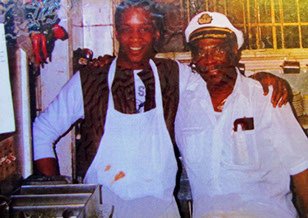
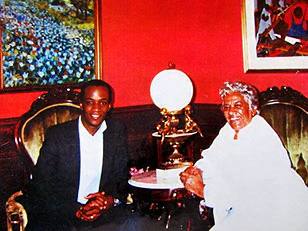
Brown and his wife made a deliberate pilgrimage to New Orleans to learn from chefs who defined that tradition. Two of them changed the trajectory of his career. The first was Chef Austin Leslie, an icon whose neighborhood restaurant was covered in New Orleans Saints memorabilia and had inspired the 1980s sitcom “Frank’s Place.” Leslie was known not just for his food but for his distinctive mustache. More importantly for Brown, he opened his kitchen and taught him how to make dishes like barbecued shrimp in a small, intimate setting. Brown still keeps a photo of himself and Leslie in his restaurant.
The second mentor was Leah Chase, often called the queen of Creole cooking and known around the world for her work at Dooky Chase’s Restaurant. Brown remembers that she gave him a hard time in the kitchen, but she also sent him away with something priceless: a jar of pure sassafras leaves from the tree in her own yard. Ground into filé powder, sassafras is a defining element in certain Creole gumbos. Brown treasured that jar for years as both a culinary tool and a symbol of being welcomed into a lineage.
Those relationships did more than refine his recipes. They sharpened his understanding of what it meant to carry a tradition forward. Brown internalized the importance of honoring classic forms while still making thoughtful changes. When he and his wife opened Michael’s Backstreet Café in 1989, he put that lesson into practice.
Michael’s Backstreet Café was a casual fine dining restaurant with full table service, long aprons, and bow ties for the servers. The average check was around twenty three dollars per person, but the experience aimed higher. Brown drew directly from what he had learned in New Orleans, especially in his treatment of jambalaya. Instead of serving it strictly in the traditional style, he reimagined it in a cast iron skillet, offered for one or two people, and dialed in the flavors to be a bit healthier and more contemporary while staying rooted in Creole technique.
The response was swift. Within a couple of years, The New York Times wrote about Michael’s Backstreet Café. Business surged until the restaurant became standing room only on weekends, with lines two weeks out and guests packed into a modest space in a low-income neighborhood. The parking lot told a different story from the immediate surroundings. Brown recalls seeing a mix of cars and customers that reflected the suburbs as much as the local blocks. His food and hospitality were drawing people across economic and geographic lines.
He and his wife leveraged that visibility into community involvement. They participated in local charity events and fundraisers, often showing up with a large pot of smoked alligator sausage and chicken gumbo. Guests would pay for entry to taste from multiple restaurants, and in return, Brown’s team brought the energy and flavors of Michael’s Backstreet Café directly to those gatherings. Those events, he notes, sent influential suburban diners back into his restaurant, filling tables and strengthening the business.
Success led to expansion. Brown opened two more locations in New Jersey, including one in Springfield, to be physically closer to the suburban customer base that had discovered him through the original restaurant. He watched as strategic location and a clear culinary signature worked together to build momentum.
Even in those years, Brown was thinking ahead. He could see a shift in how people wanted to dine. Fine dining offered high check averages but long seating times and limited throughput. He began asking a simple question: How could he serve more people, more quickly, at a more accessible price point without sacrificing quality or hospitality?
That question led Brown to study early fast-casual pioneers like as Chipotle and Baja Fresh. He paid attention not only to their menus but to their supply chains and business models. He read how Baja Fresh was acquired and how expanding companies negotiated everything from farm-level produce contracts to the cost of goods. Those case studies pushed him to think beyond recipes and into scalable systems.
Eventually, he headed west to Arizona, running a Scottsdale restaurant and continuing to refine his approach. It was there, in 2007, that the Jamburrito first took shape. Brown began experimenting with the idea of putting jambalaya into a burrito format, combining chicken, rice, and the familiar structure of a handheld wrap with the deep, layered flavors of Creole cooking. It was not a gimmick. It was an engineering challenge.
He knew that traditional jambalaya is not easy to scale for fast casual service. Rice and roux behave differently when held on a hot line, cooled, or reheated. Balancing texture, food safety, and flavor meant rethinking the dish from the ground up. Brown spent time testing how to transition a slow cooked, saucy, one-pot-meal into something that could be ordered as a burrito, bowl, taco, or plate and still deliver the right flavor experience. He studied carbohydrate loads, holding times, and how different ingredient combinations held up without breaking down or turning rubbery.
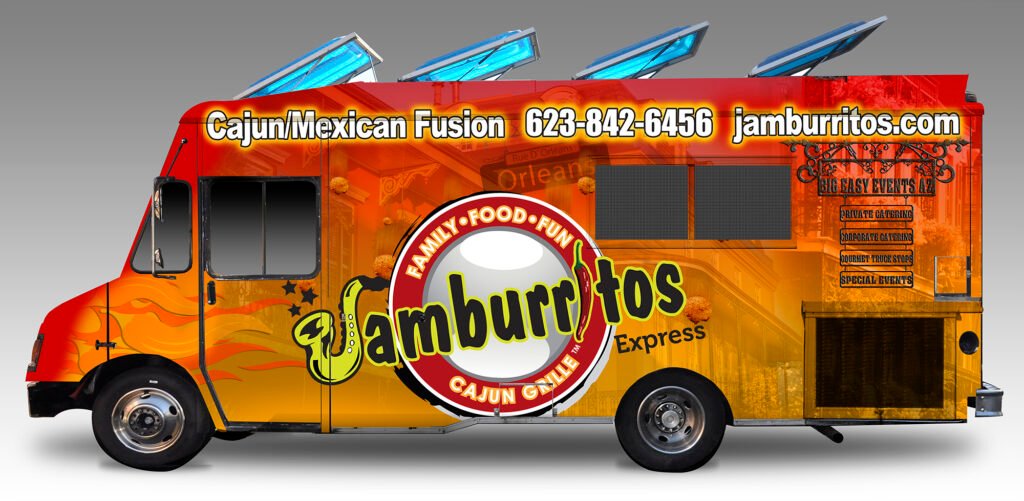
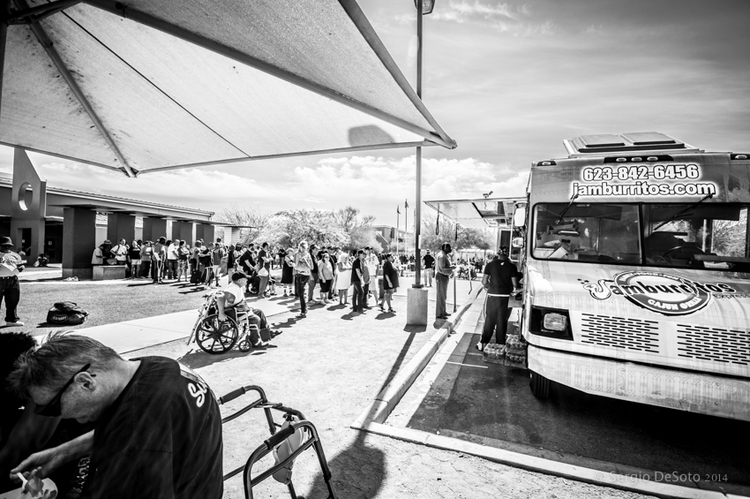
Around 2010, as food truck culture took off, Brown launched a gourmet food truck focused on his jamburritos concept. He was one of the first six gourmet trucks in the Phoenix market. Over a ten-year run, the truck earned recognition in “best of Phoenix” lists and, at one point, national attention as part of a ranking of top food trucks in the country. He saw how strong branding and a clear concept could attract both media and devoted regulars.
The Arizona market, however, had its own realities. Brown discovered that Phoenix was “more of a hot dog and barbecue city” and that there was only a single catering company focused on New Orleans flavors. The long-term growth he hoped for did not materialize the way he expected. His wife’s work had them traveling to San Antonio regularly, and together they began to pray about a move. They narrowed potential markets down to Denver or Houston. Houston won.
They sold their house in Arizona and relocated in 2020 to the Houston area, setting their sights on planting the next phase of the Jamburritos vision in Texas. Brown gave himself several years to find the right brick and mortar home.
Settling in Pearland was not the result of a demographic report pinned to a wall. Brown and his wife first pursued a build to suit opportunity in Missouri City, buying land and commissioning architectural plans before running into a bottleneck with the property owner. They then turned to the Sienna and Highway 6 area, getting close to signing a lease only to have that landlord back out as well.
It would have been easy to see those setbacks as closed doors. Brown and his wife chose to view them as protection. After one of those disappointments, they went to breakfast to regroup. On the drive back, they noticed a “for lease” sign across the street. The deal attached to that Pearland site was simply better than the other two on the table.
Brown says the marketing demographics they eventually received on Pearland, were stronger than those tied to the locations they had pursued earlier. In other words, the spot they stumbled across after breakfast was the one that made the most sense on paper.
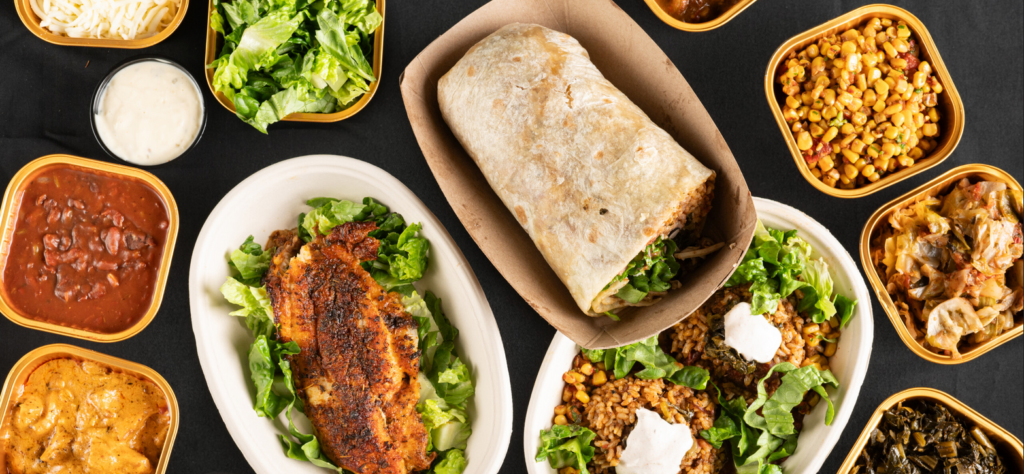
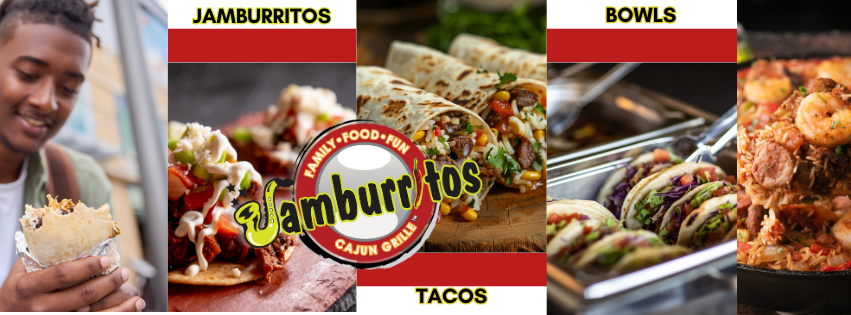
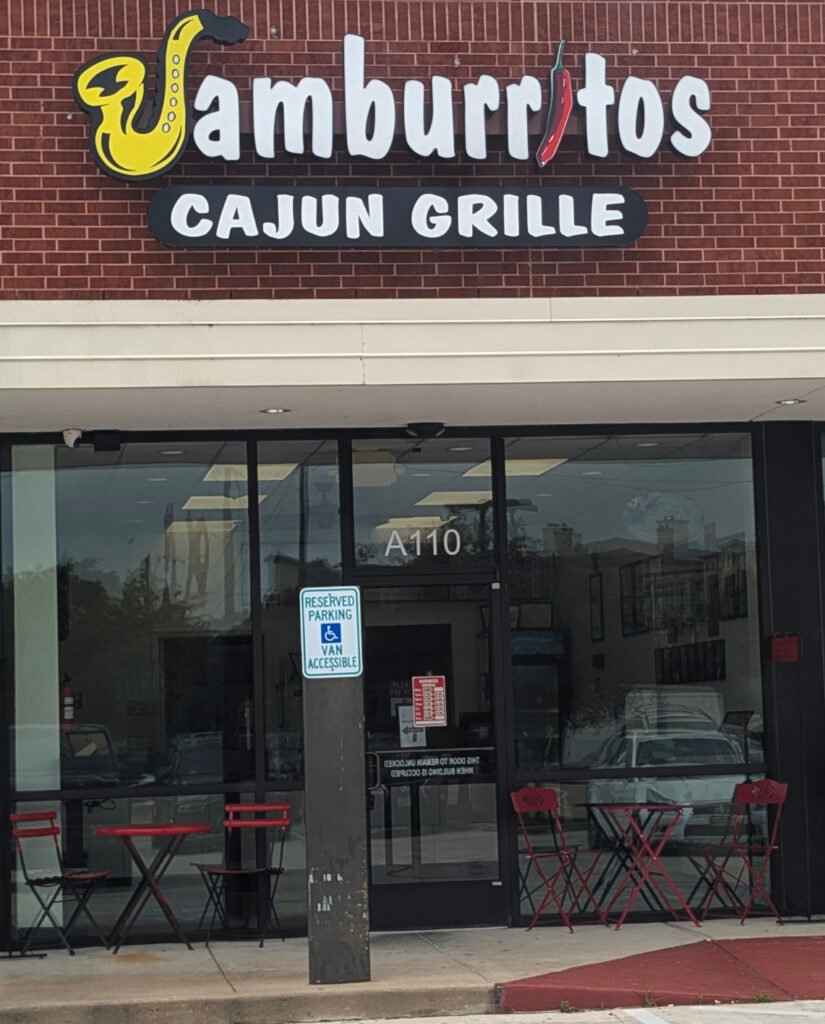
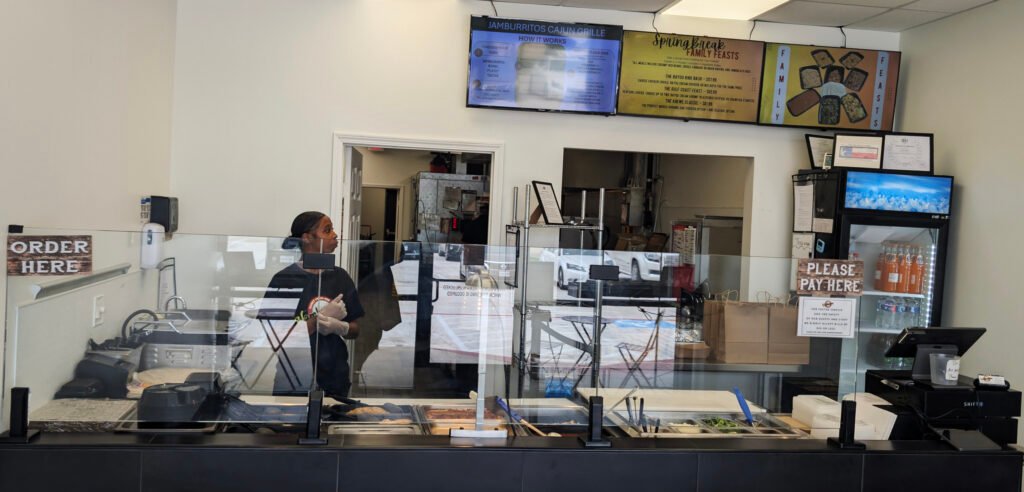
Jamburritos opened in Pearland, in early 2025. Brown describes it as a cafeteria style, fast casual setup with a very deliberate footprint. Instead of a long line like many of his past operations, he designed a more compact line that could still house a steam table, refrigeration, a point of sale station, and enough surface area to assemble burritos, bowls, tacos, and plates. Every square foot, from the 2 by 2 point of sale station to the reach in refrigerator, was accounted for in his production math.
Within that tight footprint, he still had to solve for quality. Not every dish works when held on a steam table. Brown learned that a highly acidic barbecue shrimp could not sit without the shrimp turning rubbery. He iterated, cut menu items that did not hold up, and focused on building a streamlined list of offerings that could travel across burritos, bowls, and plates without sacrificing texture or flavor.
If Jamburritos has a secret weapon, it is one Brown has been perfecting since the 1990s. Years ago, he created his own seasoning blend, which he calls Miracle Dust. Built from a mix of herbs and spices with no salt added, it is designed to deliver deep flavor without oversalting. Brown controls the salt separately so that he can season precisely across proteins, vegetables, and sauces.
The blend costs less per pound than many commercial seasonings and stands out in his kitchen for a specific reason: he can add more of it without the food becoming too salty. That allows him to hit bold flavor notes while maintaining balance. He uses it on everything from shrimp and catfish to chicken and turkey necks at home.
Brown also customizes his roux and relies on a signature brown rice, which many guests have embraced despite being accustomed to white rice in burritos elsewhere. He notes that he personally prefers brown rice for health reasons and decided to “take a shot” by making it his default. Only one customer has ever asked for white rice.
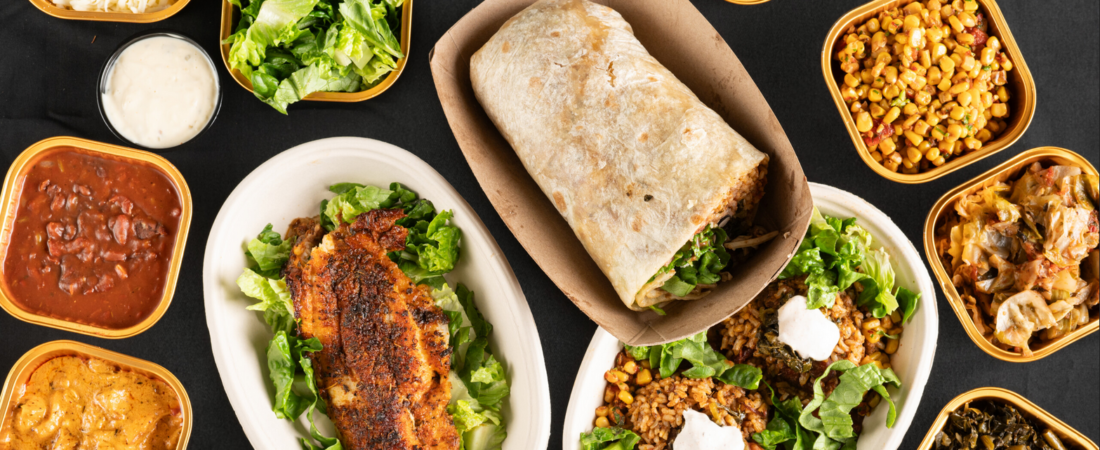
On the protein side, his blackened catfish is the standout. Traditionally, he cooked it in a cast iron skillet with plenty of butter. In Pearland, he shifted to a high roast convection oven process that lightens the fat content and frees up grill space while preserving the seared, smoky profile guests expect. Seasoned with Miracle Dust, the catfish has become his number one seller.
Across the menu, Brown insists that dishes carry the “holy trinity” of Creole aromatics: onion, bell pepper, and celery. He reinforces those notes with Italian parsley and his seasoning so that whether guests order a Jamburrito, a bowl, a taco, or a plate, they encounter recognizable Creole flavor in a modern format.
Brown continues to experiment within his framework. He points to his bayou cream shrimp as an example of a dish that is not traditional in New Orleans but fits comfortably in his Creole inspired, fast casual environment. Likewise, his take on etouffee is rooted in classic technique, and his blackened catfish nods to Paul Prudhomme, who popularized the style in Louisiana. Brown is clear that some of his methods differ from the original, but what matters to him is that the flavors snap into place the moment guests take a bite.
For transplant customers from New Orleans and the Gulf Coast, that balance between authenticity and adaptation can be a sensitive subject. Most New Orleans natives who step through the door tell him two things: it smells like home, and it tastes like home. Many of them become regulars, bringing family and friends back and affirming that his lighter, modern approach still carries the soul of the food they grew up with.
He also hears from guests who appreciate that his food is flavorful without being heavy with fat. In a world where many people are watching their health more closely, Brown sees Jamburritos as a way to offer comfort and familiarity without the overload.
But food is only half of the equation. The other half is what he calls “Xtreme Hospitality,” a phrase he has wrestled with for two decades. He worries that the term can sound corny, but it captures something fundamental about how he believes guests should be treated.
His concern is rooted in experience. Brown has watched as service standards across the industry have eroded and pop culture portrayals of restaurant work have normalized bad behavior and indifference. He has never tolerated that in his own kitchens. He tells stories of diffusing tense situations with grace, pulling out a chair for a difficult customer and wishing them a wonderful night instead of escalating.
At Jamburritos, he wants every guest to feel better when they leave than when they walked in. That means attention, warmth, and a willingness to serve that goes beyond the transaction. He talks with his team about the importance of making sure each person has at least one truly good experience, even on challenging days. That discipline keeps him focused on the guest in front of him while he continues to build toward bigger goals.
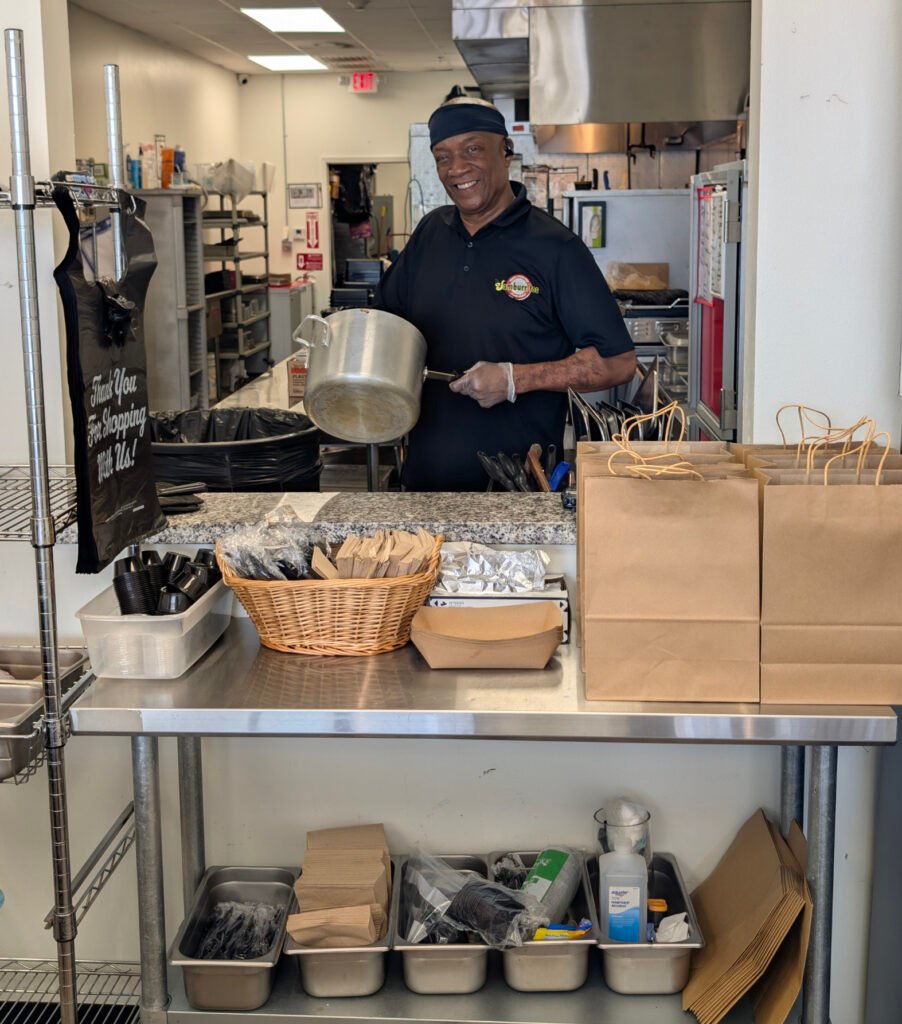
Brown is quick to note that his team is central to that culture. He sees leadership potential in every person working alongside him and imagines a future where many of them step into executive roles as the company grows. In his view, it would be a loss for both staff and guests if Jamburritos did not get the chance to expand.
When Brown talks about the future, he does not frame it in vague hopes. He has a clear timeline and a detailed plan. Over the next three to five years, he aims to open three Jamburritos units and refine the systems needed to run them profitably as a collective. Once those operations are stable, he wants to explore both corporate owned “franchises” and true franchises available to outside operators, with tight brand standards and training to protect what makes the concept distinctive.
In parallel, he intends to push Miracle Dust and related sauces into the retail market, turning them into another pillar of the business. He sees that product line as both an extension of his kitchen and a new opportunity for growth.
Underneath the business language, there are two motivations that keep coming up. The first is simple. Brown wants people to experience what Jamburritos offers: bold, carefully crafted Creole flavors in approachable formats, paired with the kind of hospitality that surprises people who have lowered their expectations for service. The second is more personal. He wants his team to grow with the company, stepping into roles that change their own lives as the brand scales.
Chef Michael Brown is still having the same quiet conversation he started as a teenager in that first dish pit: serving people, honoring his mentors, and building not just his dream, but defining and owning the space he created, and serving it up with love; one carefully seasoned plate at a time. “It would be a shame for us not to exist,” he says, speaking out of conviction about the value his restaurant brings to the table. “Everybody deserves to be treated like family, and at Jamburritos, we live ‘Xtreme Hospitality.’”
Visit Jamburritos in Pearland at: https://jamburritos.com
11710 Broadway St., Ste 110
Pearland, TX 77584
www.facebook.com/Jamburritos
www.instagram.com/jamburritoscajun